
Rising prices push families to rethink everyday spending habits
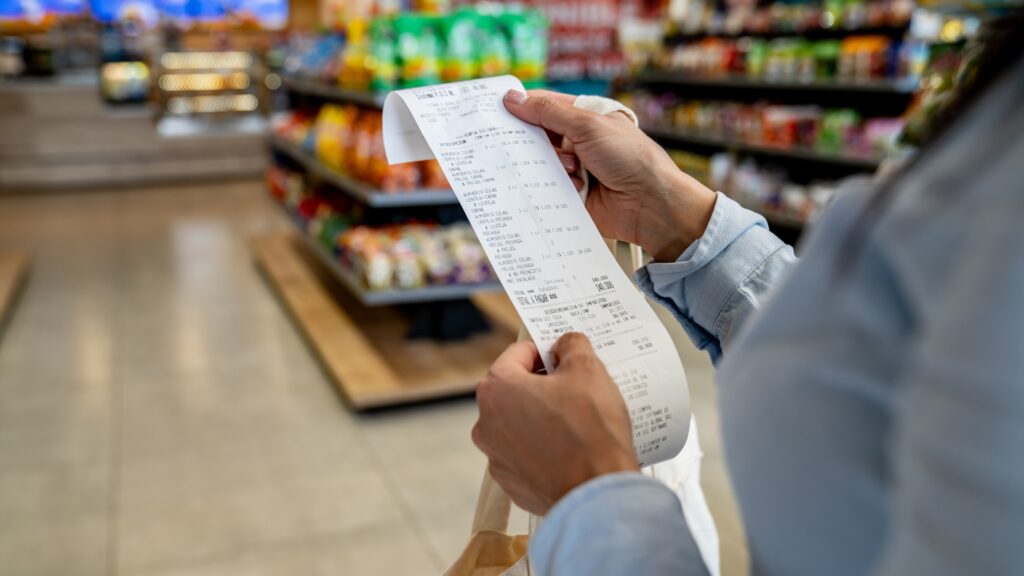
Indian households now face growing pressure as daily essentials continue to become more expensive. From milk packets and fuel bills to grocery shopping and gold purchases, families across cities and towns have started reviewing monthly budgets more carefully.
In local markets, many shoppers now compare prices before buying even routine items. Several families say they no longer fill shopping carts the way they once did. Instead, they track discounts, avoid impulse purchases and delay non-essential spending.
The latest increase in fuel, milk and commodity prices has added fresh strain on middle-class homes already dealing with school fees, rent, electricity bills and loan repayments. While expenses continue to rise steadily, salary growth has not matched the pace in many sectors.
As a result, financial experts now encourage households to focus on mindful spending instead of emotional buying.
One of the first areas under review involves food delivery. Many working families depend heavily on takeaway meals after long office hours. However, small online orders often include platform charges, delivery fees and restaurant mark-ups that quietly increase monthly expenses.
Several parents in Delhi, Mumbai and Bengaluru say they now cook more meals at home during weekdays to control spending. Some families reserve restaurant food only for weekends or special occasions.
At the same time, quick-commerce platforms have also changed spending habits. Ten-minute delivery services encourage frequent small purchases throughout the week. Individually, the amounts may appear harmless. Collectively, however, repeated convenience spending can significantly affect household budgets.
Financial planners now advise families to prepare shopping lists and buy essentials in larger planned trips instead of placing multiple emergency orders.
Clothing expenses have also entered discussions inside many homes. Social media trends and constant online sales often push people to purchase new outfits for every event or gathering. However, several consumers now prefer durable clothing over trend-driven shopping.
Retail store owners in some markets say buyers have become more selective compared to previous festive seasons. Many customers now focus on utility and long-term use rather than brand value alone.
Luxury spending has also slowed in some urban centres. Premium gadgets, handbags, watches and lifestyle products no longer attract the same spontaneous demand among cautious buyers. Financial advisers say many people now question whether expensive purchases truly offer practical value or simply satisfy social pressure.
Travel plans have changed too. Instead of costly foreign vacations, several families now choose shorter domestic trips or budget-friendly destinations. Travel operators say customers increasingly search for affordable packages and flexible spending options.
Celebrations inside homes have also become simpler. Families now organise smaller birthday parties and modest gatherings rather than expensive hotel events or large-scale functions. Many people say they prefer meaningful time with relatives over decorative displays and social media-driven celebrations.
Meanwhile, experts warn against “lifestyle inflation,” where upgraded comforts slowly become permanent habits. Frequent coffee runs, unused subscriptions and constant online shopping often drain savings without immediate notice.
Financial advisers say the current wave of inflation may ultimately encourage smarter financial behaviour. Many households now realise that financial stability depends not only on earning more but also on controlling avoidable expenses.
As prices continue climbing, Indian families appear determined to adapt quietly, carefully and practically.