RBI Chief signals possible fuel price hike if Middle East tensions continue
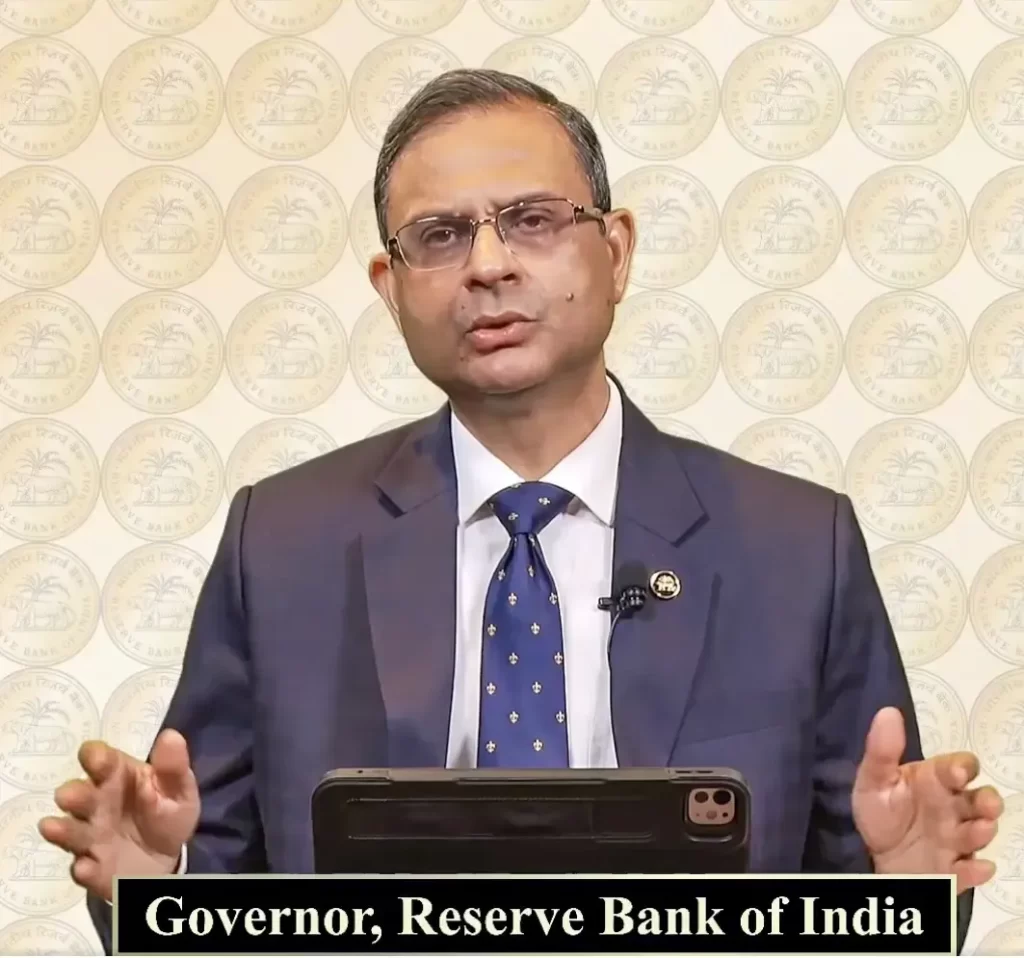
Rising tensions in the Middle East have started casting a shadow over India’s fuel economy, and the warning from Sanjay Malhotra has now brought that concern into sharper focus.
Speaking at an economic conference in Switzerland on Tuesday, the Reserve Bank of India governor said the Centre may eventually increase petrol and diesel prices if the crisis in the Middle East continues for a longer period. His remarks came as global energy markets faced growing pressure following disruptions around the Strait of Hormuz, one of the world’s most important oil transit routes.
The conflict has already tightened oil and gas supplies across international markets. As a result, crude prices have shown fresh volatility over recent weeks. India, which imports a large share of its crude oil and fertiliser requirements, now faces increasing pressure on both inflation and foreign exchange reserves.
Malhotra said the government has so far maintained fiscal discipline and avoided immediate pressure on consumers despite the global energy shock. However, he also indicated that prolonged instability could eventually force authorities to pass on higher import costs to consumers through fuel price revisions.
His comments triggered fresh discussions in financial circles and transport markets back home. Fuel station operators and transport businesses in Delhi, Mumbai and Kolkata closely tracked global crude movements on Wednesday after the RBI governor’s statement gained attention.
Several taxi drivers and commercial vehicle operators in Delhi said they already face shrinking margins due to rising operational expenses. Many fear another fuel hike could further increase transport fares and daily household costs.
At present, the Centre has not revised petrol and diesel retail prices despite continued geopolitical tensions since late February. Oil marketing companies have also avoided major changes even as international crude prices remained under pressure.
Meanwhile, the Indian rupee has weakened sharply against the US dollar and continues to trade below the 95-mark. Currency experts say higher crude prices usually widen India’s import bill and increase pressure on the rupee because the country buys most of its oil in dollars.
The government has already started signalling caution on consumption. Prime Minister Narendra Modi recently appealed to citizens to reduce unnecessary fuel use and cut edible oil consumption as part of broader austerity efforts aimed at protecting foreign exchange reserves.
Economists say the situation now depends heavily on how long the Middle East crisis lasts. A short disruption may remain manageable through existing fiscal buffers. However, a prolonged conflict could raise transportation costs, push up inflation and affect household budgets across urban and rural India.
For now, consumers continue to watch fuel stations without major changes in retail prices. Yet financial markets and policymakers increasingly believe that India may not remain insulated if the global energy crisis deepens further.