Bengal BJP govt pushes early orders on street namaz, smuggling and law and order
The new BJP government in West Bengal has started its term with strong administrative signals. Chief Minister Suvendu Adhikari moved quickly on several campaign promises, while BJP leaders now project a tougher stand on public order, illegal trade and religious gatherings on roads.
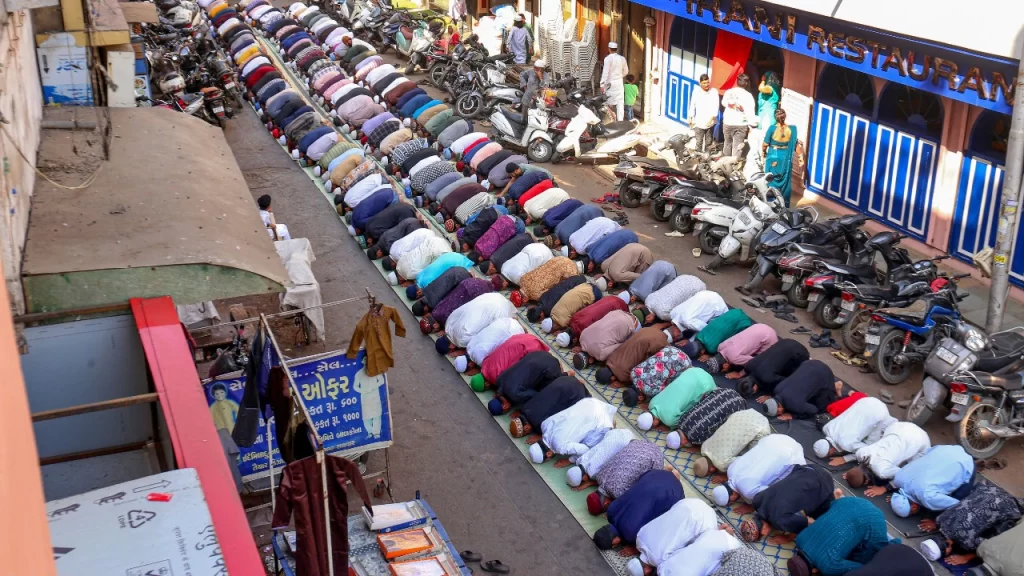
BJP MLA Arjun Singh said the government will no longer allow namaz on public roads. He spoke about the decision while outlining the cabinet’s early priorities. According to him, the administration wants prayers to remain inside mosques and designated religious spaces instead of busy streets.
He also referred to Kolkata’s Red Road, which often turns into the centre of debate during Eid gatherings. Singh said authorities would stop such large roadside congregations in the future and would rely on court directions while enforcing the move.
The statement has already triggered sharp political discussion across the state. On one side, BJP supporters call the step an attempt to maintain traffic movement and public discipline. On the other side, opposition parties accuse the government of targeting minorities soon after taking power.
The debate carries fresh weight because Red Road witnessed controversy last year during Eid al-Adha prayers. Initially, the Army refused permission for prayers on the stretch near Fort William because military activities took priority there. Later, officials adjusted schedules and allowed the gathering after discussions. That episode had already pushed the issue into Bengal’s political spotlight months before the election campaign intensified.
Now, the BJP government appears determined to convert campaign rhetoric into administrative action.
Along with restrictions on roadside namaz, the government has also launched a fresh crackdown on cattle smuggling. The BJP repeatedly raised the issue during rallies and accused previous administrations of allowing organised smuggling networks to flourish in border districts.
Police officers have now received instructions to shut unauthorised cattle markets immediately. Authorities have also increased surveillance in sensitive border regions where smuggling routes allegedly operate. Senior officials want district police units to identify illegal transport channels and act against those involved.
Arjun Singh said the administration would not spare smugglers under the new regime. He also warned against stone-pelting incidents and promised strict action against anyone involved in violence.
The political backdrop behind these announcements remains significant. Over the past few years, central agencies investigated several high-profile cattle smuggling cases in Bengal. Investigators questioned and arrested multiple accused figures during those probes. The controversy grew further after agencies examined alleged links between smugglers and influential political leaders, including Anubrata Mondal.
At the ground level, reactions remain mixed. In border belts and trading pockets, some residents say stricter policing may reduce illegal activity and improve security. However, others fear aggressive enforcement could hurt small transport workers and local cattle traders who depend on daily movement for income.
Meanwhile, in Kolkata and nearby urban areas, discussions around roadside namaz have started dominating tea stalls, markets and local political offices. Many residents support uninterrupted traffic flow on major roads. Yet several community voices argue that the administration should balance law enforcement with religious sensitivity.
Political observers believe these opening moves reveal the BJP government’s broader strategy. The leadership wants to show quick action on issues that shaped its election campaign. As a result, law and order, border control and public religious practices may remain at the centre of Bengal’s political debate in the coming months.
For now, the government’s early decisions have ensured one thing clearly — Bengal’s political climate has entered a sharper and more confrontational phase.