Nashik BPO wase Widens: 9 FIRs, 8 arrests, family counters police claims
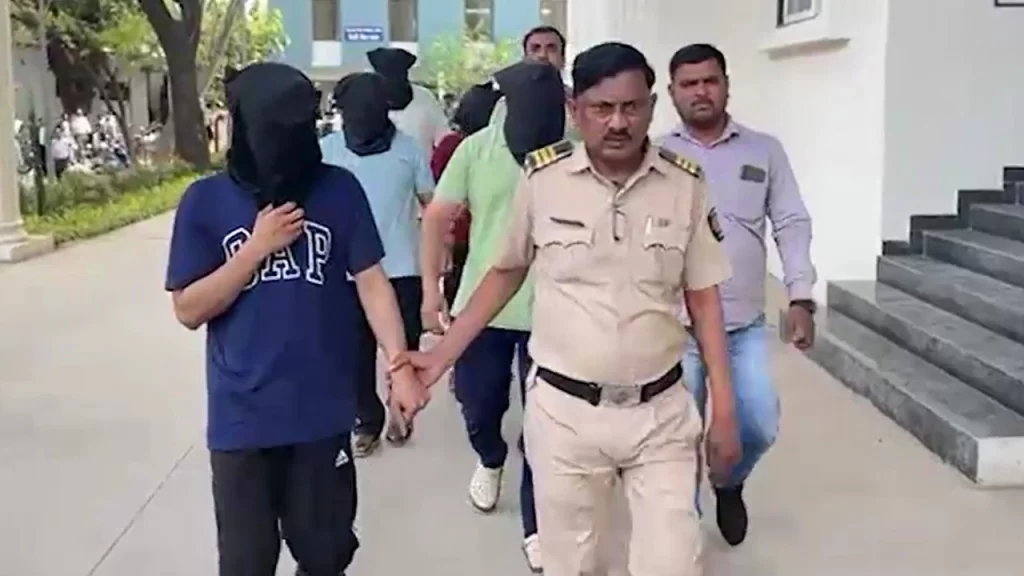
A major case shakes Nashik’s industrial belt. Police register nine FIRs and arrest eight employees linked to a BPO unit associated with Tata Consultancy Services. The accused include seven men and one woman in a managerial role. Investigators flag allegations of sexual abuse, coercion, and organised misconduct inside the workplace.
Police outline how the case unfolds. Officers receive a tip in early February. Soon after, they launch a covert operation. Six women officers join the BPO as staff and stay undercover for 40 days. They track daily activity, attend meetings, and gather evidence. Their findings support initial complaints and push the case forward.
The first complaint sets the process in motion. A 23-year-old employee approaches the Devlali police station on March 26. She accuses a senior colleague of rape under the promise of marriage. After this, more employees step forward. In total, eight additional complainants report sexual, mental, and religious harassment. Police commissioner Sandeep Karnik says the accused act like an organised group and misuse authority over juniors.
Meanwhile, the probe brings focus on Nida Khan. Police describe her as a key figure in alleged religious coercion. However, her family rejects this claim. They say she stays in Mumbai and prepares for childbirth. They also deny any role in a larger network. According to them, she works as a tele-caller, not in HR, and social media mislabels her position. Her legal team now moves court for anticipatory bail.
At the ground level, tension rises. Workers express fear and anger. Some claim seniors ignored complaints and discouraged formal reporting. In one instance, a victim alleges that a superior dismissed her concerns as routine. This response raises serious questions about internal safeguards at the workplace.
Further, the investigation expands beyond abuse claims. Complainants allege pressure to change religious beliefs. Police also examine chats that mention overseas job offers. A possible foreign link emerges, prompting deeper scrutiny. Agencies like the National Investigation Agency and state intelligence units step in to assist the probe.
At the same time, the company reacts. TCS removes seven of the arrested employees and orders an internal inquiry. Chairman N Chandrasekaran calls the allegations serious and disturbing. However, questions remain over why the Internal Complaints Committee fails to attract victims earlier.
The case reaches national forums. A petition moves the Supreme Court of India seeking broader scrutiny. The National Commission for Women also forms a fact-finding panel. As multiple agencies dig deeper, the investigation now focuses on accountability, victim support, and systemic reform.