Trump targets China with tariff threat, then pushes oil pitch amid Iran tensions
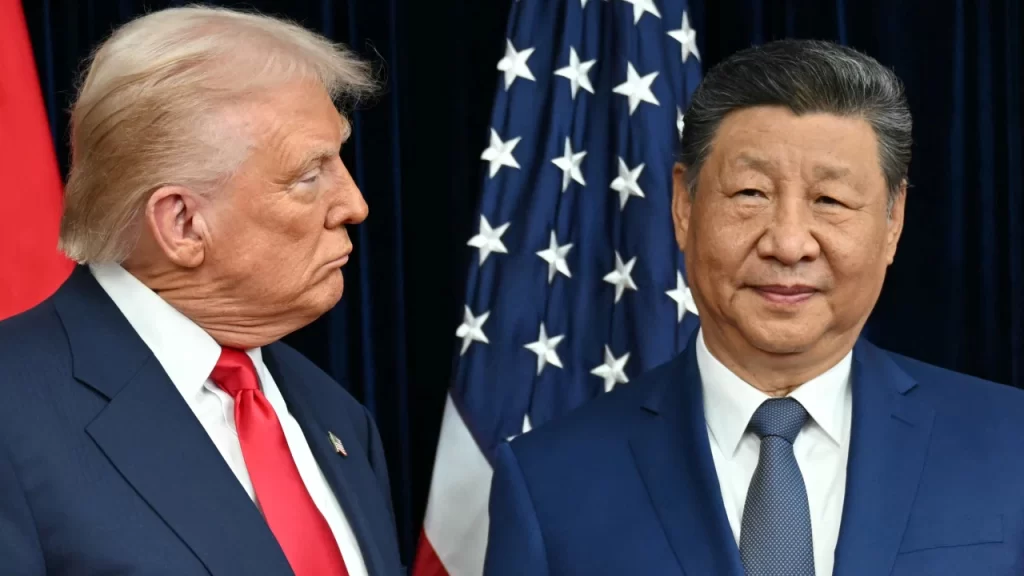
Geopolitics and trade collide as Donald Trump sharpens his stance on China. The US President signals tough economic action while also opening an unexpected energy offer. The move comes as tensions with Iran continue to shape global strategy.
First, Trump issues a clear warning. He says any country that supplies weapons to Iran will face steep penalties. He specifically includes China in that warning. He threatens a 50% tariff on imports if Beijing provides military support.
This statement raises the stakes in an already tense geopolitical environment.
At the same time, reports trigger the warning. Intelligence inputs suggest that China may consider sending air defence systems to Iran. These systems include portable missile units designed to target aircraft. However, China denies these claims and calls them inaccurate. Still, the possibility fuels suspicion and diplomatic friction.
Meanwhile, Trump adopts a mixed approach. On one hand, he questions the reports and says he doubts China would take such a step. On the other, he keeps the tariff threat firm. This dual stance reflects both caution and pressure. It also signals that Washington wants to deter any military cooperation with Tehran.
Then, the focus shifts to energy. Trump pitches an alternative path for China. He invites Beijing to buy oil from the United States or even from Venezuela instead of relying on Iran.
He highlights surplus capacity and promises competitive pricing. This offer links trade strategy with energy diplomacy.
On the ground, this approach creates ripple effects. Energy markets watch closely as tensions rise near key supply routes. The Strait of Hormuz remains a critical chokepoint for global oil flows. Any disruption here impacts prices and supply chains worldwide.
In the background, trade tensions between the US and China already run deep. Tariffs and restrictions have shaped their relationship for years. Trump’s latest threat adds another layer to this ongoing rivalry. At the same time, his oil offer suggests an attempt to reshape trade flows in America’s favour.
Further, China plays a complex role in the region. It maintains strong economic ties with Iran and relies on stable energy supplies. Reports also indicate that Beijing has engaged in backchannel diplomacy to ease tensions. However, it avoids direct confrontation in public statements.
Back in Washington, policymakers weigh multiple priorities. They aim to contain Iran, pressure China, and stabilise energy markets. These overlapping goals create a delicate balance. Any misstep could escalate tensions further.
Looking ahead, the situation remains fluid. Trump plans a visit to Beijing soon, which could open space for dialogue. However, the tariff threat hangs over the talks like a warning signal.
For now, the message stays clear. The US signals economic consequences for military support to Iran, while also offering an energy alternative. This mix of pressure and incentive defines the next phase of global power play.