Oil shock hits Dalal Street: Sensex crashes 1,600 points as global tensions rattle markets
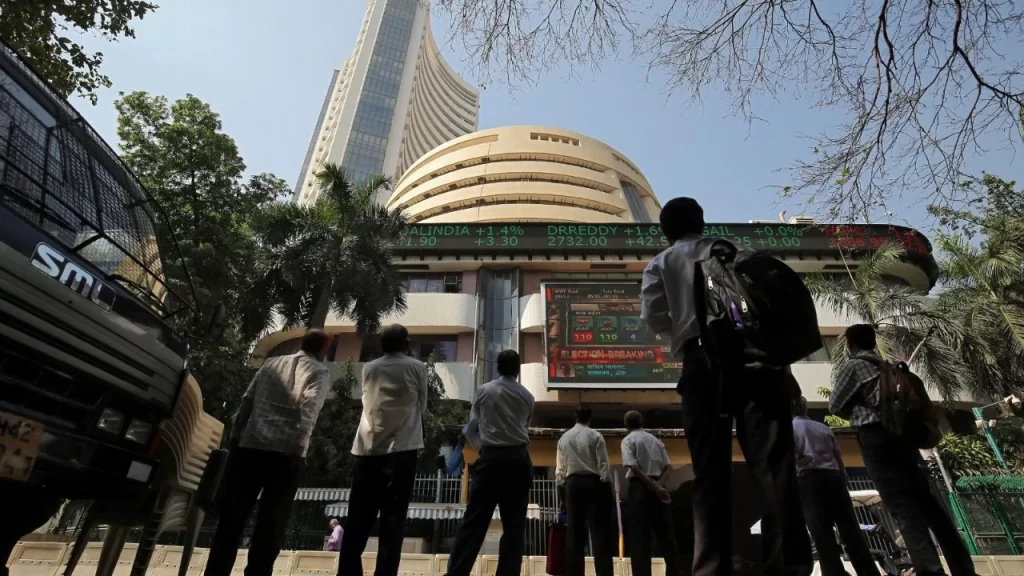
Mumbai wakes up to a sharp market shock. Equity benchmarks open deep in the red as global cues turn negative. The BSE Sensex falls over 1,600 points at the opening bell. At the same time, the Nifty 50 drops करीब 2%, reflecting broad-based selling across sectors.
First, crude oil drives the decline. Prices jump above $100 per barrel after talks between the United States and Iran fail to move forward. This breakdown in negotiations shakes investor confidence. As a result, traders rush to cut risky positions early in the session.
Next, geopolitical tension adds pressure. Donald Trump announces a naval blockade in the Strait of Hormuz. This route handles a major share of global oil supply. Therefore, any disruption here raises fears of supply shocks. Brent crude reacts instantly and jumps nearly 7% to around $102 per barrel.
Consequently, banking and midcap stocks see heavy selling. The Nifty Bank index slides over 2%. Meanwhile, the Nifty Midcap 100 also falls sharply. Investors shift money toward safer assets as uncertainty grows.
However, last week told a different story. Both benchmarks rallied करीब 6% and logged their strongest weekly gain in over five years. That rally followed hopes of a ceasefire between the US and Iran. Yet, fresh developments now reverse that sentiment. Markets quickly adjust to the new risk environment.
On the ground, brokers report panic selling in early trades. Retail investors track global headlines closely and hesitate to add fresh positions. Dealers note higher volatility across sectors. Energy stocks show mixed trends, while rate-sensitive sectors like banking take a hit.
Meanwhile, foreign investors continue to pull out funds. Foreign portfolio investors sell over $5 billion worth of Indian equities so far in April. This follows record outflows in March. Such sustained selling adds pressure on benchmark indices.
In contrast, domestic investors offer some support. Equity mutual funds attract strong inflows, touching an eight-month high in March. This steady domestic participation helps cushion deeper losses. Even then, global triggers dominate today’s market direction.
Looking at the broader trend, both the Sensex and Nifty have already lost around 4.5% since tensions in the Middle East escalated. Rising oil prices increase inflation risks for India, which depends heavily on imports. Higher inflation can limit policy flexibility and slow growth expectations.
Experts now advise caution. Market participants prefer a wait-and-watch approach until clarity emerges on the geopolitical front. Any further escalation in the Strait of Hormuz could trigger fresh volatility.
For now, Dalal Street reacts swiftly to global signals. The sharp fall highlights how external shocks continue to influence domestic markets. The next move will depend on oil prices, diplomatic progress, and investor confidence in the days ahead.