Diplomatic rift deepens as Pakistan Minister Khawaja Asif backtracks ahead of crucial talks
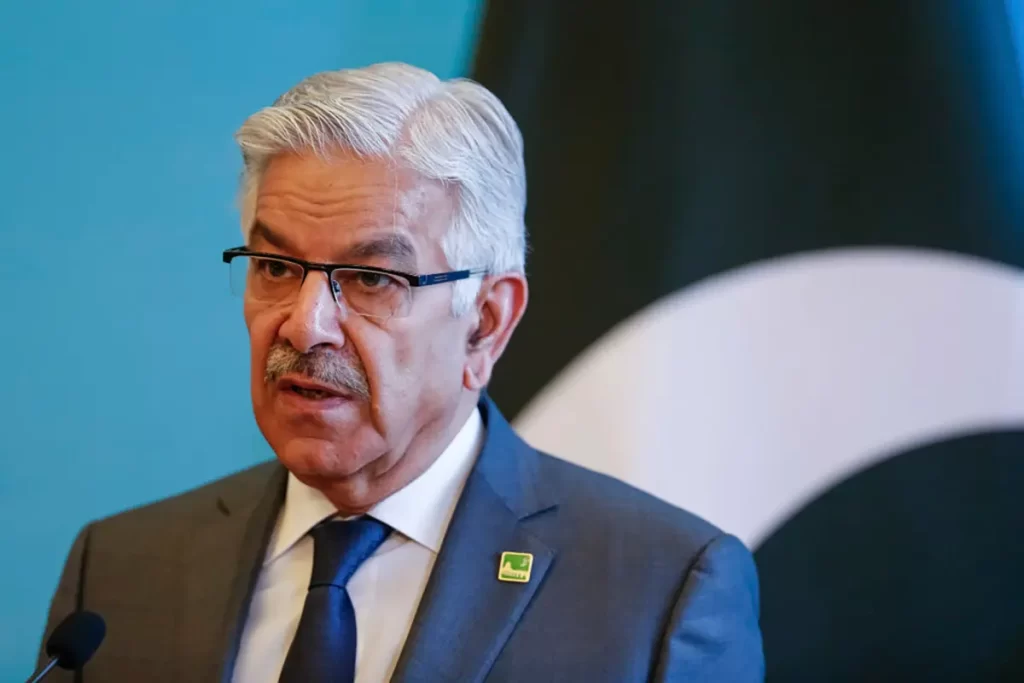
A sharp diplomatic clash unfolds between Pakistan and Israel just days before high-stakes US-Iran talks in Islamabad. The row begins after Pakistan’s Defence Minister Khawaja Asif posts strong remarks against Israel. Soon after, Israel responds firmly and questions Pakistan’s neutrality. As pressure builds, Asif deletes his post, but the controversy refuses to fade.
To begin with, Asif uses harsh language on social media and accuses Israel of violence in Lebanon. He labels Israel as “evil” and calls it a threat to humanity. He also alleges large-scale civilian killings across Gaza, Iran, and Lebanon. These remarks quickly draw global attention and trigger a strong reaction from Israel.
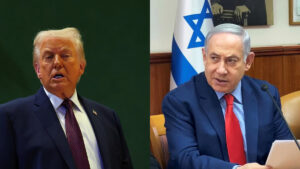
In response, the office of Israeli Prime Minister Benjamin Netanyahu issues a sharp statement. It calls Asif’s comments “outrageous” and rejects any suggestion of Israel’s destruction. Moreover, it questions how Pakistan can act as a neutral mediator while making such statements. This response raises diplomatic stakes and shifts focus to Islamabad’s role in upcoming peace efforts.
Meanwhile, Israel’s Foreign Minister Gideon Sa’ar intensifies the criticism. He labels the remarks as antisemitic and warns against rhetoric that threatens Israel’s existence. He also stresses that Israel will continue to defend itself. As a result, the situation escalates beyond a simple social media exchange.
Shortly after the backlash, Asif deletes his post. However, the timing adds another layer to the controversy. The move comes just before Islamabad prepares to host sensitive discussions linked to the US-Iran ceasefire. Consequently, questions grow over Pakistan’s credibility as a neutral facilitator.
From the ground, officials and observers in Islamabad express concern. Diplomatic circles note that Pakistan has tried to position itself as a bridge in the West Asia conflict. In fact, reports suggest that Pakistan helped facilitate a temporary ceasefire between the US and Iran. At the same time, regional players, including Lebanon, have reached out for support in easing tensions.
However, this fresh controversy complicates those efforts. Analysts point out that mediation demands balanced messaging and restraint. When senior officials make strong public statements, it weakens trust among stakeholders. Therefore, Pakistan now faces the challenge of restoring confidence before talks begin.
At the same time, tensions between the US and Iran continue to rise. The fragile ceasefire shows early signs of stress, especially around oil shipments through the Strait of Hormuz. US President Donald Trump openly criticizes Iran for failing to ensure smooth passage of ships. He signals dissatisfaction and hints at further action.
On the ground, shipping activity remains far below normal levels. Only a handful of vessels pass through the strait within the first 24 hours of the ceasefire. This slowdown raises concerns in global energy markets, as the route carries a significant share of the world’s oil supply.
In the background, the broader West Asia conflict continues to shape these developments. Ongoing tensions involving Israel, Iran, and Lebanon create a volatile environment. As a result, every diplomatic move carries higher risks and wider consequences.
Pakistan now stands at a critical juncture. It aims to lead peace efforts, yet faces scrutiny over its stance. Israel’s strong response and the evolving US-Iran dynamics add further pressure. As talks approach, all eyes remain on Islamabad and its ability to manage both diplomacy and perception.