
Gold turns volatile as Middle East tensions rise, investors track sharp swings
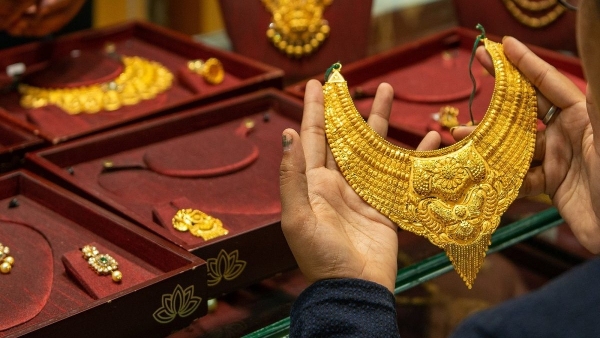
Gold prices show fresh volatility across India. Global tensions trigger sudden moves in bullion markets. Prices slip even as uncertainty rises. At the same time, silver also follows the downward trend.
Meanwhile, fresh strikes by Israel Defense Forces in Lebanon shake fragile peace efforts. These attacks target positions linked to Hezbollah. As a result, geopolitical risks spike again. Markets react quickly to this shift.
Soon after, investors reassess their positions. Gold, which usually acts as a safe haven, shows mixed signals. On one hand, fear supports demand. On the other hand, a stronger dollar pulls prices down. This push-and-pull creates sharp intraday swings.
On the ground, traders stay cautious. In major cities like Mumbai, buyers slow down purchases. Jewellers report weaker footfall. Many customers wait for price stability. At the same time, wedding demand offers limited support.
According to market data, gold trades lower on the Multi Commodity Exchange. Silver also drops significantly. However, physical market rates vary across cities. Local taxes and making charges influence final prices. As a result, retail buyers see slight differences in rates.
Then, another factor adds pressure. Iran reacts strongly to regional developments. It moves to shut the Strait of Hormuz again. This route carries a large share of global oil supply. Any disruption here raises global concerns. Energy markets react instantly. Consequently, inflation fears return.
In response, the United States pushes for stability. It urges all sides to keep trade routes open. It also tries to keep diplomatic talks alive. However, continued strikes weaken confidence in a quick resolution.
At the same time, the scale of violence increases. Reports indicate heavy casualties in Beirut after fresh strikes. This escalation deepens uncertainty. Markets factor in the risk of a prolonged conflict.
Looking at the broader trend, gold records a sharp monthly decline. Prices fall over 14 percent this month. This marks the steepest drop since the global financial crisis period. A strong US dollar drives much of this fall. As the dollar gains strength, gold becomes costlier for global buyers. This reduces demand.
Back home, multiple factors shape gold prices daily. International rates set the base trend. Import duties and taxes adjust local prices. Currency movements, especially the rupee against the dollar, also play a key role. Together, these elements decide final retail rates.
Despite short-term weakness, gold retains its cultural and financial importance in India. Families continue to buy gold for weddings and festivals. Investors also use it as a hedge during uncertain times.
For now, markets remain highly sensitive. Traders watch every geopolitical update. Even small developments trigger sharp reactions. As tensions evolve, gold may continue to swing. Stability will depend on both global diplomacy and currency trends.