From conflict to growth: Bastar roadmap pushes education, tourism after maoist decline
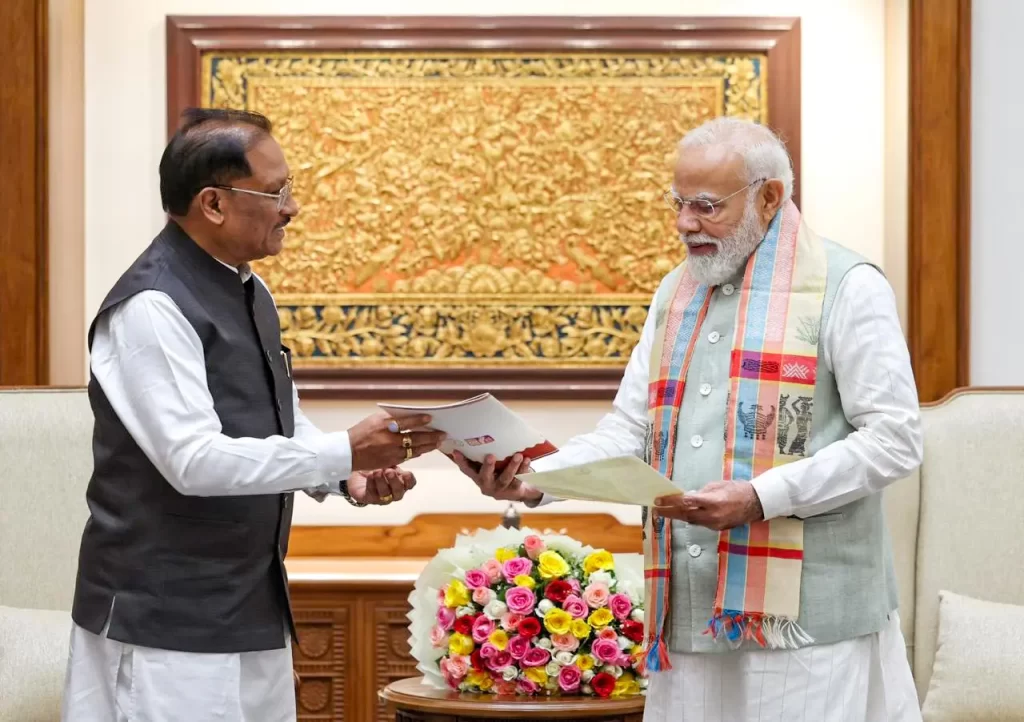
Chhattisgarh has moved to rewrite the story of Bastar. Chief Minister Vishnu Deo Sai met Prime Minister Narendra Modi on Tuesday and presented a detailed development roadmap. The plan focuses on education hubs, healthcare expansion, irrigation, and eco-tourism across the region.
First, the proposal targets areas once known for intense Maoist activity. Districts like Sukma, Dantewada, and Bijapur formed the core of the insurgency for decades. However, the security situation has changed in recent years. Union Home Minister Amit Shah recently told Parliament that the campaign against Left-wing extremism has achieved its targets. He cited thousands of surrenders, arrests, and neutralisations over the past three years.
As a result, the state now plans to shift focus from security to development. The roadmap outlines two major education hubs in Jagargunda in Sukma and Geedam in Dantewada. These locations once witnessed deadly attacks on security forces. Now, the government wants to turn them into centres of learning. Officials believe this shift will create long-term stability.
In addition, the plan includes a new medical college in Geedam. For years, locals struggled with poor healthcare access. Maoist groups blocked infrastructure projects and restricted movement. Now, authorities aim to fill those gaps and improve public services. This step could reduce the need for long-distance travel for treatment.
Meanwhile, irrigation projects form another key pillar. The government plans to build two barrages on the Indravati River. This river cuts through Bastar and nearby regions. Earlier, Maoist groups used it as a natural barrier, especially during monsoon months. Security forces faced difficulty crossing it. Now, officials see an opportunity to convert that challenge into an asset for agriculture and water management.
On the ground, the shift has started to show. Security camps have expanded into previously inaccessible villages. For example, Puvarti in Sukma remained out of bounds for decades. Authorities established a camp there only in 2024. Earlier, insurgents used the area to plan attacks. Today, officials talk about roads, schools, and tourism in the same region.
Tourism now stands as a major focus. The roadmap proposes eco-tourism and adventure activities in Bastar’s forests. Plans include canopy walks and even a glass bridge to attract visitors. Officials believe that improved security will draw tourists and create local jobs. However, teams must first clear landmines from interior areas. Security forces have already started demining operations.
Looking at the background, Bastar once formed a key part of India’s “Red Corridor.” Years of violence slowed development and isolated communities. Now, the government wants to reverse that trend with infrastructure and investment.
In conclusion, Bastar stands at a turning point. The administration aims to replace conflict with opportunity. If execution matches intent, the region could shift from a security hotspot to a growth hub in the coming years.