Trump pushes Hormuz reopening as fragile ceasefire reshapes West Asia tensions
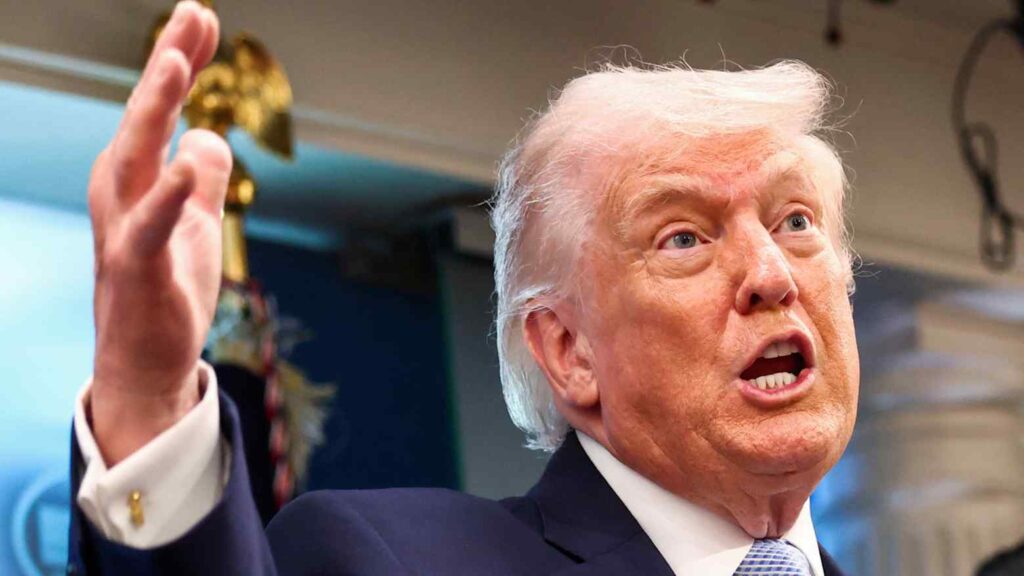
US President Donald Trump signalled a strategic shift on Wednesday. He said Washington will help clear maritime congestion in the Strait of Hormuz. He also stressed economic gains. “Big money will be made,” he wrote, hours after announcing a ceasefire with Iran.
First, the ceasefire changed the immediate trajectory of the conflict. The United States and Iran locked in a two-week pause late Tuesday. They sealed the deal just before a US deadline to strike Iran expired. As part of the arrangement, Tehran agreed to reopen the Strait of Hormuz for a limited window. This route handles a major share of global oil shipments. So, any disruption quickly shakes energy markets.
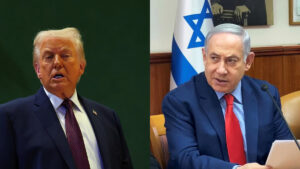
Meanwhile, the White House confirmed a broader alignment. It said Israel also agreed to the ceasefire terms. However, ground signals told a more complex story. A military official indicated that Israeli strikes on Iran continued despite the announcement. This gap between diplomacy and action added uncertainty on the ground.
At the same time, regional diplomacy picked up pace. Pakistan stepped in as a mediator. Prime Minister Shehbaz Sharif confirmed that Islamabad will host fresh talks. He said delegations from Washington and Tehran will meet on Friday. These talks aim to move beyond a temporary pause and secure a lasting agreement. Earlier, Trump also acknowledged outreach from Pakistan’s leadership, which pushed for de-escalation.
On the Iranian side, officials framed the ceasefire as a tactical win. They agreed to negotiations but avoided signalling a full climbdown. Iran’s Supreme Leader Mojtaba Khamenei issued clear instructions. He ordered all military units to stop firing. Yet, he warned that the conflict had not ended. This dual message reflected caution within Tehran’s leadership.
Across the region, allied groups responded quickly. The Islamic Resistance in Iraq announced a two-week halt in operations. This coalition of Iran-backed factions operates across Iraq and nearby areas. Their decision aligned with Tehran’s broader pause. As a result, violence dipped across several flashpoints, at least for now.
On the ground, the impact showed in both markets and movement. Shipping activity near the Strait of Hormuz began to stabilise. Traders tracked vessel queues and insurance costs closely. Energy analysts noted early signs of easing pressure. However, they also warned that any violation of the ceasefire could reverse gains within hours.
The background explains the urgency. The Strait of Hormuz serves as a critical artery for global oil flow. Even brief disruptions send prices higher and strain supply chains. In recent weeks, rising tensions between the US and Iran had already pushed the region to the brink. Military alerts increased. Diplomatic channels remained active but fragile.
Now, the ceasefire offers a narrow window. It reduces immediate risk but leaves core issues unresolved. Washington seeks stability and secure trade routes. Tehran wants sanctions relief and strategic leverage. Israel remains wary of Iran’s military posture. These competing goals continue to shape the conflict.
For now, Trump’s focus on reopening the Strait signals a mix of economic and strategic priorities. The coming talks in Islamabad will test whether this pause can turn into a durable settlement. Until then, the region holds its breath as diplomacy and ground realities move on parallel tracks.