
Gold extends losses as Iran tensions lift inflation fears, delay rate cut hopes
New Delhi/Singapore – Gold prices fall for the third straight day. Traders react quickly as geopolitical tensions rise. Investors track inflation risks and interest rate signals ahead of a key deadline set by Donald Trump on Iran.
In Asian trade, spot gold slips around 0.5% and trades near $4,628 per ounce. Meanwhile, U.S. gold futures drop nearly 0.7%. Prices had already closed lower in the previous session. However, this time, the pressure comes from a mix of global factors.
First, tensions in the Middle East push oil prices higher. Trump warns of strong action if Iran does not reopen the Strait of Hormuz by his deadline. As a result, energy markets react sharply.
Higher oil prices quickly raise inflation concerns. Investors now expect central banks to stay cautious. This shift changes the outlook for gold.
Usually, investors buy gold during geopolitical crises. However, this time the trend shifts. Rising inflation fears reduce hopes of quick rate cuts by the U.S. Federal Reserve.
As expectations change, bond yields strengthen. At the same time, the U.S. dollar gains ground. Both factors reduce the appeal of gold, which does not offer interest returns.
Market participants now focus less on safe-haven demand and more on monetary policy signals. This shift keeps gold under pressure.
Meanwhile, diplomatic talks fail to ease tensions. Iran rejects a U.S.-backed ceasefire plan. It demands broader concessions, including sanctions relief and security guarantees.
This standoff adds uncertainty across markets. Traders keep a close watch on developments around the deadline. Any escalation could trigger fresh volatility.
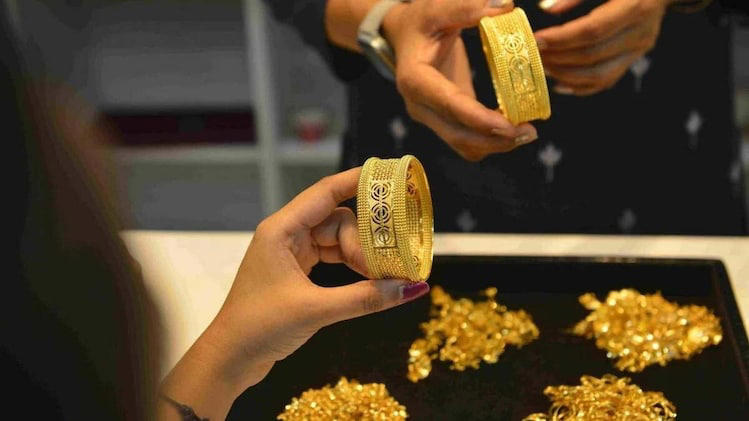
On the ground, bullion dealers in major Asian markets report slower buying. Retail customers delay purchases due to high prices and volatility. Some investors shift funds into short-term assets.
Jewellers also adopt a cautious stance. They limit fresh inventory and wait for clearer price direction. As a result, physical demand stays muted despite the wedding season in some regions.
The weakness spreads across precious metals. Silver falls over 1%, while platinum drops more than 1%. This broader decline reflects a cautious market mood.
Now, investors turn their focus to upcoming U.S. inflation data. The data could shape the next move by the Federal Reserve. If inflation stays high, rate cuts may face delays.
For now, gold moves in a narrow but downward trend. Traders balance geopolitical risks against economic signals. The next trigger will likely come from policy cues or any shift in the Iran situation.
In short, rising tensions no longer lift gold. Instead, inflation fears and rate outlook now drive the market direction.