Trump bats for stronger India ties, calls Modi ‘results-oriented’ leader
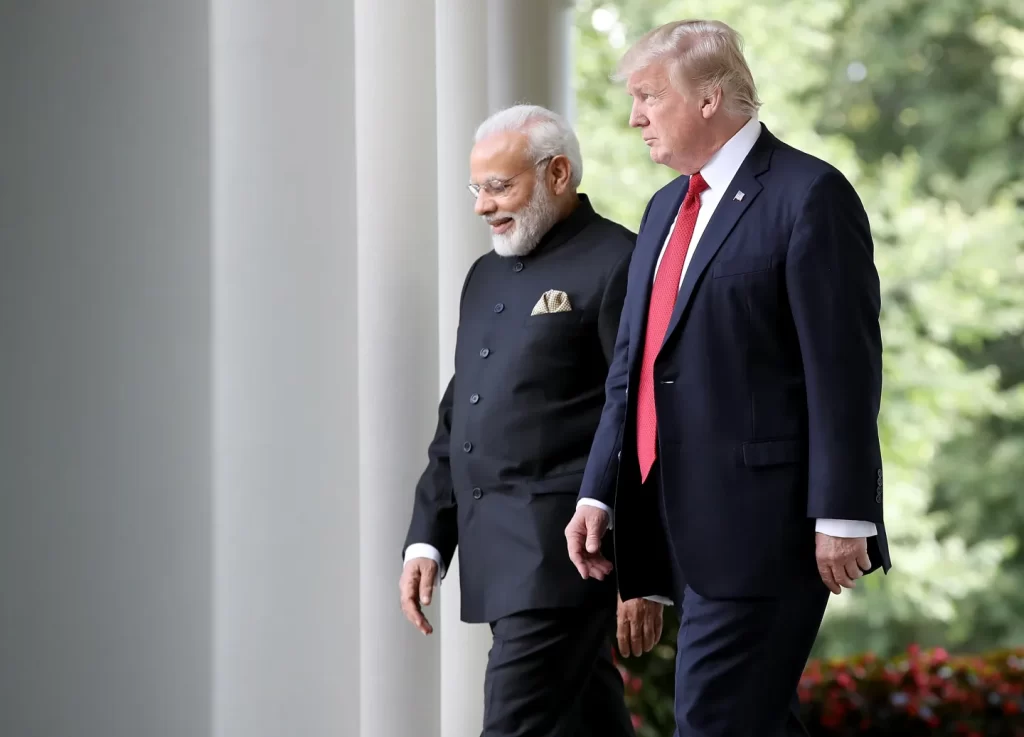
New Delhi/Washington – The United States signaled a renewed push to deepen ties with India even as tensions continue to rise in West Asia. On Friday, the US Embassy in India shared a message from Donald Trump, who praised his working equation with Narendra Modi and stressed future cooperation.
Trump said both leaders “get things done” and highlighted what he described as a strong and effective partnership. He also expressed confidence that relations between the two countries will grow stronger in the coming years. The message arrived at a time when geopolitical tensions have begun to reshape global alliances and priorities.
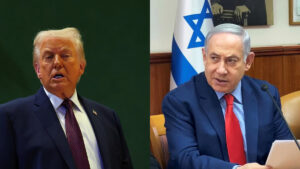
Earlier this week, Trump and Modi spoke over the phone and reviewed the fast-changing situation in West Asia. This conversation marked their first direct exchange since the United States and Israel launched coordinated strikes on Iran on February 28. As a result, the conflict entered a new and more volatile phase.
During the call, Modi clearly outlined India’s position. He urged de-escalation and called for immediate efforts to restore peace. At the same time, he emphasized the importance of keeping the Strait of Hormuz open and secure. This maritime route carries a large share of global oil shipments, so any disruption directly affects energy markets worldwide.
Both leaders agreed to stay in close contact. They plan to continue discussions on regional stability, maritime security, and safe trade routes. This coordination reflects a shared concern over the growing risks in the region.
Rising Concerns Among Citizens and Businesses
On the ground, the conflict has already started to impact daily life in subtle ways. In India, businesses that depend on imports have begun to track shipping delays and rising costs. Logistics firms report longer transit times due to rerouted vessels. As a result, supply chains face pressure.
Consumers also feel the indirect impact. Fuel prices remain a key concern, as any disruption in oil supply can trigger price volatility. Many families worry about rising expenses if the conflict continues. Small business owners, especially in transport and manufacturing, say uncertainty makes planning difficult.
Travel has also taken a hit. Airlines adjust routes to avoid conflict zones, which increases travel time and costs. Passengers face delays and cancellations, particularly on routes connecting Europe and Asia through West Asia. These changes reflect the wider ripple effects of the ongoing crisis.
Conflict Escalates and Disrupts Global Order
The current crisis began on February 28, when the United States and Israel launched strikes targeting Iranian government, military, and nuclear facilities. The attacks triggered a sharp response from Iran. Tehran retaliated by targeting US bases in the Gulf region and stepping up its military posture.
The escalation has disrupted normal operations across the region. Flight routes have changed, shipping lanes have faced threats, and global markets have reacted with caution. Oil prices have shown volatility as traders assess supply risks.
The Strait of Hormuz remains at the center of these concerns. Iran has warned ships against using the route under certain conditions and has targeted vessels linked to the US and Israel. This situation has slowed tanker movement and raised fears of supply shortages.
However, Iran has allowed select countries, including India, to move oil shipments through the strait to meet essential demand. This selective access has helped prevent immediate disruption for India, but risks remain high.
India’s Diplomatic Balancing Act
India continues to maintain a balanced approach. It has strong ties with the United States, Israel, and Iran. Therefore, it focuses on dialogue and stability rather than taking sides. New Delhi consistently calls for restraint and peaceful resolution.
At the diplomatic level, India actively engages with all stakeholders. Officials aim to reduce tensions and ensure that critical trade routes remain functional. This strategy reflects India’s broader goal of protecting its economic interests while supporting global stability.
Moreover, India’s dependence on imported energy adds urgency to its position. Any prolonged disruption in oil supply can affect inflation, growth, and fiscal planning. Therefore, India pushes for immediate de-escalation and long-term peace in the region.
Strategic Ties Strengthen Amid Uncertainty
The latest message from Trump highlights a political dimension to the evolving crisis. It signals that India-US relations will likely play a key role in shaping responses to global challenges. Strong coordination between the two countries could influence diplomatic efforts in the region.
At the same time, the situation in West Asia remains fragile. Military actions, shipping risks, and market volatility continue to create uncertainty. Policymakers, businesses, and consumers now watch developments closely.
In conclusion, Trump’s remarks reinforce the importance of India-US ties during a critical moment. Meanwhile, Modi’s emphasis on peace and secure trade routes underlines India’s priorities. As the conflict unfolds, both diplomacy and strategic partnerships will determine the path forward.