India gets strategic relief as Iran keeps Strait of Hormuz open for ‘friendly nations’
Iran signaled a calibrated move on Thursday. It allowed select countries to keep using the Strait of Hormuz despite the ongoing conflict with the United States. Iran’s foreign minister Abbas Araghchi confirmed the decision and named India among the “friendly nations.”
Iran included Pakistan, Iraq, China, and Russia in the same category. As a result, ships linked to these countries can continue transit through one of the world’s most critical energy corridors. The announcement came through Iran’s consulate in Mumbai and quickly drew attention across global markets.
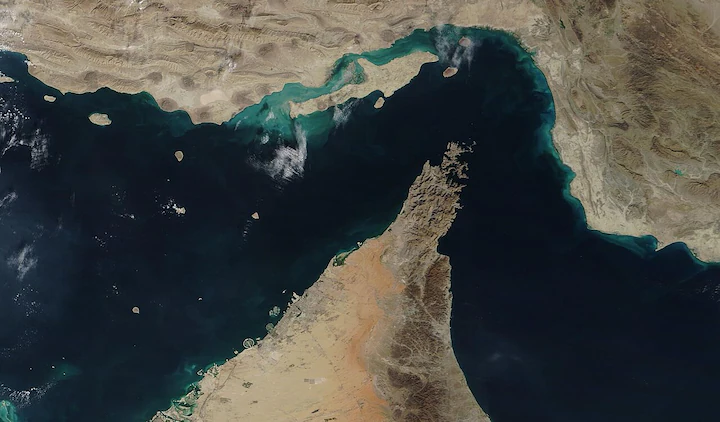
The Strait of Hormuz connects the Persian Gulf to the Arabian Sea. It handles a significant share of global oil and gas shipments. Therefore, any disruption there sends shockwaves through energy markets and supply chains.
Ground Reality: India Watches Closely, Keeps Ships Moving
India moved quickly to assess the situation on the ground. Officials confirmed that Indian vessels and crew remain safe in the Gulf region. The Ministry of Shipping maintained constant communication with ships navigating the area.
Two LPG carriers—Pine Gas and Jag Vasant—recently crossed the strait without incident. Both vessels now head toward India with full cargo. Authorities reported no maritime disruptions in the past 24 hours.
This steady movement offers short-term relief. However, officials continue to track risks as tensions remain high. India depends heavily on energy imports through this route, so even limited disruptions can affect domestic supply and prices.
Iran Sets Conditions for Safe PassageIran did not offer unconditional access. Instead, it laid down clear rules. Tehran said only “non-hostile vessels” can pass through the strait. Ships must avoid any role in actions against Iran and must follow strict security protocols.
Iran’s mission in New York clarified the framework. It stressed coordination with Iranian authorities before transit. The Iranian Defence Council reinforced this stance and made prior approval essential.
Through this approach, Iran aims to control traffic without fully shutting the route. It also signals leverage in ongoing geopolitical negotiations.
Strait Becomes Core Issue in Iran-US Standoff
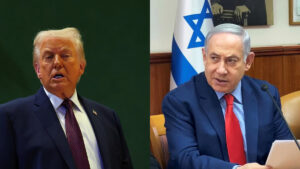
The Strait of Hormuz now sits at the center of the Iran-US conflict. Iran raised the issue in response to a peace proposal from Donald Trump. Tehran rejected claims suggesting shared control over the strait and instead pushed for full recognition of its sovereignty.
Iran’s leadership wants legal guarantees over its authority in the waterway. This demand reflects long-standing tensions over control of strategic maritime routes. It also shows how energy security and military strategy now overlap in the crisis.
At the same time, reports indicate that Iran may introduce a toll system for ships passing through the strait. Lawmakers are drafting a bill that could formalize fees in exchange for security coverage. If approved, the move could create a new revenue stream while strengthening Iran’s regulatory grip.
Global Alarm Grows Over Energy and Supply Chains
Global institutions have raised concern over the situation. The United Nations urged all sides to keep the strait open. Secretary-General Antonio Guterres warned that prolonged disruption could choke the flow of oil, gas, and fertilizers.
He highlighted the timing as especially critical. The global planting season depends on steady fertilizer supply. Any delay can affect food production across multiple regions.
Meanwhile, oil prices have already climbed. Several countries have reported early signs of shortages. Traders continue to react to every update from the Gulf, which keeps markets volatile.
Background: Why Hormuz Matters So Much
The Strait of Hormuz carries nearly a fifth of the world’s oil supply. It serves as a narrow but vital passage for exporters in the Middle East. Even minor restrictions can trigger major global consequences.
Over the years, the strait has seen repeated tensions. However, the current conflict has raised the stakes. Unlike previous episodes, this phase combines military escalation with economic pressure.
What Lies Ahead
Iran’s selective access policy offers temporary stability but not certainty. Shipping continues for now, yet risks remain high. Any escalation could still disrupt flows overnight.
India, along with other designated “friendly nations,” benefits in the short term. However, policymakers remain cautious. They continue to prepare for supply shocks and price volatility.
In the coming days, two factors will shape the situation. First, the progress of diplomatic efforts between Iran and the US. Second, Iran’s internal decisions on tolls and tighter control.
Until then, the Strait of Hormuz remains open—but fragile.