Delhi set for power tariff shift as govt tackles ₹38,552 crore dues
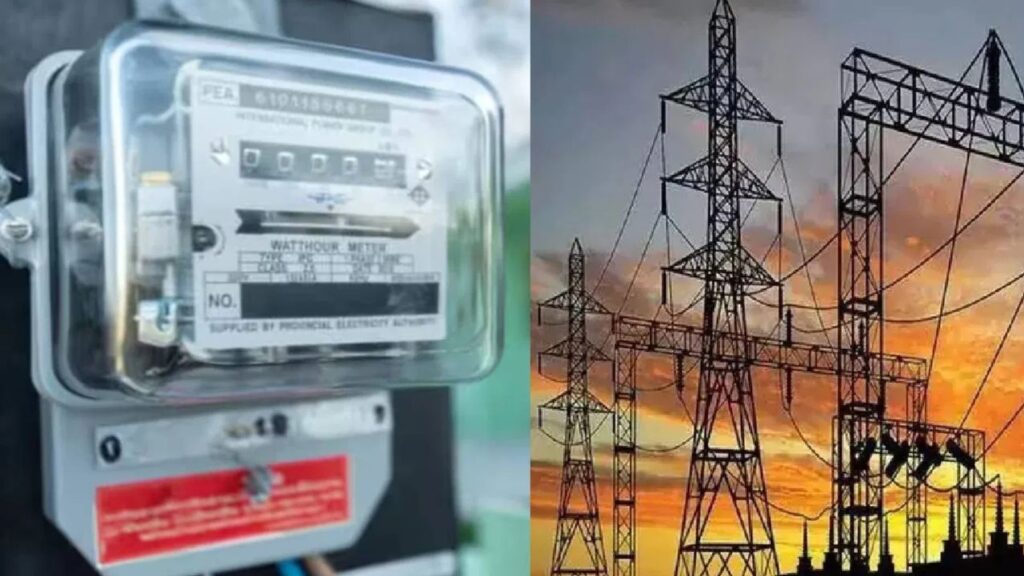
New Delhi – Electricity costs in the national capital now head toward a sharp turn. The Delhi government has started action to clear dues worth over Rs 38,000 crore. As a result, consumers may soon see higher power bills from April 2026. Officials signal a structured plan. They also hint at a balancing act to protect households.
To begin with, the government has focused on pending payments owed to three private distribution companies. These include BSES Rajdhani Power Limited, BSES Yamuna Power Limited, and Tata Power Delhi Distribution Limited. Over the years, these firms have supplied electricity across the city. Meanwhile, unpaid dues have continued to pile up.
At the same time, authorities have explored a subsidy route. They aim to soften the impact of a tariff hike. However, the final decision still depends on financial calculations and regulatory approvals. For now, officials confirm that tariff revisions look inevitable.
Importantly, the issue links back to a key judicial directive. In August last year, the Supreme Court stepped in and set a clear timeline. It asked authorities to ensure payment of regulatory assets within seven years. These assets include not just base costs but also carrying costs, which now stand at tens of thousands of crores.
To explain further, regulatory assets represent approved expenses that companies recover later through tariffs. In Delhi, these costs grew steadily over the past decade. The main reason lies in the absence of regular tariff hikes. During this period, the Aam Aadmi Party government chose to keep power prices stable. While this move offered relief to consumers, it also delayed cost recovery for discoms.
Consequently, the financial gap widened year after year. Interest added further pressure. As recovery stalled, the total dues climbed sharply. By January, the Delhi Electricity Regulatory Commission placed the figure at Rs 38,552 crore. This number reflects accumulated and approved costs across all three discoms.
Breaking it down, BSES Rajdhani accounts for the largest share. BSES Yamuna follows next. Tata Power Delhi Distribution holds a comparatively smaller portion. Still, each company carries a significant financial burden. These figures highlight the scale of the challenge before policymakers.
On the regulatory front, authorities have moved to address the issue step by step. The Delhi Electricity Regulatory Commission has already informed the Appellate Tribunal for Electricity about the total dues. It has also started work on a structured recovery mechanism. Alongside this, the Supreme Court has asked the regulator to prepare a detailed roadmap. The court has also demanded an audit to explain delays in cost recovery.
Looking ahead, the recovery plan will likely stretch over seven years. Officials propose a regulatory asset surcharge on electricity bills. This surcharge will gradually help discoms recover pending dues. However, this approach directly affects consumers, as it pushes bills upward over time.
On the ground, residents have already started reacting. Many households express concern over rising living costs. Electricity forms a key part of monthly expenses, especially during peak summer months in Delhi. Any increase in tariffs could strain middle-class budgets. Small businesses may also feel the pressure, as higher power costs affect operational margins.
Despite these concerns, officials argue that the move remains necessary. They stress that power supply must remain stable and financially viable. Discoms need timely payments to maintain infrastructure, manage demand, and invest in upgrades. Without recovery, the system could face deeper stress in the future.
Meanwhile, Delhi’s Power Minister Ashish Sood has earlier indicated the direction of policy. He acknowledged that discoms have approval to recover a substantial portion of regulatory assets. His statement signaled a clear shift toward tariff adjustments. It also underlined the urgency of clearing long-pending dues.
In the broader context, this development reflects a common challenge in urban power management. Governments often try to balance affordability and financial sustainability. When tariffs remain unchanged for long periods, hidden costs build up. Eventually, authorities must address these gaps, often through phased increases.
For Delhi, the coming months will prove crucial. The government must finalize its subsidy strategy while ensuring compliance with court directives. At the same time, regulators must maintain transparency and accountability. Consumers, on the other hand, will watch closely as new rates take shape.
In conclusion, Delhi now stands at a critical point in its power sector journey. The push to clear Rs 38,552 crore in dues marks a decisive step. While the move may raise electricity bills, it also aims to restore financial balance. As April 2026 approaches, both policymakers and residents prepare for the impact of this long-delayed correction.