Explosions rock Tehran as energy crisis deepens; global tensions spike
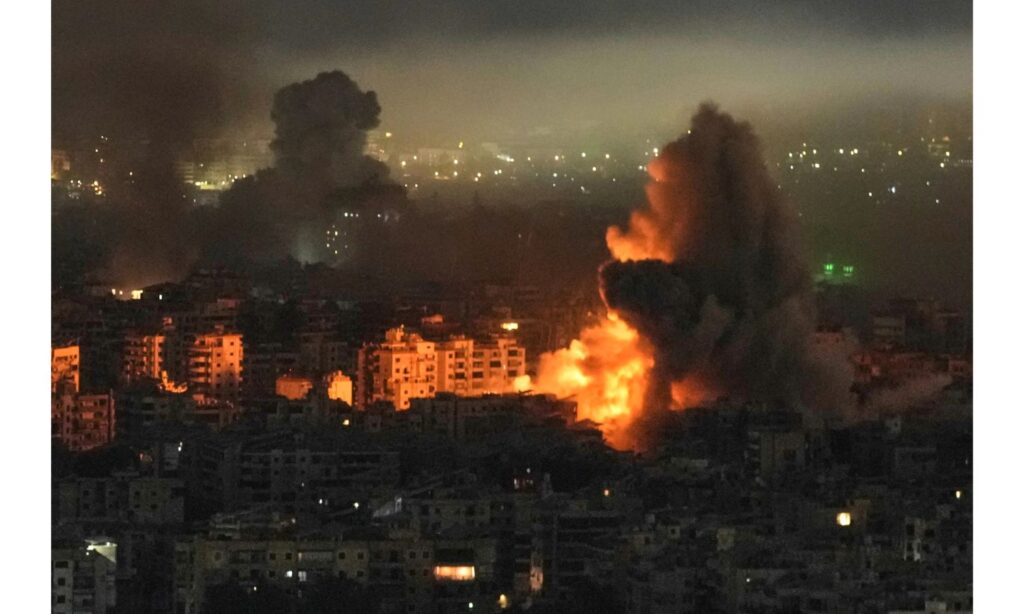
Explosions hit several parts of Tehran late Saturday, pushing the West Asia conflict into a sharper and more dangerous phase. Witnesses reported loud blasts across multiple districts. Emergency teams rushed to affected areas. Authorities tightened security and restricted movement in key zones. Meanwhile, fear spread among residents as uncertainty grew with each passing hour.
At the same time, Fatih Birol, head of the International Energy Agency, issued a stark warning. He described the current situation as “very severe.” He compared it with the energy shocks of the 1970s and said the present crisis could surpass both in scale and impact. He stressed one immediate solution. He urged the reopening of the Strait of Hormuz, a key global oil route that now faces disruption.
This narrow passage carries a large share of the world’s oil supply. However, Iran has effectively blocked access after recent strikes by the United States and Israel. As a result, global markets have reacted sharply. Energy flows have slowed. Shipping risks have increased. Insurance costs for tankers have surged. Consequently, oil-importing nations have started to feel the pressure.
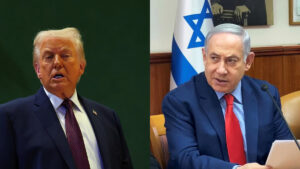
In response, Donald Trump escalated rhetoric. He warned that the United States would strike Iran’s power infrastructure if Tehran failed to reopen the strait within 48 hours. He delivered the message through social media while staying at his residence in Florida. His statement aimed to force quick action. However, it also raised the risk of further escalation.
Iran reacted swiftly. Officials declared that any attack on its facilities would trigger retaliation. They warned of strikes on U.S. and Israeli energy and infrastructure targets. This exchange of threats has added urgency to an already volatile situation. Diplomatic channels have struggled to keep pace with rapid developments on the ground.
Meanwhile, violence continued in Israel. Iranian missiles struck two communities in the southern region. The attacks damaged several buildings and injured dozens of people. The strikes occurred close to a major nuclear research center, raising concerns about strategic risks. Emergency services responded quickly. However, the incidents highlighted the widening scope of the conflict.
As the war entered its fourth week, the situation grew more complex. Domestic pressure mounted on Washington to secure oil routes and stabilise prices. Rising fuel costs have started to affect consumers and industries alike. Leaders now face a dual challenge. They must manage the conflict while also protecting economic stability.
On the ground, the human cost has climbed sharply. Reports indicate more than 1,500 deaths in Iran. Lebanon has recorded over 1,000 fatalities. Israel has reported 15 deaths, while 13 U.S. military personnel have also lost their lives. In addition, civilians across the Gulf region have suffered casualties both on land and at sea. Millions of people in Iran and Lebanon have left their homes. Displacement camps have expanded rapidly. Aid agencies have struggled to meet rising needs.
Across the Gulf, defence systems have gone on high alert. Kuwait reported interceptions of incoming missiles and drones early Monday. United Arab Emirates also confirmed defensive action against aerial threats. In Bahrain, authorities activated air raid sirens as a precaution. These developments show how the conflict now affects a broader regional arc.
At the diplomatic level, conversations have intensified. Emmanuel Macron spoke with Mohammed bin Salman. During the call, Macron expressed support for Saudi Arabia. He condemned repeated attacks targeting the kingdom. He also backed Riyadh’s efforts to protect its sovereignty and territorial integrity. This exchange reflects growing international concern and alignment among key powers.
Oil markets have reacted with volatility. Prices have moved sharply in response to each new development. West Texas Intermediate briefly surged when trading resumed on the Chicago Mercantile Exchange. However, it later eased to around $97.86 per barrel, slightly below its previous close. Brent crude, the global benchmark, hovered above $111 per barrel. It had touched higher levels earlier in the week.
Before the conflict began, Brent traded near $70 per barrel. Since then, prices have climbed significantly. Supply disruptions and shipping risks have driven the increase. Traders have responded to uncertainty rather than stable fundamentals. As a result, markets have remained sensitive to every headline.
From a ground perspective, daily life has changed drastically across affected regions. In Tehran, residents now avoid crowded areas. Shops close earlier than usual. Fuel queues have grown longer. In southern Israel, families take shelter during repeated sirens. In Lebanon, displaced communities rely heavily on humanitarian aid. These realities show how the conflict extends beyond strategy and politics into everyday survival.
In the background, the crisis reflects deeper geopolitical tensions. Long-standing rivalries between regional powers continue to shape events. External involvement from global actors has added further complexity. Energy routes, military alliances, and strategic deterrence all intersect in this conflict. Therefore, each development carries both immediate and long-term consequences.
As the situation evolves, uncertainty remains the only constant. Leaders face tough decisions in the coming days. Markets watch closely. Civilians hope for relief. However, without de-escalation and restored energy flows, the crisis could deepen further and reshape the global order.