Trump signals Iran war drawdown, urges allies to secure Strait of Hormuz
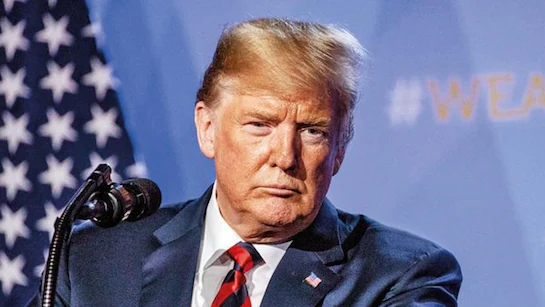
First, Donald Trump shared a detailed message on Truth Social on Friday. He stressed that US forces have made significant progress in the ongoing conflict with Iran. He added that the US now stands close to meeting its objectives.
Moreover, Trump highlighted key military outcomes. He said US operations have weakened Iran’s missile strength. He also claimed that American actions have disrupted Iran’s defence production system. In addition, he pointed to setbacks in Iran’s naval and air capabilities.
Next, Trump addressed the nuclear issue. He said the United States will not allow Iran to move closer to developing nuclear weapons. He presented this as a central goal of the campaign. Therefore, he framed recent actions as both strategic and preventive.
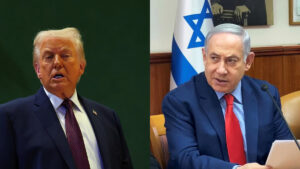
At the same time, Trump focused on regional security. He said Washington has strengthened protection for its Middle Eastern partners. He specifically mentioned Israel, Saudi Arabia, Qatar, United Arab Emirates, Bahrain, and Kuwait. According to him, the US has ensured high-level security support for these nations.
However, Trump’s message also revealed a clear policy shift. He called on countries that depend on the Strait of Hormuz to take responsibility for its security.
He argued that these nations benefit the most from the route. Therefore, they should lead efforts to guard and monitor it. He also made it clear that the United States should not carry this burden alone.
Additionally, Trump said the US could support allied efforts if required. Yet, he insisted that such assistance should not become routine. He suggested that once threats from Iran decline, regional and global users of the route should manage its safety independently.
Furthermore, he described the task as manageable. He said capable nations can handle the security of the waterway without major difficulty. This remark underlined his push for burden-sharing.
Meanwhile, Trump’s remarks pointed to a possible reduction in direct US military involvement. He indicated that Washington may scale down frontline operations after weeks of intense activity.
However, he did not announce a formal withdrawal. Instead, he hinted at a calibrated approach. Under this approach, the US would maintain strategic influence while reducing active engagement on the ground.
At the same time, tensions in the region remain high. Shipping activity through the Strait of Hormuz continues under risk. As a result, any shift in US posture could have immediate global implications.
On the ground, the situation remains sensitive. Commercial vessels continue to move through the Strait of Hormuz with caution. Shipping firms monitor developments closely and adjust routes when risks rise.
Moreover, traders in energy markets react quickly to any disruption. Even small incidents in the region influence oil and gas prices. Therefore, stability in this corridor remains critical for global supply chains.
Local observers also note rising uncertainty. They say that without a clear security framework, risks could increase further. Hence, the need for coordinated action among user nations becomes more urgent.
The Strait of Hormuz serves as one of the world’s most vital energy corridors. A large share of global oil and gas shipments passes through this narrow waterway. As a result, any disruption here affects markets worldwide.
For years, the United States has played a leading role in securing this route. It has deployed naval forces and coordinated with allies to ensure safe passage. However, recent signals suggest a gradual shift in this long-standing approach.
Trump’s latest remarks reflect that change. He aims to redistribute responsibility among nations that rely heavily on the route. This strategy aligns with a broader effort to reduce direct US military commitments abroad.
In conclusion, Donald Trump outlined a dual message. On one hand, he claimed that the US stands close to achieving its goals in Iran. On the other hand, he pushed for a redistribution of security responsibilities in the Strait of Hormuz.
Now, attention turns to global and regional powers. They must decide whether to step in and take greater control of maritime security. Their response will shape the next phase of stability in this critical region.