Ukraine protests arrest of nationals in India, NIA probes cross-border drone training network
New Delhi – A diplomatic row has surfaced after India arrested foreign nationals over alleged insurgent training links. Ukraine has formally protested the detention of its citizens. Meanwhile, the United States has acknowledged the situation but avoided detailed comment.
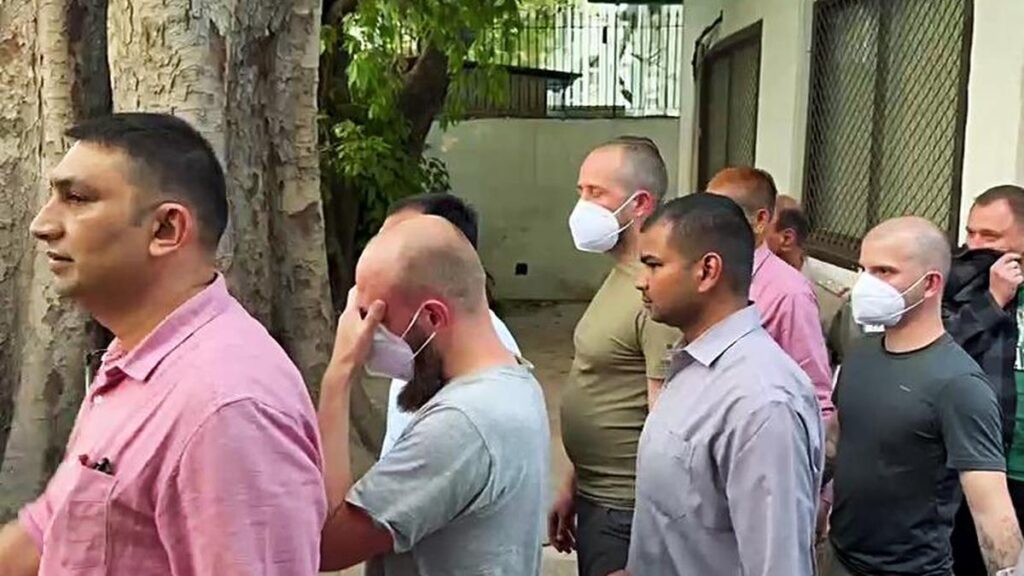
First, the National Investigation Agency carried out a coordinated operation on March 13. It arrested six Ukrainian nationals from Delhi and Lucknow airports. It also detained a US citizen, Matthew Aaron VanDyke, at Kolkata airport. A Delhi court later sent all seven accused to custody until March 27.
According to investigators, the group entered India on tourist visas. Then, they travelled to the Northeast. After that, they moved toward Mizoram and allegedly crossed into Myanmar without valid permits. Officials say they trained ethnic armed groups in drone warfare, including operation, assembly, and jamming techniques.
Further, the agency has launched a wider probe. It is now searching for eight more Ukrainian nationals linked to the case. Officials believe the network includes at least 15 individuals. They also suspect that these groups maintain links with anti-India insurgent outfits.
During questioning, investigators claim the accused admitted their role. They reportedly conducted multiple training sessions in Myanmar. In addition, they allegedly routed drone equipment from Europe through India. Authorities say these supplies reached insurgent groups operating near the India-Myanmar border.
On legal grounds, the agency has invoked strict provisions. It has filed the case under the Unlawful Activities (Prevention) Act. This law deals with conspiracy and support for terror-related activities. Officials stress that the case involves national security concerns.
However, the arrests have triggered diplomatic tension. Ukraine’s foreign ministry has raised strong objections. It stated that its embassy did not receive formal notification about the detentions. As a result, Oleksandr Polishchuk met Indian officials and submitted a protest note. He demanded immediate consular access and sought the release of Ukrainian citizens.
At the same time, the US has responded cautiously. A spokesperson confirmed awareness of the case but declined further details. Officials cited privacy concerns regarding American citizens abroad.
On the ground, security agencies have tightened monitoring in sensitive border areas. Mizoram and nearby regions remain under close watch. Authorities aim to prevent illegal crossings and restrict movement in protected zones. Investigators are also analyzing seized mobile devices to trace communication networks.
Ukraine, meanwhile, has raised another concern. It pointed out that restricted zones in India lack clear on-ground markings. It argued that foreign nationals may unknowingly violate entry rules. This claim adds another layer to the dispute.
For context, India’s Northeast shares a porous border with Myanmar. Several ethnic armed groups operate in this region. Some of these groups maintain links with banned insurgent outfits in India. Therefore, any external training or supply chain raises serious alarm for security agencies.
Overall, the case highlights a complex mix of security and diplomacy. India continues its investigation to uncover the full network. At the same time, Ukraine and the US seek clarity on their citizens. As the probe moves forward, the issue may test coordination between national security priorities and international relations.