Top Iranian leader Ali Larijani killed in airstrike, conflict enters dangerous phase
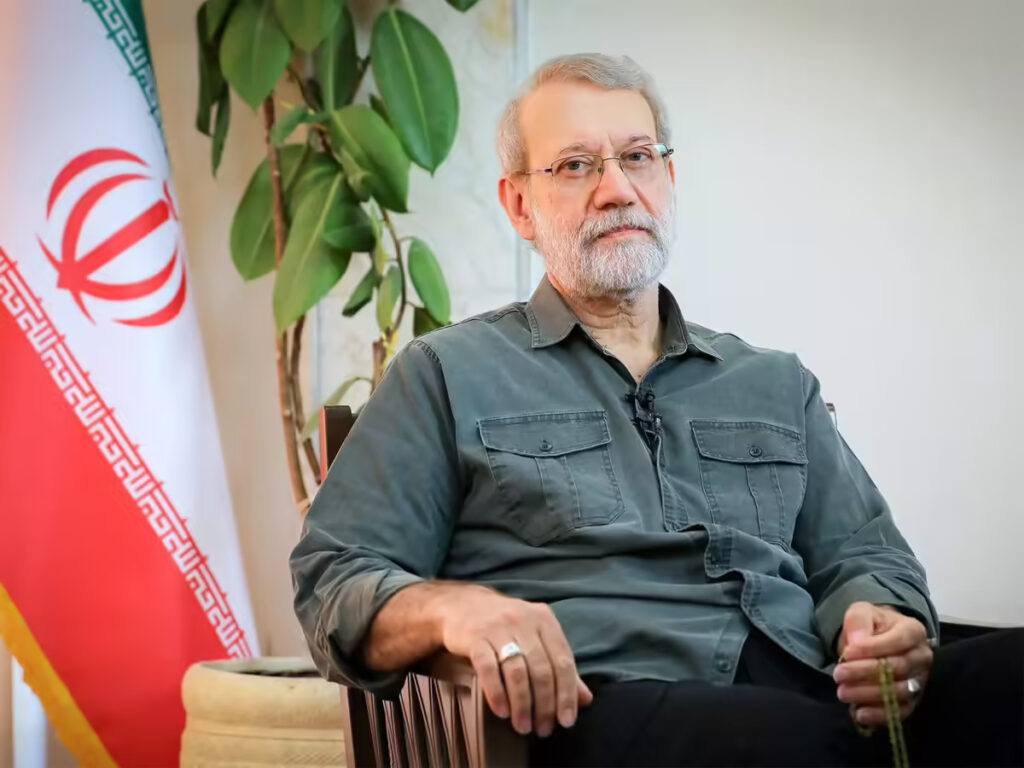
Tehran – Iran has confirmed the killing of Ali Larijani in a targeted airstrike. The attack struck his daughter’s home near Tehran. It also killed his son Morteza Larijani, deputy Alireza Bayat, and several bodyguards. This strike marks one of the most direct hits on Iran’s top leadership.
According to Iran’s Supreme National Security Council, the strike hit Pardis in the early morning hours. Officials described Larijani as a lifelong servant of the Islamic Republic. State-linked outlets also confirmed that the missile struck a residential property linked to his family.
Earlier, Israel had signaled this operation. Defence Minister Israel Katz said Israeli forces had eliminated senior Iranian figures in overnight strikes. He also confirmed the death of Gholamreza Soleimani, who led Iran’s Basij force. These statements pointed to a wider strategy to target Iran’s leadership.
Soon after, Israeli military officials raised the stakes. Spokesperson Effie Defrin said Israel would continue tracking Iran’s top leadership. He issued a direct warning about Mojtaba Khamenei. This statement showed that Israel plans to expand its campaign.
On the ground, the conflict continues to intensify. Iran’s Revolutionary Guard has increased missile and drone attacks. At the same time, Tehran has tightened control over the Strait of Hormuz. This route remains critical for global oil supply. Any disruption here affects markets worldwide.
Meanwhile, Benjamin Netanyahu defended the strikes. He said Israel aims to weaken Iran’s leadership. He argued that this pressure could open space for internal change. However, there are no visible signs of unrest inside Iran. Civilians continue to take shelter as attacks persist.
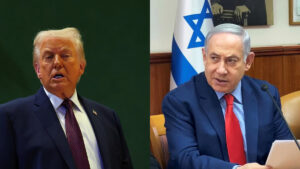
Just days before his death, Larijani had responded sharply to Donald Trump. He rejected US warnings and dismissed external threats. His remarks reflected a defiant stance even as tensions escalated.
Ground Angle: Fear, Silence, and Uncertainty
In Tehran and nearby areas, fear has spread among residents. People report loud explosions during the night. Families now stay indoors and avoid unnecessary travel. Security presence has increased across key zones. Many citizens rely on state media for updates, while uncertainty continues to grow.
Local sources say daily life has slowed down. Markets operate with caution. Schools and offices face disruptions. Despite this, there are no large-scale protests. The focus remains on safety as the conflict unfolds.
Background: A Power Broker at the Core
Ali Larijani held deep influence across Iran’s political system. He led the Supreme National Security Council and shaped key decisions on defence and diplomacy. He also served as parliament speaker for over a decade. His role placed him at the center of power.
He came from a prominent political family. His brother Sadeq Larijani led the judiciary, while Mohammad Javad Larijani advised on foreign policy. Together, they formed a strong network within the system.
Larijani also played a key role in Iran’s nuclear strategy. He led negotiations with Western nations and defended Iran’s right to enrich uranium. At the same time, he maintained ties with Russia and China. He often balanced diplomacy with firm domestic control.
However, his influence faced challenges in recent years. The Revolutionary Guards gained more power as tensions rose. Still, many viewed him as a key strategist in Iran’s future leadership.
Now, his sudden death creates a major gap. It removes a central figure who shaped Iran’s policy for decades. As strikes continue and threats rise, the region moves deeper into uncertainty.