Government caps hidden airline fees, orders 60% free seat selection for flyers
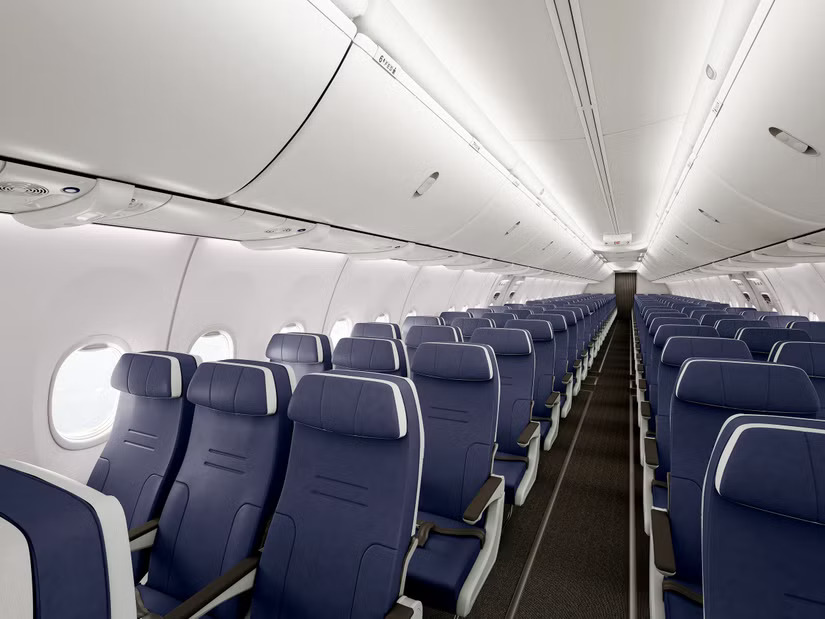
New Delhi – The government has stepped in to cut hidden airline charges. It has now mandated free seat selection on most seats. As a result, flyers across India can expect immediate relief.
First, the Ministry of Civil Aviation has issued a clear directive. It has asked airlines to keep at least 60 percent of seats free for selection. The Directorate General of Civil Aviation (DGCA) has enforced the order. This move directly targets extra fees that airlines often add after ticket booking.
Until now, many passengers faced surprise costs. Airlines charged extra for preferred seats during web check-in. However, the new rule changes that practice. It ensures fair access and reduces last-minute expenses.
At the ground level, passengers welcome the move. Families often struggle to sit together unless they pay more. Now, the rule addresses that issue. The ministry has asked airlines to seat passengers on the same PNR together. In most cases, airlines will assign adjacent seats without extra charges.
Travelers say this step will ease stress during boarding. Parents with children will benefit the most. Group travelers will also avoid unnecessary costs. Airport staff expect fewer complaints at check-in counters.
Meanwhile, the government has widened its focus. It has asked airlines to simplify baggage and service rules. Airlines must now clearly explain policies for sports equipment and musical instruments. This step removes confusion that often leads to disputes at airports.
In addition, the ministry has addressed pet travel. Airlines must publish clear and accessible policies for carrying pets. Travelers have often faced uncertainty in this area. Now, standard rules will improve clarity and planning.
Further, the government has tightened passenger rights. Airlines must follow strict rules during delays, cancellations, or denied boarding. They must clearly display passenger rights on websites, mobile apps, booking portals, and airport counters.
Importantly, airlines must share this information in regional languages. This step expands access and ensures that more passengers understand their rights. Officials believe this will empower travelers and reduce misinformation.
This decision comes at a time when India’s aviation sector is expanding rapidly. The country now ranks among the world’s largest aviation markets. Airports handle over five lakh passengers daily. With this surge, passenger expectations have also risen.
In response, the government has pushed for transparency. It has introduced several passenger-friendly measures in recent years. Initiatives like affordable airport food and free Wi-Fi reflect this approach. Now, the latest directive strengthens that effort.
From an industry perspective, airlines may need to adjust pricing strategies. They may lose some revenue from seat selection fees. However, the government has prioritized passenger convenience over add-on charges.
Overall, this move signals a shift in policy. The government aims to make air travel simpler, fairer, and more transparent. As implementation begins, passengers will closely watch how airlines follow these rules.
In the coming months, stricter monitoring may follow. For now, flyers can expect fewer hidden costs and a smoother travel experience.