“We don’t need anyone”: Donald Trump hits out as allies refuse Hormuz mission
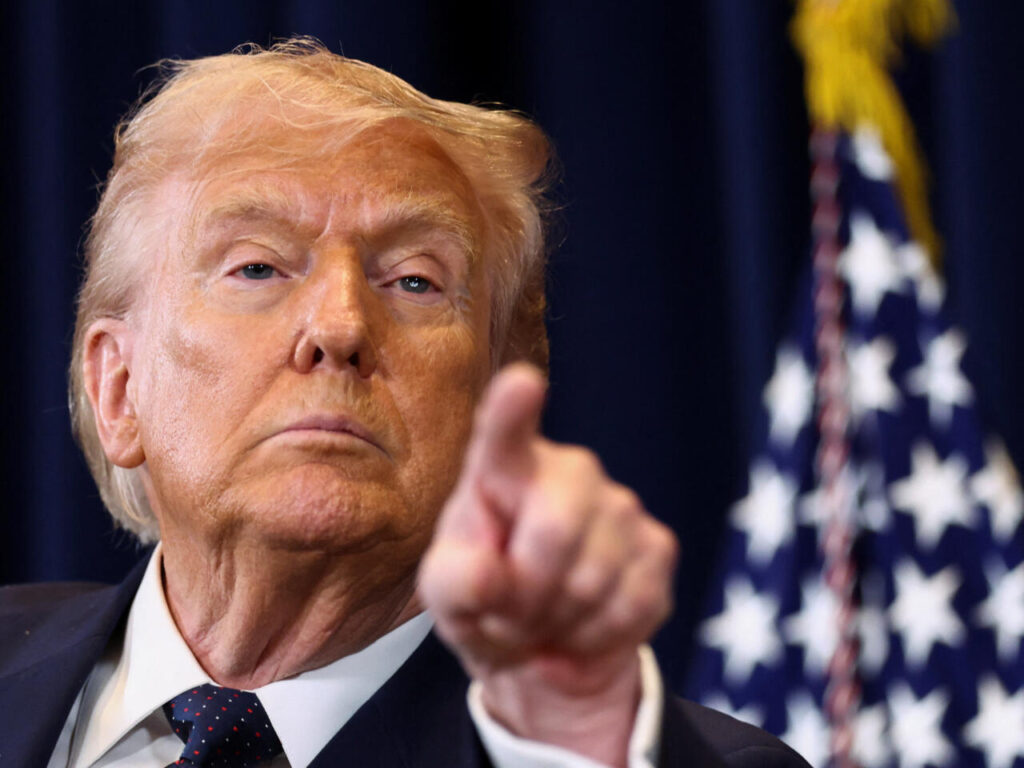
US President Donald Trump on Tuesday expressed sharp frustration after key allies refused to join a proposed naval mission in the Strait of Hormuz. He asserted that the United States could secure the route alone. He also questioned the reliability of long-standing partners.
First, Trump reacted to the lack of support. He said the US did not need help from any country. He stressed that the US military remained the strongest in the world. At the same time, he criticized members of the North Atlantic Treaty Organization. He argued that allies often avoid responsibility despite collective defence commitments.
Earlier, Trump had urged partner nations to deploy warships to the Gulf. He warned that refusal could affect future cooperation. However, countries like Germany, Spain, and Italy declined the request. They said they had no immediate plans to send forces.
Meanwhile, German Chancellor Friedrich Merz explained Berlin’s position. He said Germany had not received prior consultation before the conflict began. He added that legal approval remained absent. Therefore, Germany could not commit troops without mandates from international bodies.
When asked about France, Trump initially expressed confidence. However, he quickly repeated that US forces did not depend on foreign support. He added that he raised the request partly to test allies’ willingness. He suggested that some partners might not stand with the US in a real crisis.
In addition, Trump pointed to the United Kingdom. He claimed London hesitated to send aircraft carriers early in the conflict. Later, he said, Britain offered support after conditions improved. However, he rejected the offer at that stage. He stressed that timely support matters more than delayed action.
On the ground, tensions around the Strait of Hormuz continue to rise. The route handles nearly one-fifth of global oil supply. Therefore, any disruption quickly impacts energy markets. Recently, Iran intensified pressure in the region. It targeted vessels and restricted movement through the strait.
As a result, oil prices surged sharply. Shipping companies raised concerns over safety. Several vessels reported attacks while crossing the narrow passage. Consequently, global markets reacted with volatility.
The current crisis links directly to the wider regional conflict. On February 28, the US, along with Israel, launched strikes on Iranian military sites. These attacks aimed to weaken command structures. Soon after, Iran responded with missile and drone strikes. It targeted Israeli territory and US-linked installations across West Asia.
Following this escalation, Iran moved to tighten control over the strait. The country warned that it could block oil flow if pressure continued. It also signaled that crude prices could rise dramatically in such a scenario.
Against this backdrop, Trump proposed naval escorts for commercial ships. He urged allies to share the burden. However, most countries chose caution. They avoided direct involvement in a rapidly expanding conflict.
As divisions widen, the situation highlights growing cracks within Western alliances. The US continues to push for stronger cooperation. In contrast, several partners prefer restraint. This gap now shapes the response to one of the most critical energy chokepoints in the world.