US destroys 16 Iranian mine-laying ships near strait of Hormuz as conflict escalates
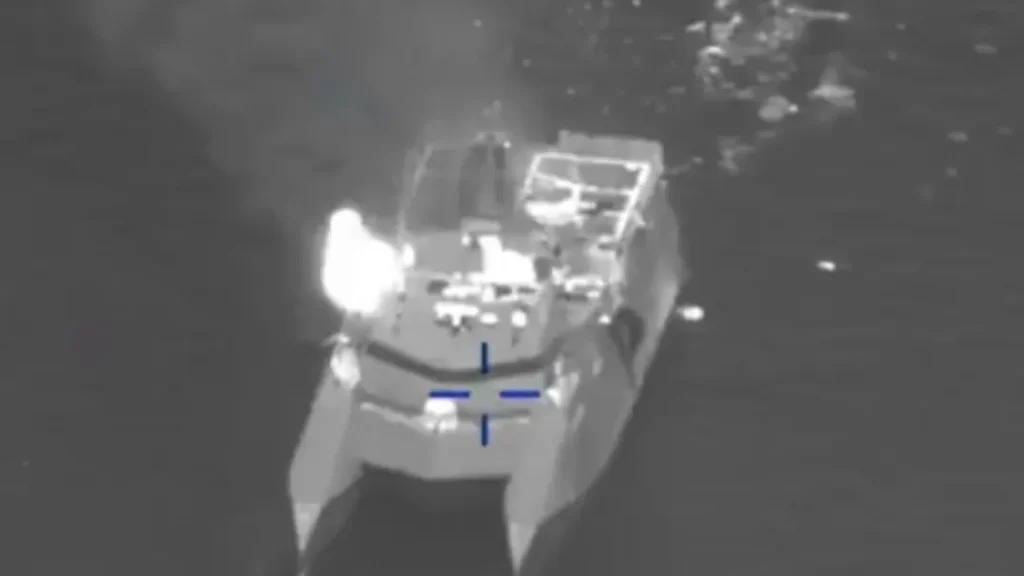
The United States intensified military pressure on Iran during the ongoing regional conflict. On Tuesday, US forces destroyed 16 Iranian vessels that carried equipment to lay naval mines near the Strait of Hormuz. The action came as tensions between Washington and Tehran continued to rise during the expanding confrontation in West Asia.
The US military confirmed the operation on Wednesday. Officials said American forces detected Iranian ships preparing to deploy mines in waters close to the narrow shipping corridor. US commanders then launched strikes and destroyed the vessels before they could place explosives in the sea.
The strait holds huge global importance. Nearly 20 percent of the world’s oil supply travels through this route every day. Therefore, any threat to shipping in the channel immediately raises concerns across global energy markets.
Meanwhile, Iran issued strong warnings. Iranian leaders said they would block oil shipments to their enemies if the conflict continued. Officials in Tehran declared they would not allow “even a single liter” of oil to reach hostile countries.
Washington Signals Strong Military Response
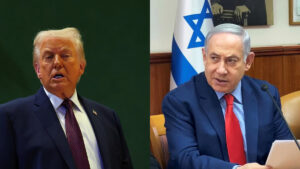
At the same time, US leadership signaled readiness for further action. Donald Trump warned Iran through social media that the US would launch unprecedented strikes if Iranian forces planted mines in the strait.
However, Trump later said US authorities had not confirmed the placement of mines inside the channel. Despite that statement, the Pentagon released unclassified video footage showing several Iranian vessels targeted during the operation.
Military officials explained that the strike aimed to prevent a major disruption to global energy supply. They also emphasized the importance of keeping the strait open for international shipping.
War Enters Second Week
The broader conflict entered its eleventh day on Wednesday. Both sides increased their rhetoric and military posture. Pete Hegseth warned that the most intense phase of the war might still lie ahead.
Pentagon officials also acknowledged injuries among US troops stationed across the region. However, they did not provide detailed numbers during the briefing.
Iran Expands Regional Attacks
Iran continued attacks on multiple fronts. Iranian forces targeted energy infrastructure in the region in recent days. Analysts believe Tehran wants to create economic pressure on its opponents.
Iran also launched missile and drone strikes against Israel and US military bases in the Middle East. These actions increased fears of a broader regional war.
At the same time, Iranian leaders rejected any immediate diplomatic talks. Officials in Tehran issued threats against Washington and warned of continued retaliation.
Global Markets Watch the Conflict
Financial markets monitored the situation closely. Investors searched for signals about how long the war might continue.
Despite the rising tension, the Dow Jones Industrial Average and other major US indexes showed limited movement on Tuesday. Investors appeared cautious but avoided panic selling.
Oil markets also reacted. Prices stayed below the sharp peaks recorded earlier in the week. However, traders continued to watch the Strait of Hormuz closely. Any disruption in that route could send energy prices sharply higher.
Civilians Face Growing Impact
The conflict has already affected civilians across the region. Residents in Tehran reported some of the heaviest airstrikes since the war began. Several people described explosions hitting residential buildings.
Many citizens have started leaving the capital. Reports indicate that tens of thousands of Iranians have moved to rural areas to seek safety.
Meanwhile, violence also spread into neighboring countries. In southern Lebanon, Israeli airstrikes killed seven people early Wednesday, according to local health officials.
One of the victims served as a member of the Red Cross rescue team. Earlier strikes also killed several others, including a paramedic linked to a Hezbollah-affiliated medical group.
Overall, the conflict continues to widen. Military actions now stretch across several countries in the region. As a result, global leaders watch the situation carefully while concerns over energy security and regional stability continue to grow.