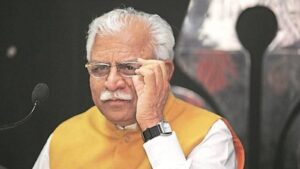
Education needs society’s participation, not just government effort: Banveer Singh
Rashtriya Swayamsevak Sangh (RSS) North Zone Pracharak Chief Banveer Singh called for greater social participation in education. He said society must share responsibility with the government to spread education across all sections. He urged concerned citizens to contribute according to their ability and resources.
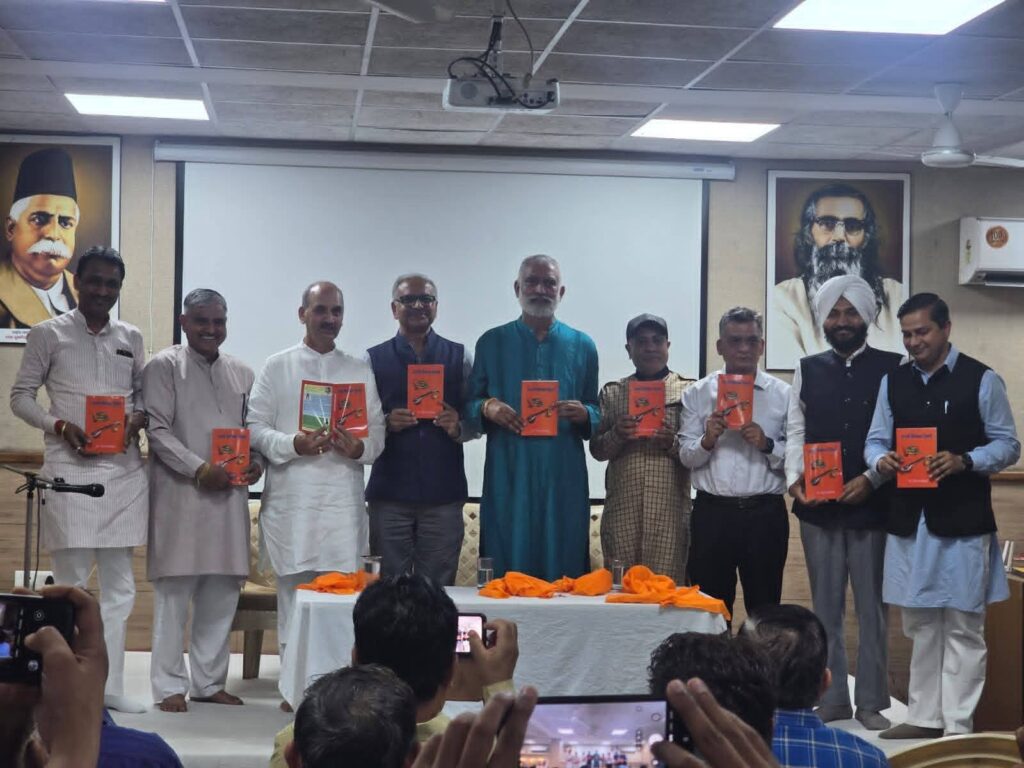
Banveer Singh made these remarks during an intellectual gathering in Chandigarh. The event took place at Keshav Niwas. Organisers also launched the Punjabi translation of the book Bhartiya Shiksha Drishti. The book compiles ideas on education shared by RSS chief Mohan Bhagwat at various platforms.
Banveer Singh said education does not begin only in schools. He explained that families shape the foundation of human values. According to him, parents and elders guide children through their behaviour and daily conduct. They teach children the difference between right and wrong. They also nurture courage, patience and responsibility.
He further stressed the importance of dialogue between generations. He said young and old members of society must interact regularly. Such conversations strengthen social awareness and responsibility. Over time, this dialogue builds respect for values, dedication to work and emotional connection with society.
Banveer Singh also highlighted the concept of family awareness or “Kutumb Prabodhan.” He said families play a central role in shaping character. When family members share experiences and guidance, children develop moral clarity and discipline. This process gradually shapes both individual and national character.
At the same time, he reminded the audience that education must include emotional and cultural learning. He said children observe their surroundings closely. They learn compassion, empathy and cooperation from elders in the family and neighbourhood. Therefore, society must create a nurturing environment for the younger generation.
Banveer Singh also discussed the role of religion and culture in shaping the next generation. He said cultural values guide individuals toward responsible citizenship. According to him, education must connect people with their traditions and social roots.
He also emphasised the importance of mother tongues. Banveer Singh argued that education should create pride in one’s native language. Language, he said, carries history, culture and identity. When students respect their mother tongue, they also develop confidence in their cultural heritage.
Moreover, he called for an education system that encourages respect for nature and society. He said individuals must learn to value land, water, forests, animals and natural resources. According to him, such values help create a balanced and compassionate society.
Banveer Singh added that education should build self-respect and collective confidence. A strong education system, he said, helps society grow with dignity and unity. He also noted that such education can strengthen global harmony by promoting empathy and cooperation.
The programme also highlighted the contribution of educational organisations in spreading these ideas. Vidya Bharati’s contact department in Punjab supported the publication of the Punjabi translation of Bhartiya Shiksha Drishti. Ravi Kumar compiled the original collection of ideas.
During the event, Banveer Singh attended as the chief speaker. Dhruv Kanya Shukla presided over the gathering. Vijay Nadda, North Zone Organising Secretary of Vidya Bharati, delivered the introductory remarks.
Several other dignitaries also joined the programme. Vidya Bharati Punjab’s Organising Secretary Rajendra attended the event. RSS state publicity chief Ajay also remained present. Chandigarh department karyavah Advocate Baljinder Singh joined the programme as well.
Members of Vidya Bharati’s contact department, including Ramesh Arora, Parveen Gupta, Manish Sharma and Karamjit Parmar, also participated in the gathering.
Through the event, speakers highlighted the need to strengthen value-based education. They emphasised cooperation between government, families and society to shape responsible citizens and a stronger nation.