Balen Shah’s rise in Nepal: What it means for India’s ‘Roti-Beti’ ties
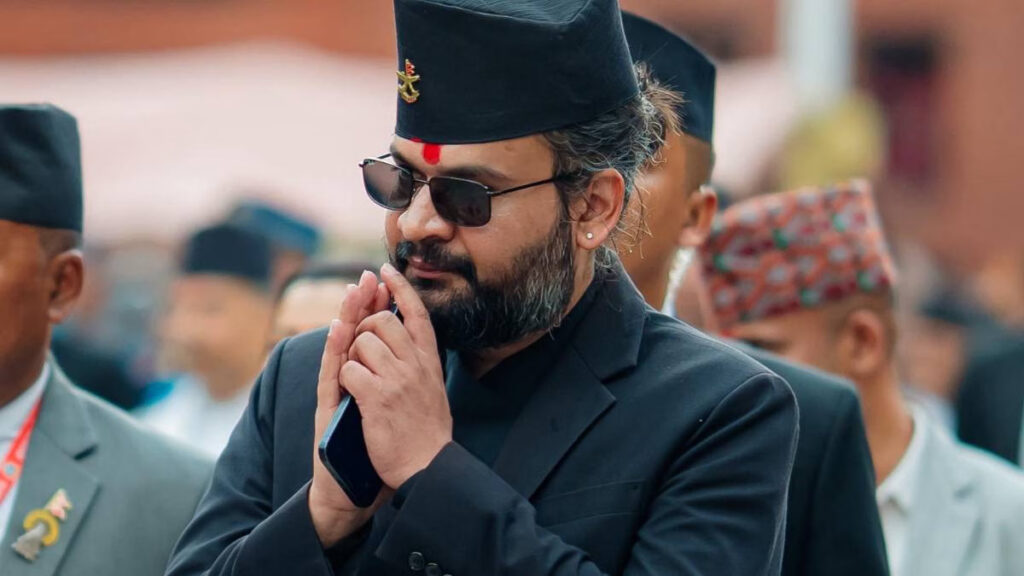
Nepal stands at a turning point in its political history. A powerful youth-led movement forced former Prime Minister KP Sharma Oli to step down last year. After months of political uncertainty, the country held national elections on March 5. Now, Kathmandu Mayor Balendra Shah has emerged as the frontrunner to become Nepal’s next prime minister.
Balendra Shah, widely known as Balen Shah, represents a new generation of leaders in Nepal. The 35-year-old rapper-turned-politician built his popularity through anti-establishment politics and strong social media outreach. His rise reflects growing frustration among young Nepalis toward the country’s traditional political parties.
The shift began months earlier. In November 2025, Shah posted a controversial message on social media. In that post, he criticised Nepal’s major political parties and also mentioned global powers like India, China and the United States. Although Shah deleted the post within half an hour, screenshots spread rapidly across the internet. The episode highlighted the anger many young voters felt toward Nepal’s old political order.
Soon after, the political landscape changed dramatically. The youth-led protests that removed Oli from power created momentum for new leadership. Elections followed, and Shah contested as the prime ministerial candidate of the pro-monarchist Rastriya Swatantra Party. Voters delivered a decisive mandate and rejected long-dominant parties such as the Communists and the Nepali Congress.
Analysts now describe the election result as a political earthquake in Nepal. Voters replaced the established political elite with a new generation of leaders. Experts say the outcome signals a major transformation in Kathmandu’s political culture.
Geostrategic analyst Brahma Chellaney argues that the defeat of Nepal’s Communist parties weakens China’s influence in the region. Beijing had invested years in building relations with those parties to maintain a pro-China government in Kathmandu. Now that strategy faces a serious setback.
At the same time, the political change could create an opportunity for India. Over the past decade, relations between India and Nepal experienced periods of tension. The 2015 border blockade dispute and later territorial disagreements created diplomatic friction. These events pushed several Nepali governments closer to Beijing.
With a new leadership emerging in Kathmandu, India may get a chance to rebuild influence. However, experts say New Delhi must approach the situation carefully.
Despite political changes, the foundation of India-Nepal relations remains extremely strong. The two countries share open borders, deep cultural connections and centuries of social interaction. Millions of people cross the border every year for work, education and trade.
This close bond often appears in the phrase “Roti-Beti ka Rishta.” The expression refers to shared livelihoods and family ties between communities on both sides of the border. Marriages, trade networks and cultural exchanges have strengthened this relationship for generations.
Veteran journalist Keshav Pradhan says the depth of India-Nepal ties is unique in global diplomacy. According to him, few neighbouring countries share such close connections in terms of culture, language and social life.
However, generational change in Nepal has also altered public aspirations. Younger Nepalis now explore opportunities beyond India for education and employment. Globalisation and new economic pathways influence their outlook.
Even so, geography continues to shape Nepal’s partnerships. India remains Nepal’s largest and most natural partner due to shared borders and deep historical ties.
The emergence of Balen Shah could nevertheless introduce unpredictability into bilateral relations. In the past, Indian policymakers could anticipate Kathmandu’s stance depending on which party held power. Leaders such as KP Sharma Oli, Prachanda or the Nepali Congress followed relatively familiar diplomatic patterns.
The new generation may act differently. Shah represents a political outsider who rose from local governance to national prominence. His political style appears direct and outspoken. As a result, experts say India cannot assume predictable policy behaviour from the new leadership.
Some past controversies also add complexity. In 2023, a “Greater Nepal” map displayed in Shah’s mayoral office triggered debate in India. Although analysts say symbolic gestures should not define future diplomacy, the episode still raised questions about nationalist politics in Nepal.
Experts therefore advise India to adopt a careful and respectful approach. Strategic analysts suggest that New Delhi should strengthen diplomatic dialogue and economic cooperation with Nepal’s new leadership.
They also argue that India must avoid the perception of acting like a “big brother.” Instead, policymakers should treat Nepal as an equal sovereign partner.
Ultimately, Balen Shah’s rise marks both a generational shift in Nepal’s politics and a new chapter in regional diplomacy. The historic “roti-beti” bond between India and Nepal remains intact. Yet the future of that relationship will depend on how both countries engage with each other in this new political era.