Government forms panel as commercial LPG shortage hits hotels and restaurants
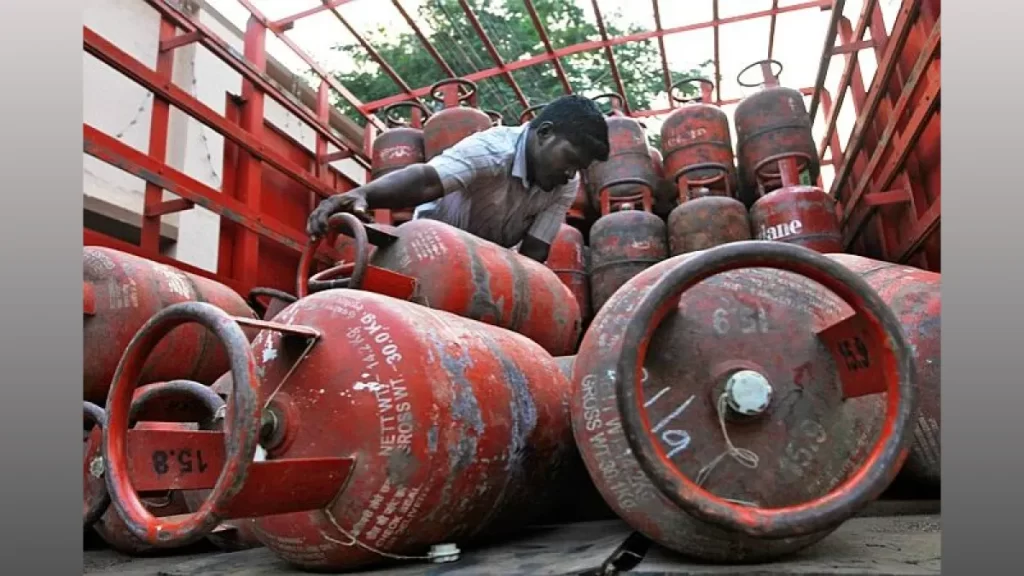
India’s hospitality sector faces a growing challenge after a sudden shortage of commercial LPG cylinders. Restaurants and hotels rely heavily on this fuel for daily cooking. However, limited supplies have now created anxiety across the industry. In response, the Union Oil Ministry has formed a special committee to examine the problem and suggest immediate solutions.
First, the ministry announced the formation of a three-member panel. The panel includes three Executive Directors from Oil Marketing Companies. The group will review complaints and requests from restaurants, hotels, and other industries that depend on commercial LPG. Officials say the committee will study supply gaps and recommend ways to improve distribution.
Meanwhile, restaurant associations have raised serious concerns. Industry representatives warn that many eateries may face shutdowns if LPG supplies do not improve quickly. According to them, several businesses already struggle to secure cooking gas for daily operations.
This situation has developed in the backdrop of rising geopolitical tensions in the Middle East. Over the past weeks, the conflict involving the United States, Israel, and Iran has disrupted key energy supply routes. As a result, global fuel movement has become uncertain.
India depends heavily on imports to meet its LPG needs. The country consumes around 31.3 million tonnes of LPG every year. Out of this, nearly 87 percent goes to household kitchens. The remaining share supports commercial establishments such as hotels, restaurants, and small food businesses.
However, domestic production alone cannot meet this demand. India imports about 62 percent of its LPG requirement from overseas markets. A large share of these shipments usually travels through the Strait of Hormuz, one of the world’s most critical energy corridors.
The ongoing conflict has disrupted this crucial route. Military tensions between Iran and its adversaries have affected shipping traffic in the region. As a result, LPG supplies from major producers such as Saudi Arabia have slowed. India typically receives 85 to 90 percent of its imported LPG through this route, which explains the current supply pressure.
Given the situation, the government has shifted its priority toward household consumers. Officials believe that uninterrupted cooking gas supply to homes remains essential. Therefore, authorities have redirected available LPG stocks to the domestic sector.
This decision, however, has reduced supplies available for commercial buyers. Hotels, restaurants, and food outlets usually purchase LPG cylinders at market prices. With limited imports and higher domestic demand, these establishments now face shortages.
Industry leaders say the problem has already started affecting operations in large cities. Restaurants in Mumbai and Bengaluru report delays in cylinder deliveries. Many businesses now search for alternative suppliers or reduce kitchen operations to conserve fuel.
Vijay Shetty, president of the India Hotels and Restaurant Association, says the shortage is spreading rapidly. According to him, if supplies remain tight, the sector could face severe disruption within days.
At the same time, the government maintains that India still holds adequate fuel reserves. Officials insist that the current situation reflects supply constraints rather than a national shortage.
To manage the pressure, the oil ministry has introduced several temporary measures. First, it has directed oil refineries to increase LPG production. Refineries now divert more resources toward LPG output by reducing petrochemical streams.
Second, the government has changed the LPG refill booking rules. Authorities have extended the gap between two domestic refill bookings from 21 days to 25 days. Officials believe this step will discourage hoarding and prevent black marketing.
In addition, authorities have prioritized LPG supply for essential institutions. Hospitals, educational institutions, and other critical services continue to receive commercial LPG support.
Meanwhile, the government continues to search for alternative import sources. Energy companies are exploring new suppliers and shipping routes to stabilize supplies.
For now, the newly formed committee will assess industry concerns and recommend corrective steps. Until then, restaurants and hotels across India remain under pressure as they navigate one of the most serious cooking gas shortages in recent years.