Iran strikes largest Bahrain Oil refinery as West Asia conflict widens
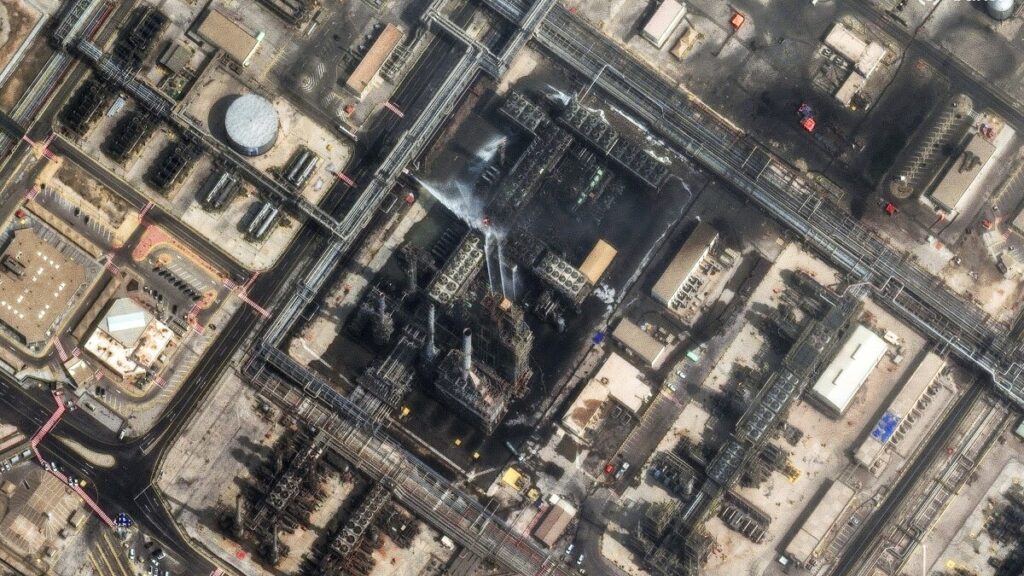
Tensions across West Asia continue to rise as military attacks spread across several countries. The latest escalation unfolded on Monday when a strike hit Bahrain’s largest oil refinery. The incident added fresh pressure on Gulf security and global energy markets. The conflict had already intensified after joint US-Israeli strikes killed Iran’s Supreme Leader Ayatollah Ali Khamenei earlier. Since then, Iran has launched retaliatory attacks across the region.
On Monday, thick smoke rose from the Bahrain Petroleum Company refinery in Sitra. Witnesses near the facility reported heavy smoke around the complex. Bahrain’s government confirmed injuries and damage in the area. Officials linked the attack to an Iranian drone strike. The refinery plays a major role in Bahrain’s energy sector. Therefore, the attack immediately raised fears about supply disruptions and wider regional instability.
Meanwhile, Saudi Arabia also faced aerial threats. Saudi air defence units tracked drones moving toward the Shaybah oilfield. The forces intercepted and destroyed four drones over the Rub al-Khali desert. Authorities confirmed that the drones aimed at energy infrastructure. Earlier, Saudi defence officials also reported attempts to strike the Prince Sultan Air Base and targets in Riyadh. Air defence units destroyed those incoming threats before impact.
At the same time, Qatar activated emergency security measures. The interior ministry warned citizens about an elevated security threat. Shortly afterward, Qatar’s defence ministry confirmed that armed forces intercepted a missile attack. Officials did not disclose the exact launch point. However, the incident signaled how quickly the conflict now spreads across Gulf nations.
The United Arab Emirates also reported incoming threats. Air defence systems activated after radar detected a missile heading toward the country. Defence officials said systems responded immediately to neutralize the danger. These developments show that Iran’s retaliation now stretches across several strategic Gulf states.
Meanwhile, Israel intensified its military campaign. Israeli forces launched fresh strikes inside central Iran. Military jets also targeted locations in Beirut that Israel linked to Hezbollah activity. Israeli officials argued that these sites supported Iranian regional operations. The strikes formed part of Israel’s broader campaign against Iranian military infrastructure.
Inside Iran, political developments unfolded rapidly. Iran’s Assembly of Experts selected Ayatollah Mojtaba Khamenei as the new Supreme Leader. Mojtaba Khamenei is the son of the late Ayatollah Ali Khamenei. State broadcaster IRIB confirmed the decision and announced the leadership transition. Soon after the appointment, Iranian state media reported the launch of a new missile wave targeting Israeli-controlled territories.
Iran’s powerful Revolutionary Guard Corps quickly endorsed the new leader. Commanders pledged loyalty and vowed to continue Iran’s military response. Judiciary chief Gholamhossein Mohseni Ejei welcomed the leadership transition and described it as a hopeful moment for the country. Senior security official Ali Larijani also supported the move and called the election fully legal.
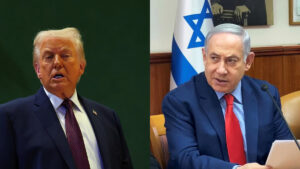
However, international reactions quickly followed. US President Donald Trump criticized the new Iranian leader. Trump described him as weak and predicted he would not last long without American approval. Israel also issued warnings. Israeli officials stated they would target any successor who continued Iran’s hostile policies.
Meanwhile, Israeli forces claimed a major battlefield success. The Israeli military announced a strike on the headquarters of the Revolutionary Guards’ air force. According to Israeli officials, the site controlled ballistic missile units, drone systems, and other air force operations. Israeli commanders said their forces hit more than 140 targets on Sunday alone as the campaign expanded.
The United States also adjusted its security posture in the Gulf. The US State Department ordered non-emergency embassy staff and family members to leave Saudi Arabia. Officials cited rising safety risks after drones struck the US embassy compound in Riyadh last week. Diplomatic missions in Kuwait and the United Arab Emirates also faced threats during the recent escalation.
Therefore, the conflict now enters a dangerous phase. Military strikes, leadership changes, and widening retaliation continue to reshape the security landscape across West Asia. Regional governments now prepare for further escalation as the confrontation deepens.