US claims it destroyed IRGC headquarters, calls strike ‘Head of the snake cut off’
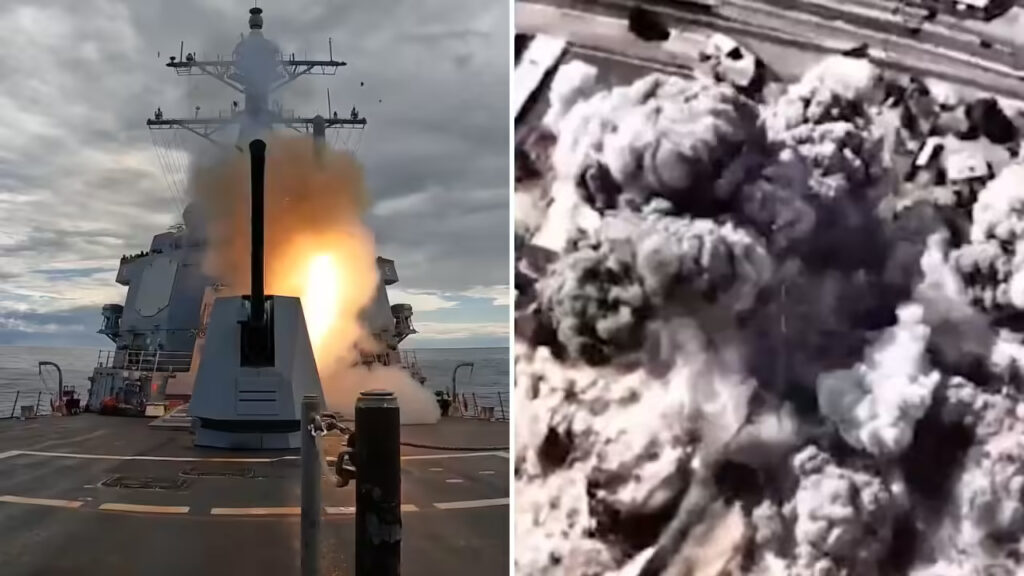
Amid rising tensions in the Middle East, the United States says it struck a major Iranian military target. On Monday, the United States Central Command announced that it destroyed the headquarters of Iran’s Islamic Revolutionary Guard Corps (IRGC). It described the operation as cutting off the “head of the snake.”
The command shared a video on X. The footage showed missiles launching from a US Navy warship. Moments later, explosions ripped through a large urban compound. Thick smoke rose as the structure collapsed.
CENTCOM said the IRGC had killed more than 1,000 Americans over the past four decades. Therefore, it framed the strike as a decisive response. It also praised US military strength. Officials said the United States holds unmatched firepower. They added that the IRGC no longer operates from its main headquarters.
However, the strike intensified an already volatile situation. Air raid sirens wailed across several cities in the region. Missiles targeted Tehran and parts of the Gulf during retaliatory attacks. As a result, fears of a wider war spread quickly.
The United States and Israel carried out a joint operation on Saturday. The attack reportedly killed Iran’s Supreme Leader, Ayatollah Ali Khamenei. His death marked a dramatic turning point. Many governments across the Middle East and beyond reacted with alarm.
In response, Iran vowed revenge. Iranian forces launched missiles and drones toward multiple targets in the region. Explosions followed in the United Arab Emirates, Saudi Arabia, Qatar, Bahrain, Oman and Israel. Authorities in those countries activated air defenses and urged residents to stay indoors.
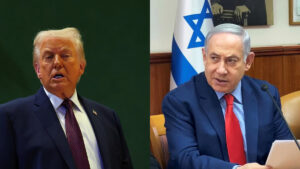
Meanwhile, US President Donald Trump signaled that the campaign may continue. In an interview with the The New York Times, he said the joint strikes could last four to five weeks. He expressed confidence in US capacity. He said the country stores large amounts of ammunition around the world. Therefore, he suggested that sustaining operations would not pose a challenge.
Trump repeated a similar message to the Daily Mail. He described the conflict as a planned four-week process. Earlier, in comments to The Atlantic, Trump said Iran’s leadership wanted talks. He confirmed that he agreed to speak with them. However, he did not reveal details about timing or participants.
At the same time, regional diplomacy continued. Oman has played a key mediating role in past US-Iran talks. On Sunday, Oman’s foreign minister spoke with Iran’s top diplomat, Abbas Araghchi. According to Omani officials, Iran signaled openness to serious efforts that could reduce tensions and restore stability.
Still, Tehran struck a defiant tone. Iranian President Masoud Pezeshkian called Khamenei’s killing a declaration of war against Muslims. He said Iran holds a legitimate right to punish those responsible. Likewise, Ali Larijani, who heads Iran’s Supreme National Security Council, warned of unprecedented retaliation.
The IRGC also claimed it launched large-scale attacks on US bases in the Gulf. As both sides exchange threats and strikes, the region faces deep uncertainty. For now, military action continues. Diplomatic channels remain open. Yet the risk of broader conflict grows with each passing day.