“35 Million could have died”: Trump on India-Pakistan crisis
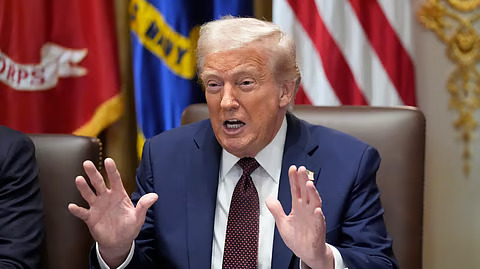
US President Donald Trump renewed his claim that he stopped a nuclear war between India and Pakistan. He spoke before Congress during his State of the Union address. He told lawmakers that his intervention prevented a massive catastrophe.
Trump said the conflict could have escalated into a nuclear exchange. He warned that both countries stood on the brink of war. He added that 35 million people could have died. He attributed that figure to Pakistan’s Prime Minister Shehbaz Sharif. Trump said Sharif told him millions would have perished without US involvement.
The President linked his claim to the military tensions that erupted in May 2025. The confrontation followed the April 22 terror attack in Pahalgam. Militants killed 26 civilians in that incident. In response, India launched strikes on alleged terror bases in Pakistan and Pakistan-occupied Kashmir. New Delhi carried out the action under Operation Sindoor. The strikes intensified cross-border tensions. Both sides exchanged fire. Global powers urged restraint.
Since then, Trump has repeatedly said he brokered a ceasefire. He has made the claim more than 80 times in recent months. He has argued that his administration used trade as leverage. According to him, Washington warned both countries against further escalation. He said he threatened to halt trade negotiations. He also warned of steep tariff hikes.
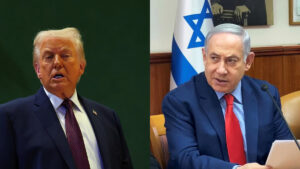
Earlier this week, Trump repeated the same assertion at his Board of Peace event. He described direct calls with leaders from both nations. He said he told them he would not sign trade deals unless they settled their dispute. He added that he threatened to impose 200 percent tariffs if fighting continued. Trump claimed that pressure pushed both sides toward an agreement.
However, India has not endorsed Trump’s version of events. New Delhi has maintained a different position. Indian officials have stated that direct talks between India and Pakistan led to the ceasefire understanding on May 10. They have insisted that no third party mediated the process. The government has emphasized bilateral dialogue as the only channel.
Meanwhile, Trump has offered varying details about the conflict. On different occasions, he has cited different figures regarding aircraft losses. He has mentioned jets being shot down during the hostilities. However, he has not clarified which country’s aircraft he referred to. These shifting details have drawn attention in diplomatic circles.
The India-Pakistan relationship has remained tense for decades. Both nations possess nuclear weapons. Therefore, any military escalation triggers global concern. In May 2025, the rapid exchange of strikes and counter-strikes alarmed the international community. Several countries called for restraint. Diplomatic channels worked actively behind the scenes.
Trump has framed the episode as a major diplomatic success. He has described his actions as decisive and timely. He has credited economic pressure as the turning point. Yet, Indian officials continue to reject claims of external mediation. Pakistan has not publicly contradicted Trump’s statements, but it has not issued detailed confirmation either.
As a result, the debate over who shaped the ceasefire continues. Trump stands by his claim. India stands by its position. The broader facts remain clear: tensions rose sharply after the Pahalgam attack, military action followed, and both sides stepped back from the brink. The diplomatic narrative, however, remains contested.