Delhi on high alert after intelligence flags Lashkar plot targeting temples near Red Fort
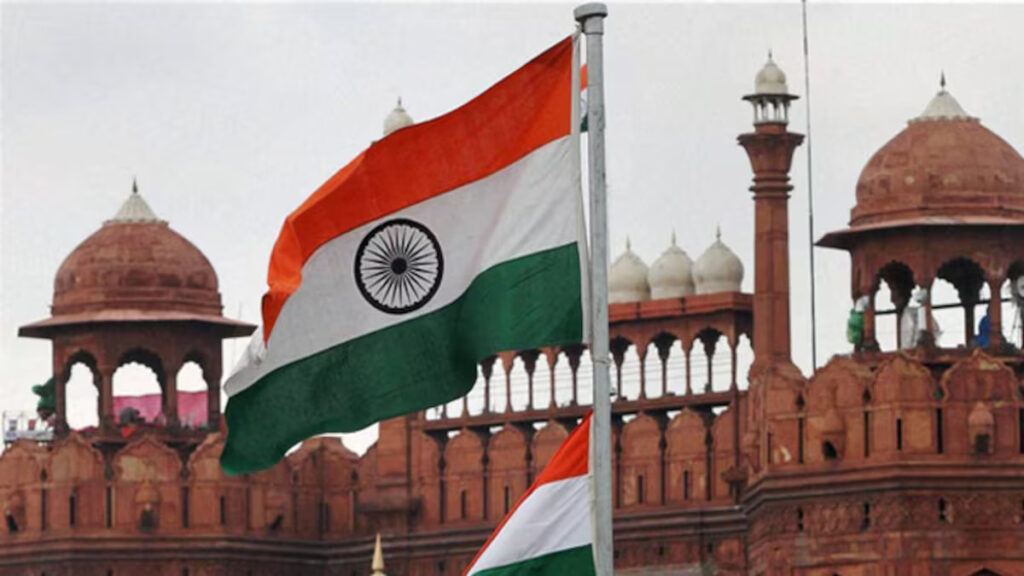
Security agencies in Delhi have raised a high alert after fresh intelligence warned of a possible terror plot in Old Delhi. Sources say Pakistan-based group Lashkar-e-Taiba plans attacks on crowded religious sites and heritage areas near the Red Fort.
Officials received inputs that operatives may try to plant an improvised explosive device in and around Chandni Chowk. The alert specifically mentions temples and busy public spaces that draw heavy footfall every day. Therefore, agencies have increased vigilance across the national capital.
According to intelligence officials, the suspected plan links to a recent explosion at a mosque in Islamabad on February 6. Investigators believe Lashkar handlers want to stage a retaliatory strike in India. As a result, agencies have warned that prominent temples across several cities could face potential threats.
Immediately after the alert, Delhi Police intensified ground action. Officers deployed additional personnel across Old Delhi. Teams began strict vehicle checks at entry and exit points. Bomb disposal squads started anti-sabotage inspections near temples, markets, and tourist hubs. Moreover, surveillance teams expanded CCTV monitoring in high-density areas.
Senior officers directed local police stations to stay on maximum alert. Quick reaction teams moved closer to sensitive zones. Meanwhile, intelligence units increased coordination with central agencies to track suspicious movements. Authorities also urged residents and shopkeepers to report unattended objects or unusual activity without delay.
This alert comes against the backdrop of a major terror attack that shook Delhi in November last year. On November 10, 2025, a powerful car bomb exploded near the Red Fort Metro Station. The blast killed at least 12 people and injured more than 20 others. Flames engulfed several nearby vehicles, and panic spread across the historic district within minutes.
Investigators later confirmed that the attackers used ammonium nitrate-based explosives in that strike. Forensic teams collected debris and human remains from the wreckage. Subsequently, agencies identified the suspected driver as Umar Mohammad, also known as Umar Un Nabi. He worked as a doctor linked to Al-Falah University in Faridabad.
DNA analysis matched samples recovered from the blast site with Umar’s profile. Officials concluded that he sat inside the explosives-laden Hyundai i20 when the device detonated. Investigators then traced his links to a wider terror module operating from neighbouring Haryana.
In the days following the blast, agencies carried out raids across multiple locations. Earlier, security teams had recovered nearly 2,900 kilograms of explosives from Faridabad. Officers arrested key suspects, including individuals identified as Dr Muzammil and Dr Adil Rather. Authorities believe these arrests disrupted a larger network that had planned coordinated strikes.
Sources involved in the probe said Umar triggered the explosion hours after the major seizure in Faridabad. Investigators suspect mounting pressure from the crackdown forced him to act quickly near the Red Fort. That premature detonation caused one of the deadliest incidents in Delhi in recent years.
Now, with fresh intelligence pointing to possible new threats, agencies refuse to take chances. Police continue round-the-clock patrols in Old Delhi. Central forces maintain close coordination with local units. At the same time, authorities stress that citizens must remain alert but avoid panic.
Security officials say they will review the situation daily and adjust deployment based on inputs. For now, Delhi stays on guard as agencies work to prevent any attempt to target its historic and religious landmarks.