
Heart surgeon explains why you should check your blood pressure twice daily to protect your heart
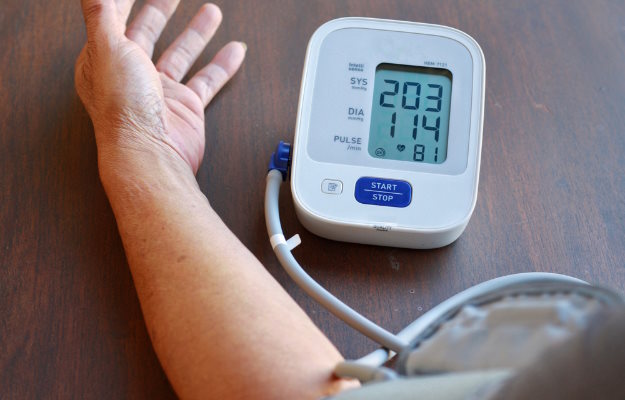
February marks Heart Health Month. Therefore, doctors urge people to focus on heart-related numbers. Blood pressure remains one of the most important indicators. Many people ignore it. Many people delay testing. As a result, problems grow silently.
High blood pressure affects millions worldwide. In the United States alone, nearly one in two adults lives with hypertension. Yet many remain unaware. That is why experts often call it the “silent killer.” It damages the heart, brain, and kidneys without early warning signs.
Against this backdrop, heart surgeon Jeremy London has issued a strong message. He urges people to monitor blood pressure regularly. He calls it the easiest risk factor to control. He also says small habits can deliver big health benefits.
Why Blood Pressure Matters
First, blood pressure reflects how hard the heart works. When pressure stays high, arteries stiffen. Over time, organs suffer. Heart attacks and strokes become more likely.
However, unlike many genetic risks, blood pressure responds to lifestyle changes. People can influence it through daily choices. Therefore, doctors consider it highly manageable.
Dr London stresses that weight control, regular exercise, and limited alcohol intake play major roles. These habits lower strain on the heart. They also improve circulation and metabolism.
Moreover, when lifestyle changes fail, medicines help. Doctors prescribe them based on individual needs. Patients must take them consistently. Skipping doses weakens protection. Discipline remains essential.
How Often Should You Check It?
Next, Dr London challenges common habits. Many people check blood pressure only once a year. They rely on clinic visits. That approach, he says, creates blind spots.
Instead, he recommends twice-daily checks. People should measure once in the morning. They should measure again in the evening. This routine builds a reliable average.
Blood pressure changes throughout the day. Stress raises it. Exercise alters it. Sleep and diet influence it. Therefore, one reading never tells the full story.
Regular tracking shows patterns. It reveals trends. It highlights gradual changes. As a result, doctors can adjust treatment early. Patients can modify habits in time.
Home Monitoring Works Better
Meanwhile, Dr London also supports home testing. Clinics often trigger anxiety. That stress can push numbers higher. Doctors call this “white coat effect.”
At home, people stay relaxed. They sit comfortably. They breathe normally. Therefore, readings become more accurate.
He advises buying a digital monitor. Reliable models cost little. Many people order them through platforms like Amazon. In India, prices often range between ₹1,500 and ₹2,000. This small investment protects long-term health.
Using these devices remains simple. Users wrap the cuff. They press a button. The screen shows results in seconds. Anyone can learn the process.
Lifestyle Still Comes First
Nevertheless, devices alone cannot solve the problem. People must act on the data. They must adjust routines. They must prioritize wellness.
For example, walking daily improves circulation. Eating less salt reduces pressure. Sleeping well balances hormones. Avoiding smoking protects vessels.
When people combine these steps, numbers improve steadily. Doctors see better outcomes. Patients feel more energetic. Hospital visits decline.
A Simple Message for Better Health
In summary, Dr London delivers a clear message. Do not wait for symptoms. Do not depend on annual checkups. Instead, take control daily.
Check blood pressure every morning and evening. Track the average. Share results with doctors. Follow medical advice. Stay consistent.
Managing heart health may seem complex. However, some steps remain simple. Monitoring blood pressure ranks among the easiest. Those who start today reduce future risks.
Ultimately, small actions now can protect years of life ahead.