India vs Pakistan T20 World Cup clash back on track after high-level talks and diplomatic push
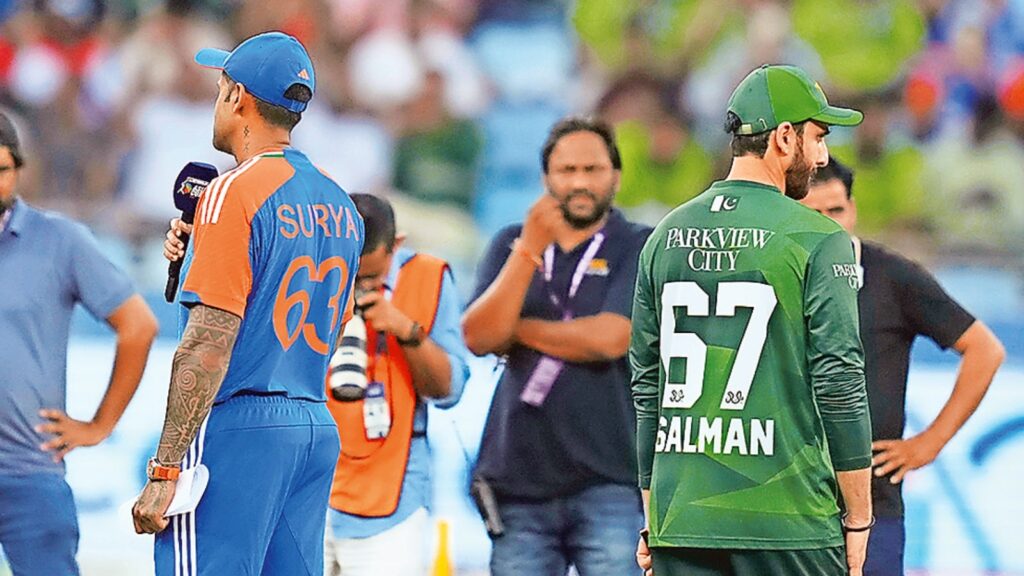
The India vs Pakistan Group A match in the Men’s T20 World Cup 2026 returned to schedule after days of intense negotiations. For nearly ten days, uncertainty clouded the marquee fixture. Political tension, administrative disputes, and financial risks combined to threaten the game. However, timely intervention helped restore stability.
Initially, the crisis began when the Pakistan government announced a boycott of the match. The decision followed Pakistan’s show of solidarity with Bangladesh after their exit from the tournament. Soon after, the Pakistan Cricket Board expressed strong reservations. As a result, anxiety spread within the International Cricket Council.
Meanwhile, ICC officials grew concerned. The India-Pakistan match generates major revenue. Broadcasters, sponsors, and host boards depend heavily on it. Therefore, any cancellation could have caused massive financial losses. Consequently, the ICC decided to act quickly.
Soon after, the ICC sent a two-member delegation to Lahore. Deputy Chairman Imran Khwaja and associate members’ representative Mubashir Usmani led the mission. They met PCB chief Mohsin Naqvi and Bangladesh Cricket Board president Aminul Islam at Gaddafi Stadium. The meeting lasted several hours. During this time, officials discussed grievances and possible solutions.
According to sources, Mubashir Usmani played a central role. From the beginning, he stayed actively involved. He contacted stakeholders. He coordinated discussions. He encouraged compromise. As talks progressed, he focused on protecting the interests of all parties.
Meanwhile, negotiations continued behind closed doors. Even after initial progress, fresh disagreements surfaced on February 9. Some clauses of the proposed settlement created fresh hurdles. Still, mediators refused to back down. Instead, they intensified back-channel communication.
At the same time, the PCB invoked the Force Majeure clause. The board cited political pressure and regional sensitivities. This move increased tension. However, the ICC kept the dialogue open. Officials stressed the long-term impact on global cricket.
Gradually, diplomatic efforts began to show results. Bangladesh softened its position. The ICC assured the BCB that it would face no sanctions. In addition, the council promised Bangladesh hosting rights for a future event before 2031. This assurance reduced resistance.
Soon after, the Pakistan government reconsidered its stance. Prime Minister Shehbaz Sharif granted clearance to the national team. However, he initially excluded the India match. This condition created another hurdle. Therefore, talks continued at the highest level.
Meanwhile, PCB chief Mohsin Naqvi held further discussions with ICC officials. He also consulted government representatives. At the same time, BCB president Aminul Islam urged Pakistan to reconsider. He emphasized regional cooperation and tournament stability.
Finally, on Monday night, a breakthrough arrived. The ICC confirmed that it would not penalize Bangladesh. Shortly after, Pakistan agreed to participate fully. The government lifted its objection. As a result, the India vs Pakistan match received formal approval.
The teams will now face each other on February 15 at the R Premadasa Stadium in Colombo. With this decision, organizers avoided a major crisis. Broadcasters resumed promotions. Sponsors regained confidence. Fans welcomed the news with relief.
In conclusion, sustained diplomacy, financial realities, and strong mediation helped resolve the standoff. The ICC, PCB, and BCB chose cooperation over conflict. Their coordinated efforts ensured that cricket’s biggest rivalry remains alive on the global stage.