White House softens language in India-US Trade Deal factsheet a day after release
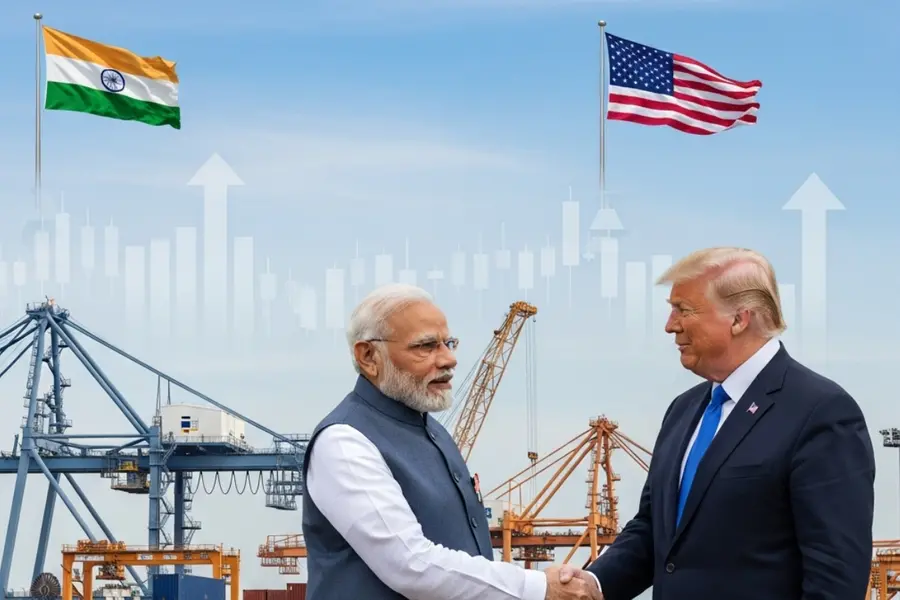
A day after releasing key details of the India-US trade agreement, the White House quietly revised several crucial terms. The changes softened commitments and removed sensitive references. As a result, questions have emerged about the deal’s final shape and political intent.
Earlier this week, India and the United States unveiled a framework for a reciprocal trade pact. Soon after, the White House published a factsheet outlining major provisions. The document aimed to signal progress and build confidence in the agreement. However, within 24 hours, officials altered several key lines.
Most notably, the original version stated that India “committed” to buying over $500 billion worth of American products. These included energy, technology, agriculture, coal, and other goods. Later, the revised document replaced “committed” with “intends.” This shift reduced the level of obligation. It also weakened the certainty around India’s future purchases.
At the same time, the updated factsheet removed the word “agricultural” from the list of product categories. Earlier, the document highlighted farm goods as a major focus. Now, the revised version presents a narrower scope.
Meanwhile, changes also appeared in the section on tariffs. Initially, the White House said India would eliminate or cut duties on all US industrial goods and a wide range of food and agricultural products. The list included dried distillers’ grains, red sorghum, tree nuts, fruits, soybean oil, wine, spirits, and certain pulses.
Later, the revised text dropped the reference to “certain pulses.” This removal suggested fresh caution over sensitive farm imports. It also reflected domestic concerns in India about protecting farmers.
In addition, the White House edited language on digital taxes. The first version claimed that India would remove its digital services tax. It also stated that both sides would negotiate strong digital trade rules.
However, the updated document no longer mentioned the removal of digital taxes. Instead, it only noted India’s commitment to negotiations. This change signaled ongoing disagreements in the digital economy space.
These revisions came days after both countries announced an interim trade framework. Under the proposal, Washington agreed to lower tariffs on Indian goods from 50 percent to 18 percent. In return, New Delhi promised to cut or remove duties on most US industrial and food products.
According to a joint statement, India plans to buy $500 billion worth of US energy, aircraft, metals, technology products, and coking coal over five years. This pledge forms a core pillar of the partnership.
Meanwhile, President Donald Trump also rolled back a 25 percent additional duty imposed on India last year. He cited India’s steps to reduce Russian oil imports. He also referred to New Delhi’s commitment to limit indirect purchases.
Against this backdrop, the edits to the factsheet appear strategic. On one hand, Washington seeks flexibility. On the other, it wants to avoid legal or political risks from firm promises.
Moreover, the quiet nature of the changes has drawn attention. Officials made no formal announcement. Instead, they updated the online document without explanation.
Looking ahead, both sides plan to sign the final agreement by mid-March. Until then, negotiators will continue refining terms. As talks progress, the revised language suggests caution, compromise, and ongoing bargaining at the highest level.