ICC Holds marathon talks with Pakistan, Shehbaz Sharif to take call on India match
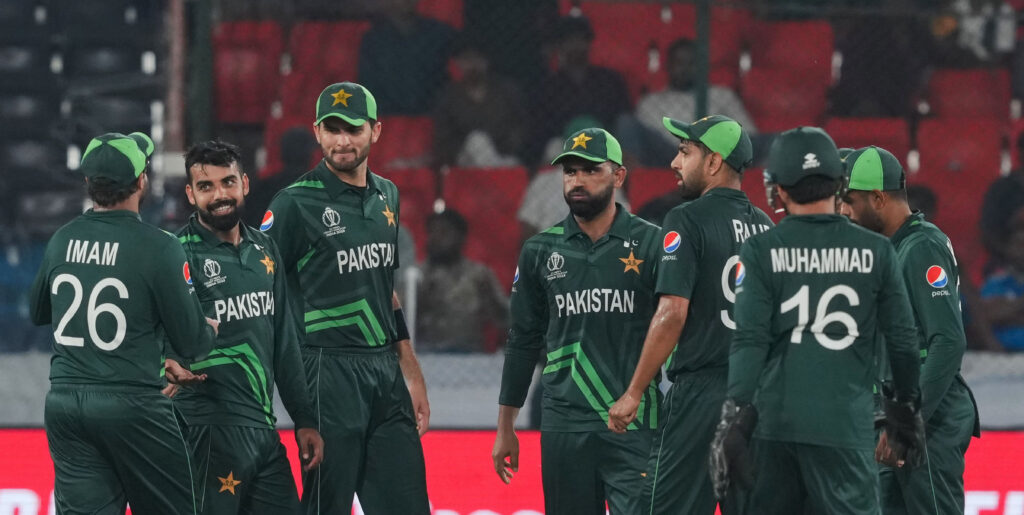
Uncertainty now surrounds the biggest match in world cricket. Pakistan may soon decide whether it will play India in the T20 World Cup 2026. After long talks with the ICC, the Pakistan Cricket Board plans to clarify its stand within 24 hours.
First, senior officials met in Lahore on Monday. The meeting took place at Gaddafi Stadium. It lasted more than five hours. PCB chairman Mohsin Naqvi led the talks. ICC Deputy Chairman Imran Khwaja joined him. Bangladesh Cricket Board president Aminul Islam also attended.
The timing added pressure. The India vs Pakistan group match stands scheduled for February 15 in Colombo. Fans across the world await this clash. Broadcasters have already promoted it heavily. Sponsors have invested large sums. Therefore, any uncertainty now worries stakeholders.
Earlier, on February 2, the PCB announced plans to skip the match. This decision shocked the cricket community. It also forced the ICC to act quickly. Soon after, officials began urgent negotiations to prevent disruption.
During the Lahore meeting, both sides discussed possible solutions. The ICC urged Pakistan to reconsider. It highlighted sporting and financial risks. It also stressed the tournament’s reputation. Meanwhile, Pakistan raised political and security concerns.
Next, the PCB decided to consult the federal government. Officials confirmed that they will seek guidance from Islamabad. Chairman Naqvi will brief Prime Minister Shehbaz Sharif. He will explain the ICC’s position. He will also outline possible outcomes.
Meanwhile, Naqvi plans to address the media. He may hold a press conference soon. Observers expect clarity after that briefing. The next 24 hours now appear crucial.
In addition, Bangladesh’s presence in the meeting drew attention. Aminul Islam arrived in Lahore shortly before talks began. His participation signaled regional coordination. Sources say Pakistan and Bangladesh aligned their views. Both boards now support a negotiated settlement.
The ICC wants to avoid a wider crisis. Officials fear disruption to schedules. They also worry about governance issues. Moreover, they aim to protect commercial stability. A cancelled India-Pakistan match could damage long-term planning.
Background shows why this match matters so much. India and Pakistan share cricket’s biggest rivalry. Their matches attract record audiences. Millions watch across Asia, Europe, and North America. Advertisers compete for slots. Ticket demand soars instantly.
Because of this, broadcasters pay premium fees. They rely on this fixture to recover investments. If Pakistan withdraws, networks may demand compensation. Sponsors may also renegotiate contracts.
As a result, financial losses could spread. Lower revenues would affect ICC earnings. Member boards would receive smaller payouts. Pakistan, Bangladesh, and other nations could feel the impact. Even India’s earnings might decline.
Furthermore, previous tournaments underline this pattern. In earlier World Cups, India-Pakistan games generated peak viewership. They boosted overall tournament ratings. They also increased digital engagement. Organisers now depend on this momentum.
At the same time, political tensions complicate matters. Relations between India and Pakistan remain fragile. Sporting ties often reflect diplomatic climates. Therefore, cricket decisions now carry strategic weight.
Still, the ICC prefers sporting continuity. It believes dialogue can resolve concerns. It hopes Pakistan will honor its schedule. Officials stress that fans deserve the contest.
Currently, security agencies also remain alert. Authorities in Sri Lanka have reviewed arrangements. They have promised tight protection. They aim to reassure both teams.
In conclusion, cricket now waits for Islamabad’s response. The PCB stands at a crossroads. It must balance politics, finances, and sporting spirit. The next decision could shape the tournament’s future. Within hours, the fate of cricket’s biggest rivalry may become clear.