Bangladesh heads to landmark polls as Tarique Rahman and Jamaat Leaders Lead race among 1,700 candidates
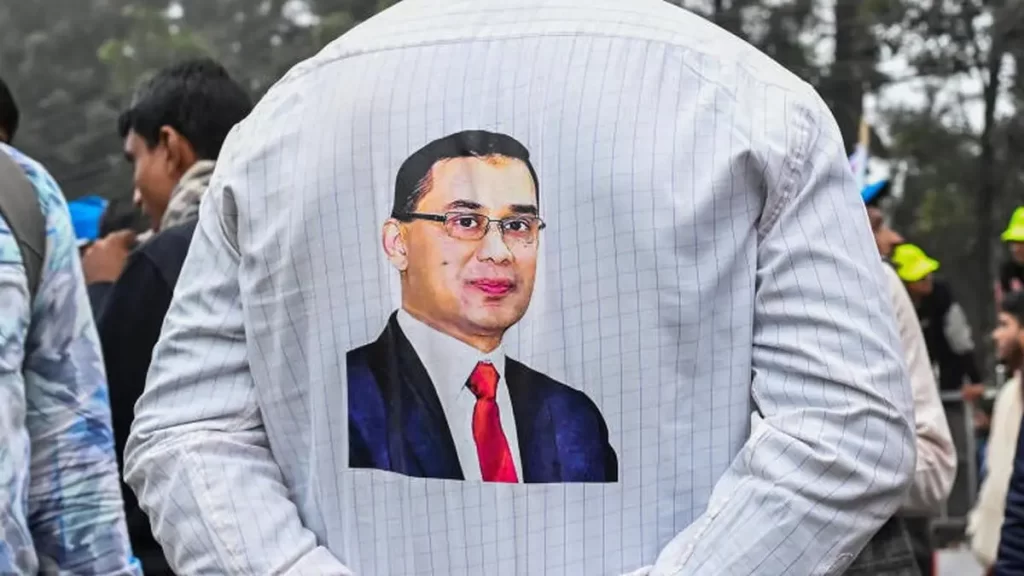
Bangladesh is set to enter a new political phase. On February 12, the country will hold its first general election since the student-led uprising of August 2024. That movement removed long-time Prime Minister Sheikh Hasina from power. Since then, politics has seen major change.
First, the Election Commission confirmed that nearly 1,700 candidates have joined the race. More than 50 political parties and several independents will contest 300 parliamentary seats. At the same time, voters will take part in a referendum on the July National Charter. Therefore, the election will shape both governance and reform.
Meanwhile, the Awami League remains out of the contest. Authorities banned the former ruling party after its removal in 2024. Later, the interim government extended restrictions due to security concerns. The Election Commission also cancelled the party’s registration. As a result, the Awami League cannot officially take part.
In contrast, the Bangladesh Nationalist Party has returned strongly. The BNP has fielded 288 candidates, the highest among all parties. Islami Andolan Bangladesh follows with 253 candidates. Jamaat-e-Islami has nominated 224. The Jatiya Party has 192, while Gono Odhikar Parishad has 90.
Therefore, BNP has emerged as the main force in this election. The party now operates under the leadership of Tarique Rahman. He is the son of former Prime Minister Khaleda Zia. After years in exile, Rahman returned to Dhaka in December. He then filed his nomination from the Dhaka-17 seat.
Earlier, BNP had stayed away from polls in 2014 and 2024. The party alleged vote manipulation under Hasina’s rule. However, it joined the 2018 election. Now, it has chosen full participation. Through this move, BNP aims to regain national influence.
At the same time, Jamaat-e-Islami has staged a comeback. Authorities had banned the party during Hasina’s tenure. After the 2024 uprising, it rebuilt its network. Its leaders have now filed key nominations. Party chief Shafiqur Rahman will contest from Dhaka-15. Secretary General Mia Golam Porwar will fight from Khulna-5. Other Jamaat-backed candidates have also entered the race.
Meanwhile, the Jatiya Party has joined the contest under GM Quader. Quader has filed from Rangpur-3. Party leaders have also nominated candidates in northern districts. Through this effort, the party hopes to retain its regional base.
Despite the ban, the Awami League continues to influence politics. Several former leaders now support independent candidates. Political analysts say these candidates may attract loyal voters. Although the party lacks formal status, its network still remains active.
Meanwhile, the interim government oversees the election process. Nobel laureate Muhammad Yunus leads the administration. He has promised a free and peaceful vote. He has described the election as a “grand festival” and a foundation for a “new Bangladesh.”
However, concerns persist. Recent attacks on media offices and incidents of violence have raised questions. Civil groups have urged authorities to ensure safety and transparency. Security agencies have increased patrols across major cities.
Notably, more than 127 million voters can cast ballots. Around 500 foreign observers from the European Union and the Commonwealth will monitor the process. Their presence aims to strengthen credibility.
Overall, Bangladesh now stands at a critical crossroads. With Tarique Rahman, Jamaat leaders, and independent candidates in the race, voters will decide the country’s future direction. The February 12 election may define the next chapter in Bangladesh’s democratic journey.