India-US Trade Deal signals new economic push with 18% tariff, $500 Billion investment, and Tech cooperation
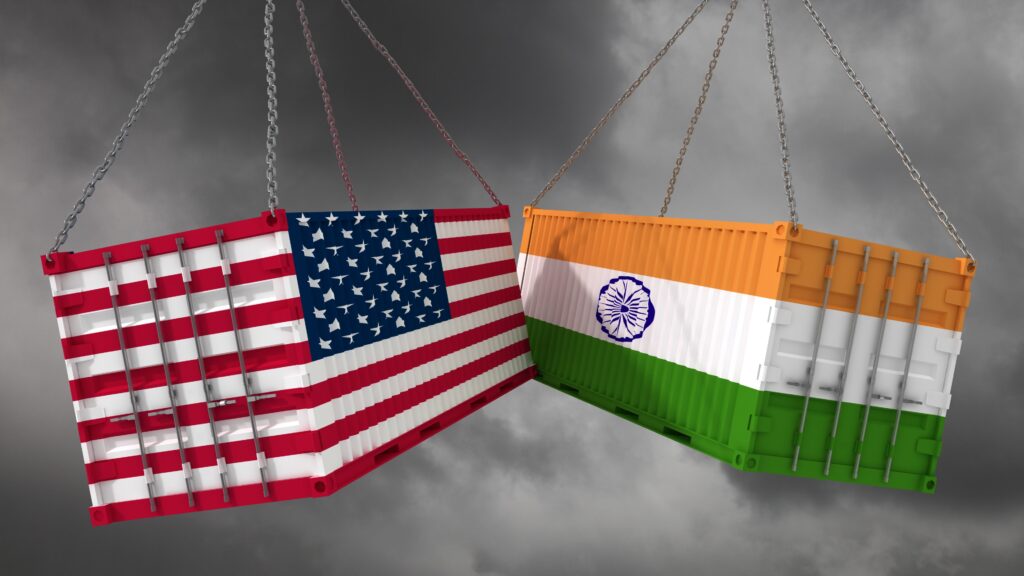
India and the United States have moved closer to a stronger economic partnership. Recently, both countries finalised an interim trade framework. This agreement lowers tariffs, boosts investment, and expands cooperation in technology. As a result, officials on both sides now call the deal a major step forward.
First, the agreement reduces US tariffs on Indian goods to a final rate of 18 per cent. Earlier, India faced tariffs of up to 50 per cent. This included a 25 per cent penalty linked to India’s purchase of Russian oil. Now, Washington has agreed to roll back these higher duties. Consequently, Indian exporters expect better access to the US market.
At the same time, India has promised to cut or remove tariffs on American industrial, food, and agricultural products. Therefore, US companies may find it easier to sell their goods in India. This move reflects New Delhi’s effort to balance trade and attract more foreign partners.
Next, both countries plan to end reciprocal tariffs on key Indian exports. These include medicines, gemstones, diamonds, and aircraft parts. By doing so, they aim to support manufacturing and strengthen supply chains. Industry leaders see this as a chance to expand production and exports.
Moreover, the deal focuses strongly on non-tariff barriers. India has agreed to review restrictions on US medical devices, farm goods, and information technology products. It will also simplify import licensing rules. These steps should reduce delays and improve market access.
In addition, within six months of the agreement’s launch, India will study whether it can accept US and global standards for imports. This review may help American firms enter the Indian market more easily. Likewise, India will reassess long-standing barriers on food and agricultural trade.
Meanwhile, investment commitments form another major pillar of the deal. According to official statements, India plans to purchase around $500 billion worth of US energy products, aircraft, metals, coal, and technology over the next five years. This pledge signals long-term confidence in bilateral trade.
Furthermore, digital trade has emerged as a key priority. Both sides have agreed to address practices that restrict online commerce. They aim to reduce regulatory hurdles and promote fair competition. As digital services grow, this section may shape future business models.
Technology cooperation also stands out. India and the US will work together to boost trade in advanced products such as graphics processing units for data centres. They will also expand joint research and innovation projects. This partnership could strengthen India’s digital infrastructure and support the global tech supply chain.
Additionally, the framework includes flexibility on tariffs. If either country changes duties in the future, both sides will adjust their commitments. This approach aims to prevent sudden disputes and maintain stability.
During upcoming negotiations for a broader trade agreement, the US has promised to review its existing tariffs on Indian goods. Officials will examine whether they can reduce or remove these duties. This step may further ease trade tensions.
Overall, the interim trade deal reflects a strategic shift. It combines tariff relief, major investments, and deeper cooperation in technology and digital trade. Through these measures, India and the US seek to build a more balanced and resilient economic relationship. If both sides follow through on their promises, the agreement could reshape bilateral trade in the coming years.