Didi vs Election Commission: Mamata Banerjee prepares to defend voter roll challenge in Supreme Court
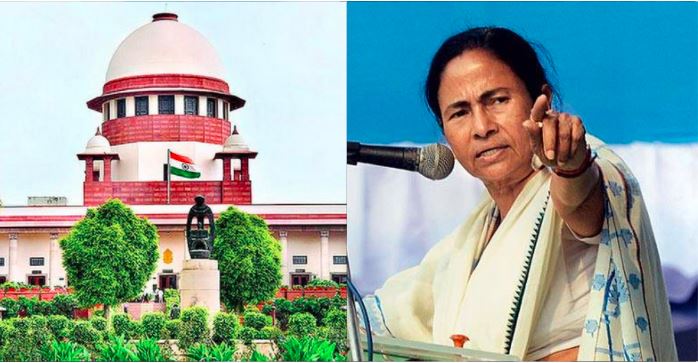
West Bengal Chief Minister Mamata Banerjee is preparing for an unprecedented legal move. She may soon become the first sitting chief minister to argue her own case before the Supreme Court. On Wednesday, the court is likely to hear her petition against the Election Commission of India’s Special Intensive Revision of electoral rolls.
If the court permits, Banerjee plans to present her arguments personally. She has trained as a lawyer. Therefore, she intends to take direct charge of her legal battle.
Meanwhile, her petition joins several similar pleas filed by Trinamool Congress leaders. All of them challenge the same voter revision exercise. Together, these cases seek to dismantle the process in West Bengal. They also demand that authorities conduct the 2026 Assembly elections using the existing 2025 voter list.
As a result, the dispute has entered a decisive phase.
Banerjee argues that the revision threatens voting rights. She claims the process risks large-scale disenfranchisement. According to her, officials use verification as a pretext to remove genuine voters. Hence, she has intensified her confrontation with the poll panel.
In her plea, she asks the court to cancel all orders linked to the revision. These include directives issued in June and October 2025. She also seeks a mandate that bars any alteration of the 2025 electoral roll.
Furthermore, she challenges the revision’s reliance on a 2002 baseline. She describes the verification rules as harsh and impractical. In her view, they burden ordinary voters and undermine democratic participation.
The petition highlights “logical discrepancies” as a major concern. These include spelling errors, name mismatches, and minor data variations. Banerjee says officials often treat such mistakes as serious violations. Consequently, many voters receive notices.
Therefore, she urges the court to stop hearings in these cases. Instead, she wants authorities to correct records automatically using existing documents. She also demands that officials publish all such cases online for public scrutiny.
In addition, Banerjee seeks several procedural safeguards. She asks the court to withdraw previous hearing notices. She wants protection for voters linked to the 2002 rolls who have submitted documents. She also insists that Aadhaar should serve as valid identity proof without extra paperwork.
Moreover, she calls for the public release of Form 7 recipients to prevent mass deletions. She supports giving local officers more power in migration cases. She also opposes the role of micro-observers in field verification and hearings.
At the same time, she stresses that authorities must accept state-issued documents. She wants field inquiries to follow official guidelines strictly. She also demands that complainants appear in person when filing objections.
Her petition follows recent Supreme Court intervention. Earlier, the court acknowledged the pressure faced by voters during the revision process. In January, a bench led by Chief Justice Surya Kant issued binding directions to the Election Commission.
The judges noted widespread stress among citizens. They pointed out that authorities had issued notices to more than one crore voters. The bench stressed that accuracy must not override fairness.
Consequently, the court ordered greater transparency. It directed officials to provide proper notices and assistance. It expanded hearing venues to local offices. It also mandated written acknowledgments for submissions.
Additionally, the court required public display of discrepancy lists. It allowed voters to seek help from relatives or party agents. These steps aimed to restore confidence in the system.
To prevent unrest, the bench placed responsibility on the state administration. It ordered district officials and police to ensure security. It also held the state police chief accountable for maintaining peace.
The court identified seven categories of discrepancies. These included missing names in old rolls, age gaps, gender mismatches, and unusual family links.
Against this backdrop, Banerjee’s move carries strong political weight. She has already accused the Election Commission of bureaucratic overreach. She claims the process targets marginalised communities.
Several TMC leaders have raised similar concerns. However, her personal appearance sets this case apart. It signals direct political engagement with the judiciary.
Meanwhile, the Supreme Court has reserved orders in similar cases from Bihar. That state conducted elections after a similar revision last year.
As West Bengal heads toward the 2026 polls, the outcome of this case may shape the electoral landscape. For now, Mamata Banerjee has chosen to fight on the front line—inside the courtroom.