US enters partial government shutdown after budget talks collapse, lawmakers eye quick fix
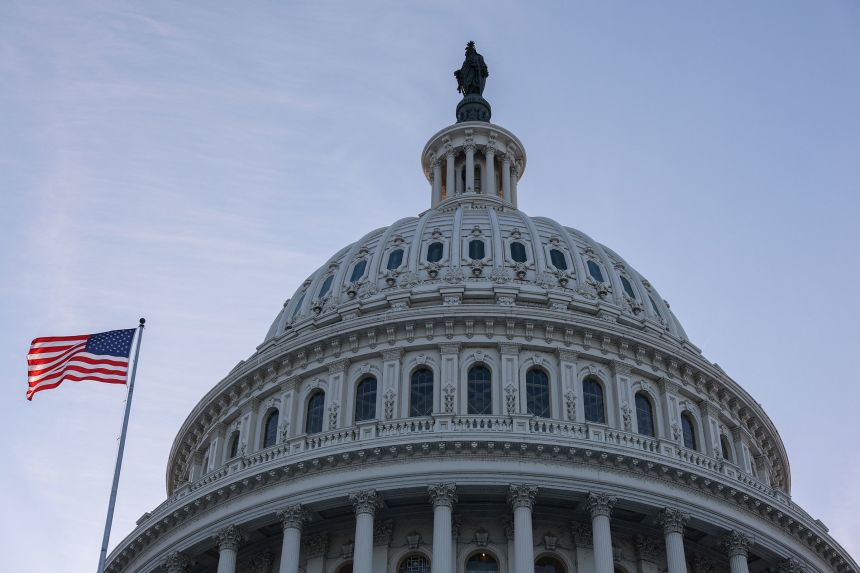
Washington slipped into a partial government shutdown early Saturday after Congress missed the midnight deadline to pass the 2026 federal budget. As funding lapsed, several government operations faced disruption. However, lawmakers signalled that the shutdown may not last long.
The breakdown followed stalled negotiations in Congress. Tensions rose after Democratic lawmakers expressed anger over the killing of two protesters in Minneapolis during an operation by federal immigration agents. According to officials familiar with the talks, this issue derailed discussions on fresh funding for the Department of Homeland Security. As a result, Congress failed to reach consensus before the deadline.
With no agreement in place, federal funding expired at midnight. Consequently, several non-essential government functions prepared to pause. Agencies began implementing shutdown plans while congressional leaders worked to revive talks. Lawmakers now aim to pass either a short-term stopgap bill or a full-year funding measure when the House reconvenes.
Despite the disruption, leaders in both chambers suggested optimism. The Senate has already backed a funding deal. House leaders indicated they could take up the bill early next week. If the House approves the measure swiftly, government operations could resume within days.
An administration official said agencies could restart work as early as Monday. This timeline depends on early action in the House. Therefore, the shutdown may remain brief if lawmakers move quickly.
This marks the second shutdown in the past year. It comes just 11 weeks after the end of the previous funding standoff. That earlier impasse lasted 43 days and became the longest government shutdown in US history. In comparison, the current shutdown affects a smaller portion of the federal government.
Several departments already secured full-year funding through the end of the fiscal year on September 30. These include the Department of Agriculture, which oversees food assistance programmes such as food stamps. As a result, benefits under those programmes continue without interruption. National parks, veterans’ services, and the Justice Department also remain funded.
However, other major agencies face uncertainty. A memo from the White House Office of Management and Budget outlined the impact. According to the memo, departments such as Treasury, Defense, Homeland Security, Transportation, Health and Human Services, and Labor must begin formal shutdown procedures. These steps include furloughing non-essential staff and pausing selected activities.
Meanwhile, congressional leaders continued outreach efforts. They worked to gather enough votes to ensure passage of the Senate-backed deal in the House. Party leaders also urged members to avoid prolonging the shutdown, warning of economic and administrative fallout.
The political backdrop added complexity. Immigration policy and federal law enforcement actions have remained flashpoints in recent months. The Minneapolis incident intensified divisions, particularly over DHS funding and oversight. As talks collapsed, neither side showed willingness to compromise before the deadline.
Still, both parties now face pressure to act. Federal workers, contractors, and the public await clarity. Even a short shutdown can delay services, disrupt planning, and raise uncertainty across agencies.
For now, Washington braces for limited disruption. Lawmakers return to the Capitol early next week. All eyes remain on the House floor. If leaders secure quick approval, the shutdown could end almost as soon as it began.