India–US Trade talks near finish line as Piyush Goyal says no sticky issues remain
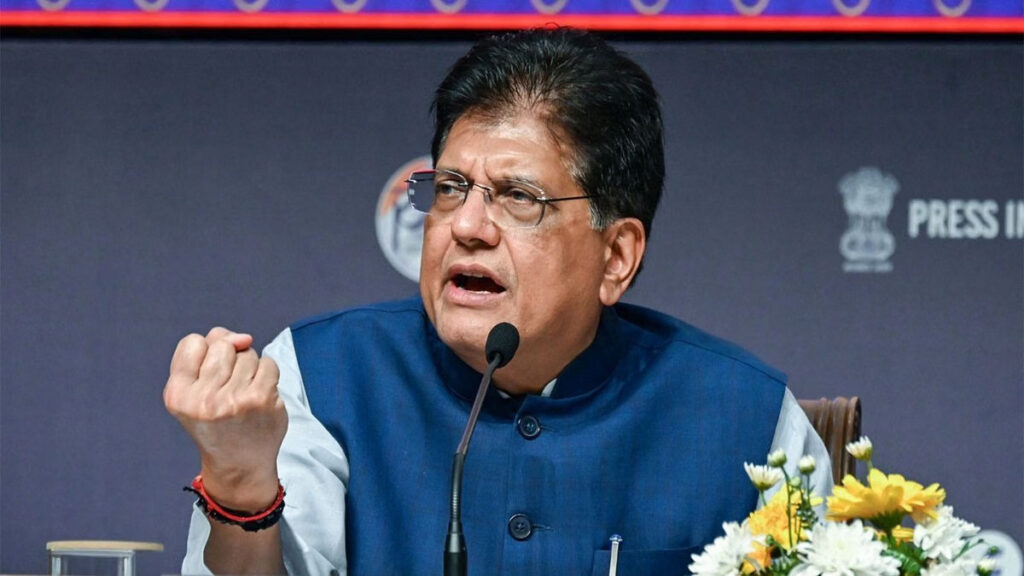
New Delhi saw fresh momentum in trade diplomacy on Friday. Union commerce and industry minister Piyush Goyal said India and the United States have moved close to concluding their bilateral trade talks. He stated that no “sticky issues” remain unresolved. As a result, both sides can now work towards closure.
Goyal made the remarks days after India and the European Union announced the successful conclusion of negotiations on a free trade agreement. Against this backdrop, he underlined a clear shift in India’s trade approach. India, he said, no longer negotiates from hesitation. Instead, it negotiates with confidence and long-term vision.
According to Goyal, India’s strategy now aligns with its future goals. He stressed that engagement with the developed world remains essential for a developed India. He added that isolation offers no path to growth. Therefore, India continues to expand trade ties with major economies.
Turning to the EU talks, Goyal recalled that negotiations began in 2022. Since then, he said, both sides showed consistency and seriousness. Although elections in India and Europe slowed progress in 2024, talks regained pace later that year. After Europe formed a new government, it appointed senior commissioner Maroš Šefčovič to lead negotiations. Goyal said Šefčovič met him multiple times and worked to resolve sensitive areas.
Importantly, both sides chose a practical path. They decided early to keep sensitive issues aside. This approach, Goyal noted, helped move talks forward. As a result, the agreement reached the finishing line.
On ratification, Goyal expressed confidence. He said legal review usually takes a few months. After that, the agreement will go to European parliaments. He expects the process to conclude within 2026.
Climate-related concerns also featured in the talks. Goyal said Europe acknowledged India’s efforts on climate action. He added that the agreement protects India from business losses through safeguard clauses. Therefore, he ruled out fresh expansion of carbon-related barriers.
Mobility of skilled workers also formed part of the agreement. Goyal explained that EU member states hold authority on migration. However, several countries, including Germany, have already moved forward. He highlighted India’s strength in providing skilled and law-abiding workers.
Reflecting on recent FTAs with the UK and EU, Goyal pointed to a major change. He said global partners now respect India’s political stability and economic scale. Earlier, India negotiated based on its present economy. Now, it negotiates based on its future. He credited Prime Minister Narendra Modi for this shift. According to him, India negotiates for its $30 trillion economy of 2047.
This confidence, he said, delivers better outcomes. India now negotiates as an equal or stronger partner. Consequently, it secures favourable deals.
Goyal also addressed concerns around domestic industries. On automobiles, he said Indian manufacturers remain protected due to cost structures. On labour-intensive sectors, he said the EU deal offers major gains. Most exports now face zero duty from day one. This change, he added, places India on par with competitors like Bangladesh.
Finally, Goyal returned to the US talks. He said engagement remains active and positive. India, he stressed, never negotiates with deadlines. Instead, it announces deals once both sides feel satisfied. With no sticky issues left, he said, India and the US can now move steadily towards closure.
Overall, India’s trade push continues. Manufacturing, services, innovation, and exports remain key priorities. Goyal concluded that no country has achieved development without global engagement. India, he said, will continue to stay firmly connected to the world.