Iran Adds 1,000 Strategic Drones as US Weighs Military Options and Global Pressure Mounts
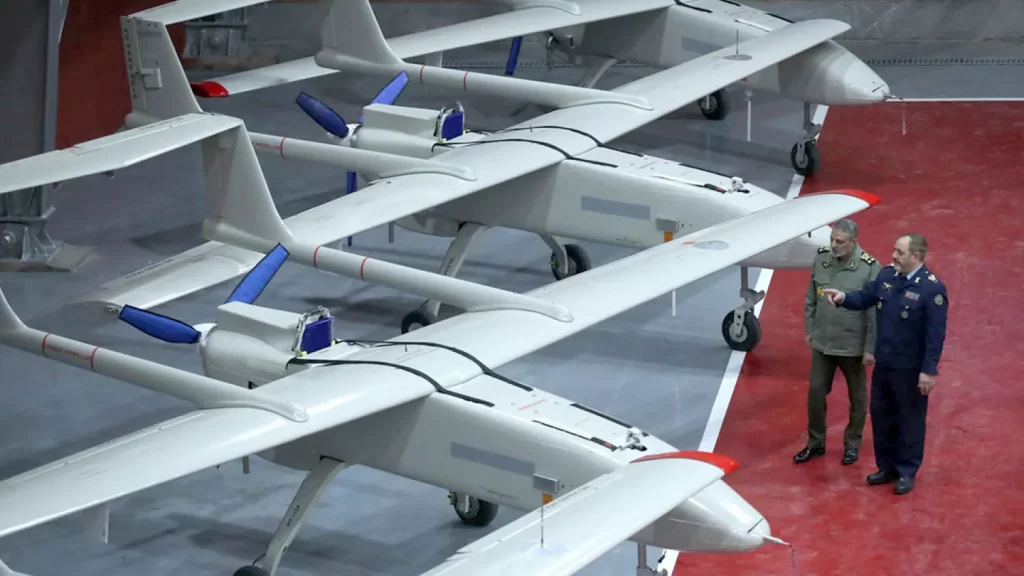
Tensions between Iran and the United States continue to rise as Tehran signals military readiness and Washington keeps its options open. On Friday, Iranian media reported that Iran has added 1,000 new “strategic drones” to its armed forces. The move comes amid fears of possible US strikes.
Tasnim, a semi-official news agency linked to Iran’s Revolutionary Guard, said the drones now strengthen all four wings of Iran’s military. Iranian officials described the deployment as a deterrent step. They said the country must stay prepared for any external threat.
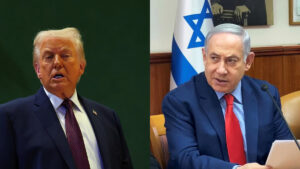
Meanwhile, US President Donald Trump signalled a mixed approach. On Thursday, he said he wanted to avoid military force against Iran. However, he also confirmed that the US has expanded its military presence in the Middle East. Another warship has entered the region, adding to pressure on Tehran.
In the background, Trump continues to review a wider range of options. These include possible commando-style operations targeting Iran’s nuclear facilities. US officials say concern over Iran’s nuclear programme remains high. Western powers believe Tehran seeks the capability to build an atomic weapon.
Earlier, Trump warned Iran over its handling of anti-government protests. Demonstrations began in late December and peaked in early January. Security forces responded with force. According to Reuters, Iranian authorities detained thousands of people to curb further unrest. Human rights groups have raised alarms over the crackdown.
Although Trump earlier linked possible action to protest deaths, his tone has shifted. Now, he focuses more on nuclear issues. On Wednesday, he said time is running out for Tehran to reach a deal. He also said a US naval strike group in Middle East waters stands ready to act.
At the same time, Tehran has hardened its stance. Iranian military officials warned that any US attack would trigger an immediate response. Brigadier General Mohammad Akraminia said Iran would not limit its reply. He stressed that Tehran would act faster and harder than during last year’s brief clashes involving Israel and the US.
Meanwhile, Israel has urged stronger action. Israeli officials want Washington to join fresh strikes against Iran’s ballistic missile programme. Intelligence sources told The New York Times that Iran has rebuilt much of its missile capability after damage during a 12-day conflict last June. Israeli leaders say the missiles threaten both civilian and military targets.
Adding to Iran’s isolation, the European Union took a major step on Thursday. The EU officially labelled Iran’s Islamic Revolutionary Guard Corps as a terrorist organisation. EU chief Ursula von der Leyen said the decision reflected Iran’s violent suppression of protests. She called the move long overdue.
Alongside the designation, the EU approved visa bans and asset freezes. The measures target 21 Iranian officials and state bodies. Those listed include the interior minister, the prosecutor general, and senior IRGC commanders.
Iran reacted sharply. The foreign ministry warned of destructive consequences. Foreign Minister Abbas Araghchi called the EU decision a strategic mistake. Iran’s military accused Europe of acting under pressure from the US and Israel.
For now, diplomacy and confrontation move side by side. Trump says he still wants talks. Tehran, however, continues to show strength. As drones deploy, sanctions expand, and warships gather, the risk of miscalculation grows across the region.