Ex-Pak cricketer slams ICC over Bangladesh T20 WC exclusion; Pakistan weighs protest
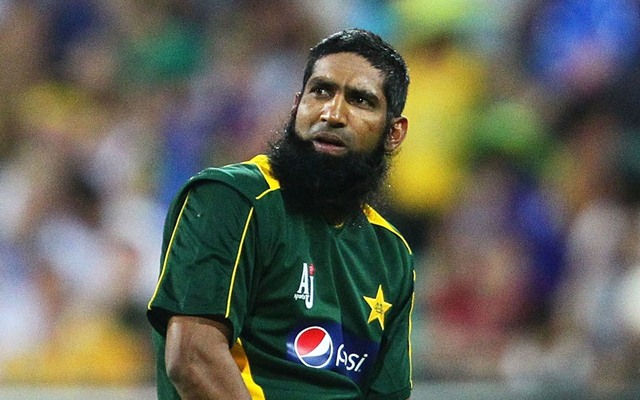
Former Pakistan cricketer Mohammad Yousuf sharply criticized the International Cricket Council (ICC) for sidelining Bangladesh’s security concerns, which led to their removal from the T20 World Cup 2026. The tournament, scheduled in India and Sri Lanka, originally included Bangladesh. However, the team refused to travel to India, citing security threats.
The ICC reviewed Bangladesh’s concerns but concluded there was no credible or verifiable threat to the players. Consequently, the council replaced Bangladesh with Scotland. This decision sparked intense debate across the cricketing world. Many analysts and former players questioned the ICC’s judgment and fairness.
Mohammad Yousuf highlighted the massive Bangladeshi viewership that the T20 World Cup will now miss. “The combined cricket viewership of New Zealand, Australia, Scotland, Nepal, Netherlands, Ireland, Namibia, Zimbabwe, Sri Lanka, and Afghanistan equals 178 million. Bangladesh alone generates 176 million,” Yousuf noted on X. He argued that excluding Bangladesh undermines the global appeal of the tournament.
Yousuf also criticized the ICC’s governance, pointing out selective accommodation in cricket administration. “Sidelining Bangladesh’s legitimate security concerns raises serious questions about consistency and governance. When accommodation becomes selective, fairness disappears. Cricket cannot be run by influence — only by principle,” he said.
Meanwhile, the Pakistan Cricket Board (PCB) voiced strong support for Bangladesh. Reports indicate the PCB is considering several protest options, including not playing its group-stage match against India on February 15 in Colombo, Sri Lanka. Sources suggest that Pakistan could even withdraw entirely from the tournament if the ICC does not address the issue to their satisfaction.
PCB Chairman Mohsin Naqvi confirmed that the board will finalize its decision by January 30 or February 2. The final call will determine whether Pakistan joins the tournament or takes a stand alongside Bangladesh. Analysts say this situation could set a precedent for how teams raise security concerns in future ICC events.
The ICC’s handling of Bangladesh’s withdrawal has raised broader questions about fairness in international cricket. Critics argue that decisions appear influenced by commercial interests rather than the safety and concerns of member nations. Fans and experts alike have expressed disappointment that one country’s security concerns were dismissed, despite the global focus on player safety.
This controversy also highlights the delicate balance between tournament logistics, audience engagement, and team security. With major cricketing nations watching closely, the ICC faces pressure to maintain credibility and ensure that principles guide decisions rather than influence.
As the T20 World Cup approaches, all eyes remain on the ICC and the PCB. The cricketing community is watching whether Pakistan will play against India or join Bangladesh in protest. The outcome could significantly impact international relations within cricket and the perception of the ICC as a fair governing body.