UGC regulations trigger resignations, protests, and political tension
The controversy over the University Grants Commission’s (UGC) new “Equity in Higher Education Institutions Regulations, 2026” has escalated rapidly. The rules, notified earlier this month, aim to strengthen mechanisms in universities to address caste-based discrimination.
However, critics argue the guidelines are vague, one-sided, and open to misuse. This has sparked protests, resignations, and political unease across the country.
The regulations require all higher education institutions to establish Equal Opportunity Centres, Equity Committees, and 24/7 grievance helplines. They specifically focus on complaints from SC, ST, and OBC students. The UGC maintains that these measures promote fairness and inclusion on campuses.
Yet opponents highlight key issues. They say the rules do not clearly protect those accused of discrimination. They argue the regulations risk presuming guilt, especially against general-category students and faculty. Non-compliance could result in severe penalties, including loss of recognition or funding. Critics have demanded a rollback or urgent review of the rules.
The row intensified after a senior bureaucrat resigned, citing disagreements with both the policy and the handling of dissent. Soon after, a BJP youth leader stepped down, claiming the regulations were fostering division rather than reform. Both resignations have drawn attention to the wider administrative and political opposition to the UGC rules, showing the debate extends beyond student protests.
Meanwhile, the government has avoided direct answers. When asked, Minister of State for Home Affairs Nityanand Rai did not confirm whether the regulations would be reviewed or paused. Officials have not provided any timeline for consultations or possible amendments.
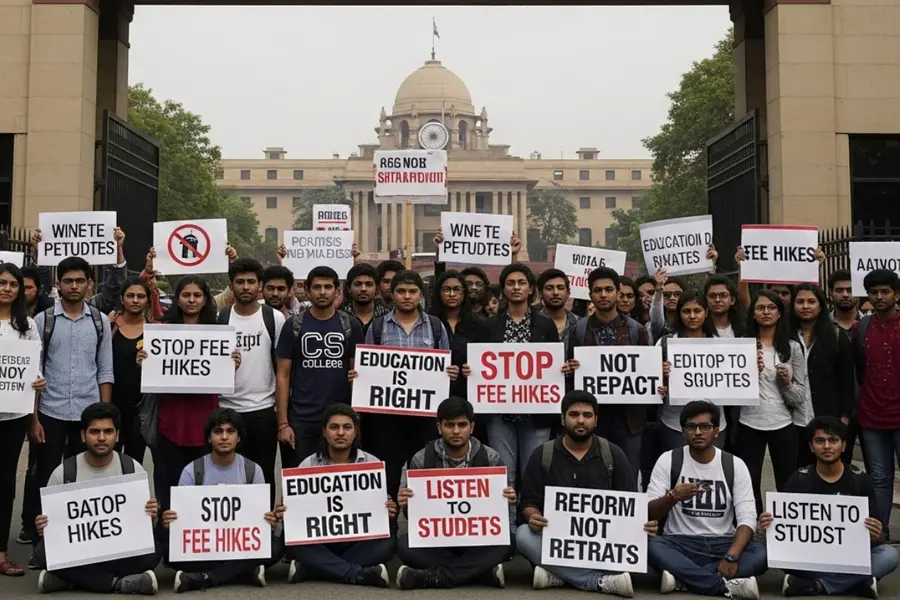
Observers note that what began as a technical regulatory change has now become a political and ideological flashpoint. The rules highlight a tension between addressing caste discrimination and safeguarding due process. Critics fear campus polarization, while supporters insist the measures are necessary for equality. Protests by students and teachers have spread to multiple universities, adding pressure on the Centre to respond.
With resignations piling up and public debates intensifying, the controversy shows no signs of fading. Analysts suggest that the government must clarify whether it will maintain the regulations in their current form or consider modifications. Universities now face uncertainty over compliance, and the larger discussion about fairness, accountability, and campus governance is gaining national attention.
As the UGC row deepens, one thing is clear: higher education policy in India has entered a politically charged and highly sensitive phase, where administrative decisions, student activism, and political stakes intersect. The coming weeks may determine how the Centre balances reform with safeguards and addresses concerns from all sides.