India pushes for easier EU steel scrap access to offset carbon tax impact
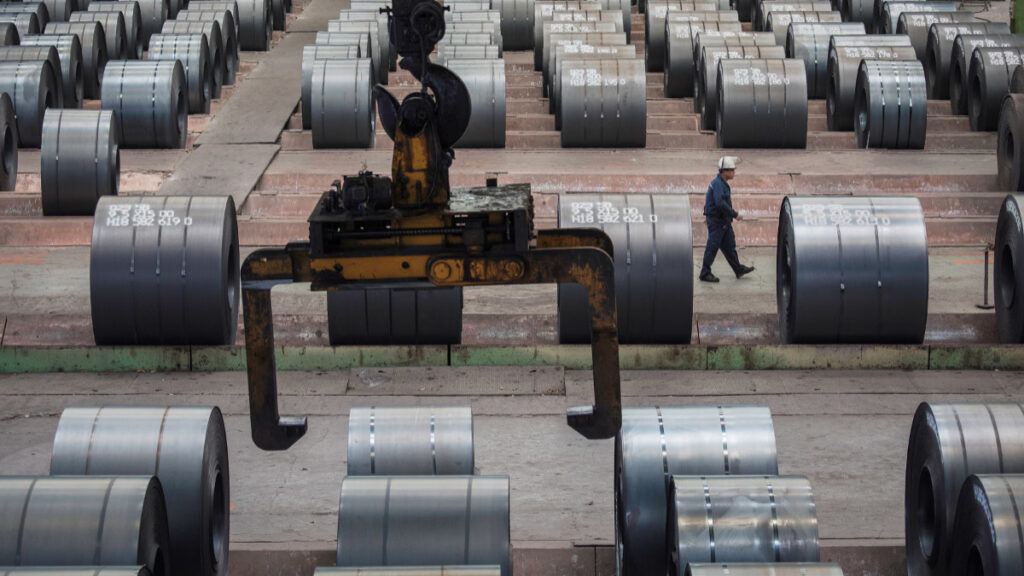
India has requested easier access to steel scrap from the European Union to ease the impact of the bloc’s new carbon-linked import duty. The move came during discussions under the upcoming India-EU trade deal. Officials highlighted that the EU’s Carbon Border Adjustment Mechanism (CBAM), combined with its recycling rules, restricts metal exports.
Indian manufacturers argued that CBAM acts as a non-tariff barrier. It limits scrap exports from the EU to other countries while supporting domestic production. The EU remains the world’s largest steel scrap producer. Scrap is essential for low-carbon steel production. By contrast, India largely uses blast furnace-based production, which generates higher carbon emissions.
During a Board of Trade meeting under the Commerce Ministry, the Engineering Export Promotion Council flagged that CBAM would force Indian manufacturers to adopt electric arc furnace (EAF) technology. However, sourcing scrap from the EU remains challenging due to its recycling policy. Officials said this combination effectively blocks India from complying with EU carbon standards without sufficient scrap access.
The Indian government plans to boost scrap use under its Green Steel Initiative. The initiative aims to raise scrap’s share in steelmaking to 50 percent by 2047. Using scrap through EAF or induction furnaces can reduce carbon emissions by 1.5 metric tonnes per ton of scrap. It also cuts energy consumption by nearly 75 percent compared to blast furnace routes, according to the World Steel Association.
Despite these benefits, scrap currently makes up only 20 percent of India’s steel feedstock. Domestic supply caps at around 25 million metric tonnes annually. Analysts warn that India faces rising import dependence as global scrap availability tightens. Boston Consulting Group projects EU scrap exports could fall by 25 percent by 2030. Export restrictions and taxes in countries like China and Russia further limit supply.
India imports most of its ferrous scrap from developed markets, including the US, UK, and EU. However, these nations now prioritize domestic decarbonization, shrinking export volumes. Reports indicate that the EU’s scrap exports reached a peak of 19.43 million tonnes in 2021. To meet environmental goals, the EU encourages circular use of scrap, sorting and treating it for high-quality applications like automotive.
Trade experts warn that CBAM may impose a 20-35 percent additional tax on metals such as steel, aluminum, and iron. Such measures threaten India’s exports while increasing input costs for domestic manufacturers.
Officials emphasized that India’s negotiation for easier EU scrap access is crucial. It would allow manufacturers to adopt cleaner production methods while remaining competitive in the EU market. As global trade tightens and carbon-linked duties rise, access to quality scrap will determine how effectively India decarbonizes its steel sector without harming its industrial growth.
India’s push signals a strategic move. The government wants both sustainable production and international market access. Negotiators continue to urge the EU to relax scrap restrictions under the FTA framework, balancing climate goals with trade needs.