Delhi reimposes GRAP Stage 3 as fog, cold and pollution hit NCR
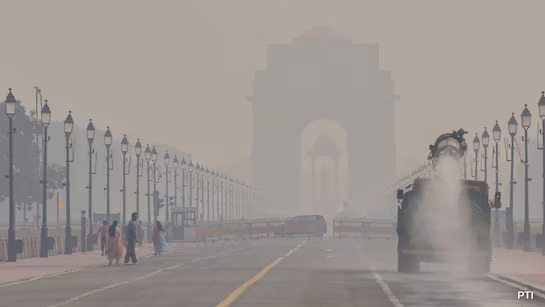
New Delhi – Delhi faces a harsh winter morning once again. Dense fog cuts visibility across the National Capital Region. At the same time, icy winds drag temperatures down. Meanwhile, air quality slips back into the severe zone. Therefore, authorities act quickly. The Commission for Air Quality Management (CAQM) reimposes Stage 3 restrictions under the Graded Response Action Plan (GRAP).
Earlier this week, residents saw brief relief in pollution levels. However, the improvement did not last. As temperatures dipped further, smog thickened again. Consequently, pollution monitors flagged a sharp spike. Officials confirmed that AQI readings crossed the severe threshold in several hotspots, including Anand Vihar, RK Puram and Punjabi Bagh.
On Friday morning, Delhi recorded minimum temperatures near 6°C. Cold winds intensified discomfort. Simultaneously, fog blanketed highways and railway tracks. As a result, traffic slowed across border routes connecting Ghaziabad, Noida and Gurugram. Flights reported delays due to low visibility. Commuters struggled through long queues and slow-moving vehicles.
Ground reports from East Delhi highlighted worsening conditions. At Anand Vihar, visibility dropped drastically in early hours. Drivers switched on hazard lights even after sunrise. Moreover, traffic police deployed extra teams to manage congestion. Still, vehicles crawled along major corridors.
Because pollution levels surged alongside fog, CAQM enforced GRAP Stage 3 without delay. Under these rules, authorities tighten restrictions to prevent further air deterioration. First, officials curb construction and demolition activities across NCR. Next, they halt operations that generate dust and emissions. In addition, authorities restrict certain categories of vehicles, especially older diesel models.
Further, schools receive advisories to reduce outdoor exposure for children. Health experts warn residents to avoid morning walks in polluted zones. Doctors also urge the elderly and asthma patients to remain indoors during peak smog hours.
Importantly, GRAP Stage 3 focuses on reducing vehicular and industrial pollution quickly. Hence, enforcement teams step up inspections. Civic bodies monitor road dust. At the same time, pollution control units intensify checks at industrial clusters on Delhi’s borders.
Delhi experiences severe winter pollution almost every year. This time, however, weather conditions worsen the crisis further. Fog traps pollutants near ground level. Cold air prevents dispersion. Consequently, smog lingers longer than usual.
Residents report burning eyes, throat irritation and breathing difficulty. Hospitals note a rise in respiratory complaints. Therefore, authorities stress strict compliance with GRAP measures. Officials say these steps aim to stabilize air quality until weather conditions improve.
As forecasts predict continued fog and low temperatures, Delhi braces for more disruptions. Meanwhile, pollution control remains the top priority for agencies across the capital.