Iran halts 800 planned executions after Trump warning, White House confirms
Iran has stepped back from plans to carry out 800 executions after a direct warning from U.S. President Donald Trump. The White House confirmed the development on Thursday. The move comes amid intense international scrutiny over Tehran’s violent crackdown on nationwide anti-government protests.
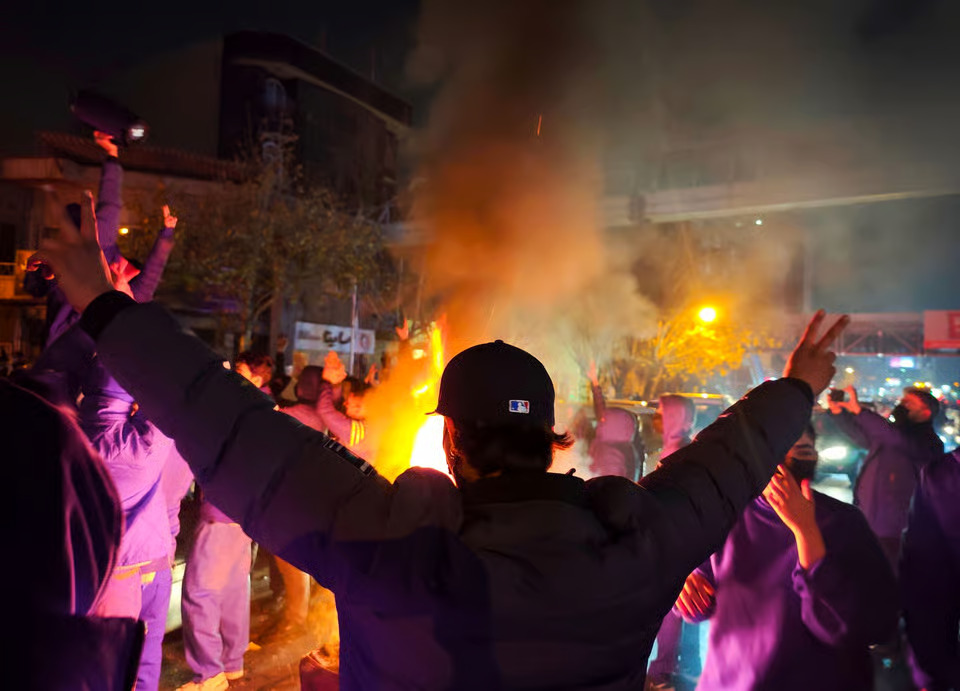
According to the White House, President Trump and his team issued a clear message to Iranian officials. They linked the planned executions to the ongoing repression of protesters. Human rights groups say the unrest has already claimed more than 2,600 lives across Iran.
White House Press Secretary Karoline Leavitt addressed the issue during a briefing. She said the administration learned that Iranian authorities stopped the executions scheduled earlier this week. She stressed that the president continues to monitor the situation closely.
Leavitt added that Trump warned Tehran of serious consequences if the killings continued. She said the president kept all options open, including military action. She also noted that the administration remains prepared to escalate pressure if Iran resumes executions or violence.
Meanwhile, Washington tightened its stance. Hours before the briefing, the U.S. imposed fresh sanctions on five Iranian officials. The administration accused them of directing the violent response against protesters. At the same time, U.S. agencies began tracking overseas financial transfers linked to Iranian leaders. The steps signaled a broader effort to isolate Tehran’s leadership.
In addition, Leavitt said Trump received assurances from Iranian officials. According to her, they told U.S. counterparts that executions and protest-related killings would stop. She repeated that message during the briefing to underline the administration’s claim of progress.
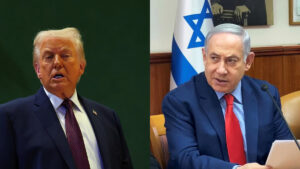
Earlier in the day, President Trump spoke directly to reporters in Washington. He said Iran had stopped killing protesters. He also said authorities had shelved the planned executions. His remarks followed days of warnings and heightened fears of escalation between Washington and Tehran.
Trump pointed to growing global concern over individual cases. One such case involved 26-year-old protester Erfan Soltani. Security forces detained him less than a week ago. Reports suggested authorities planned to execute him quickly. His family later said officials postponed the execution. Iranian state broadcaster IRIB claimed courts had not sentenced him to death.
Trump said briefings confirmed a pause in both executions and killings. He told reporters that the issue had dominated discussions for days. He added that the administration would continue to apply pressure to protect protesters.
However, Iranian officials pushed back on the U.S. narrative. Foreign Minister Abbas Araghchi denied plans to carry out executions by hanging. Speaking in a television interview, he said no such plan existed. He described reports of hangings as false and unacceptable.
Iran has historically used hanging as a method of execution. That history has fueled skepticism among rights groups and foreign governments. Protest movements inside Iran have often faced swift and harsh punishment.
The protests erupted over economic hardship, political repression, and social restrictions. Demonstrations spread across cities and towns. Security forces responded with force, according to activists and international monitors.
For now, the White House views the halt in executions as a direct result of U.S. pressure. Officials say they will judge Iran by actions, not words. They also say the situation remains fluid.
As tensions continue, Washington has made its position clear. The administration wants Iran to stop executions, end violence against protesters, and respect basic rights. Whether the pause holds may shape the next phase of U.S.-Iran relations.