Iran death toll crosses 2,500 as protests rage; Trump promises help and warns Tehran
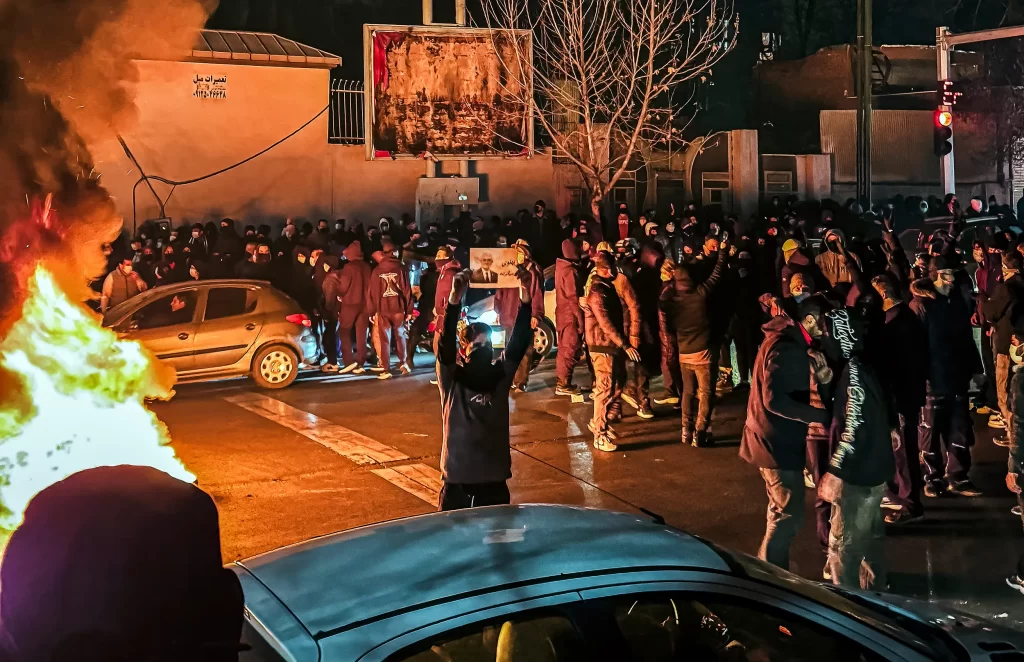
Tensions in Iran continue to rise as nationwide protests turn deadlier by the day. Activist groups now report more than 2,500 deaths across the country. The unrest has triggered sharp reactions from the United States, Europe, and the United Nations. At the center of the storm stands US President Donald Trump, who has openly warned Iran’s leadership and promised support to protesters.
First, the death toll keeps climbing. The US-based Human Rights Activists News Agency says at least 2,571 people have died since protests erupted. The group tracks casualties through local networks and family reports. Meanwhile, Iranian state television acknowledged heavy losses. It described the dead as “martyrs” and blamed armed and terrorist groups for the violence. Ahmad Mousavi of the Martyrs Foundation echoed that line and defended the state’s response.
At the same time, communication restrictions remain tight. Iranian authorities eased some controls and allowed outbound international phone calls after days of isolation. However, people outside Iran still cannot call into the country. SMS services remain shut. Internet users inside Iran still cannot access global platforms. They can only reach government-approved websites. As a result, information continues to flow out in fragments.
Against this backdrop, Trump stepped up his rhetoric. On Tuesday, he urged Iranians to continue protesting. He asked them to take over state institutions. He also claimed he had canceled all meetings with Iranian officials. He tied that decision directly to the killing of protesters. In a Truth Social post, Trump declared that “help is on its way” and warned that those responsible would “pay a big price.”
Next, Trump issued a direct warning over executions. He said the United States would take “very strong action” if Iran hangs protesters. He made that statement during a television interview. He added that he wants to win and framed US pressure as part of that goal. Separately, he said he consulted his national security team to assess the scale of the killings. He described the situation as serious and accused Tehran of behaving badly. He also urged Iran’s leaders to show humanity.
In response, Iran lashed out at Washington. Tehran accused Trump of inciting unrest and threatening national security. Iran’s UN ambassador, Amir Saeid Iravani, sent a letter to the UN Security Council. He blamed the United States and Israel for civilian deaths, especially among young people. He accused both countries of destabilization and interference.
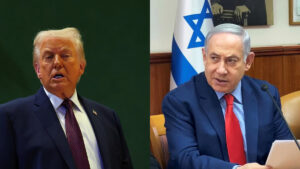
Moreover, Iranian officials escalated their language. Ali Larijani, secretary of Iran’s Supreme National Security Council, named Trump and Israeli Prime Minister Benjamin Netanyahu as the “main killers” of Iranian civilians. He posted that claim publicly on social media. Iran’s UN mission also accused Washington of seeking a pretext for military intervention. It said US policy relies on sanctions, threats, and engineered chaos. It vowed that this strategy would fail.
Meanwhile, diplomatic pressure on Iran continues to build. Several European countries have summoned Iranian ambassadors. Finland led the move after Iran restricted internet access. Finnish Foreign Minister Elina Valtonen said the shutdown enables repression in silence. She called that approach unacceptable. She also said Finland would work with the European Union to support Iranian freedoms.
The Netherlands followed quickly. Dutch Foreign Minister David van Weel summoned Iran’s ambassador to protest excessive force, mass arrests, and the internet blackout. France took similar action. French Foreign Minister Jean-Noel Barrot described the crackdown as intolerable and inhumane. Germany also summoned the Iranian ambassador in Berlin and demanded an end to violence against protesters.
In addition, sanctions now loom larger. The United Kingdom announced plans for broader sanctions targeting Iran’s finance, energy, and transport sectors. UK Foreign Secretary Yvette Cooper said the measures respond directly to Tehran’s actions. The European Union echoed that stance. European Commission President Ursula von der Leyen confirmed new sanctions against Iranian officials. She condemned the rising casualties and restrictions on freedom.
Finally, the United Nations weighed in. UN human rights chief Volker Türk urged Iranian authorities to stop the violence immediately. He criticized the practice of labeling protesters as terrorists. He stressed that Iranians hold the right to protest peacefully. He also said authorities must address public grievances instead of crushing them.
As protests continue, Iran faces growing isolation. International anger mounts. Domestic unrest deepens. For now, the standoff shows no sign of easing.