
India’s coal power sees first annual drop in 50 years amid renewable surge
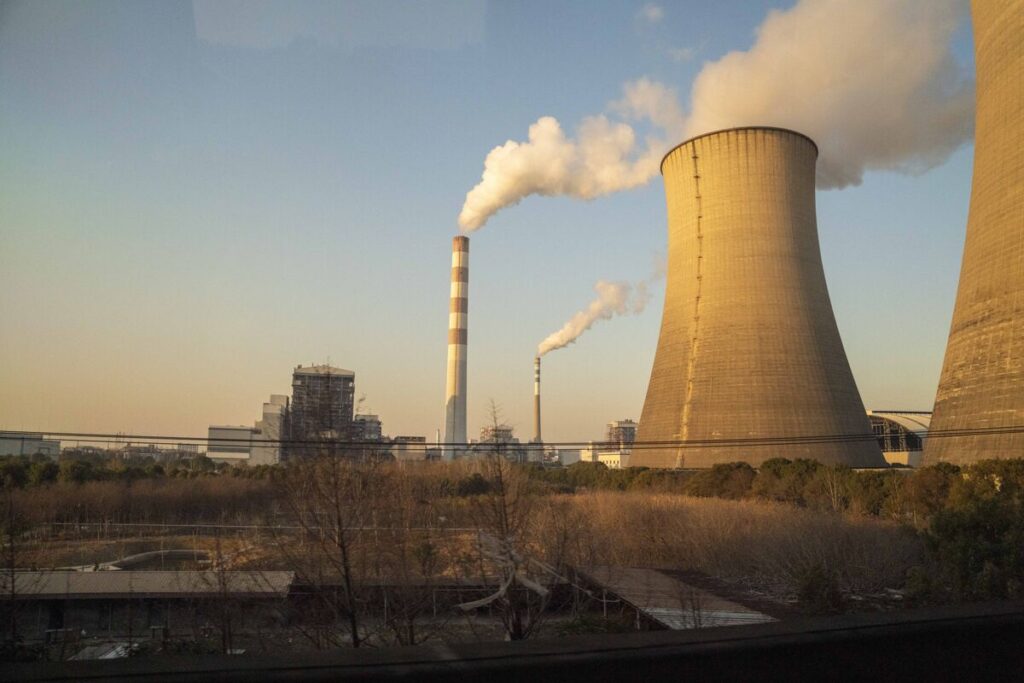
New Delhi – For the first time in 50 years, India’s coal-fired electricity generation fell year-on-year in 2025. According to a study by the Centre for Research on Energy and Clean Air (CREA), coal plants produced 1,283 billion units of electricity, down 3% from 1,322 billion units in 2024. Despite this decline, overall power generation grew about 1% as renewable energy expanded rapidly.
CREA noted that the downward trend in coal growth had been emerging for years. In 2024, coal generation grew only 5%, compared with 15% in 2023. Experts said the previous slowdown in 2022 was linked to lower industrial activity during the COVID pandemic.
The report highlighted that rising renewable energy output played a key role in the decline. Renewable sources generated 270 billion units, up 22% from 221 billion units in 2024. Large hydro power also grew by 15%, producing 180 billion units compared to 157 billion units in the previous year. Additionally, milder summer temperatures and slower growth in electricity demand contributed to the drop in coal generation.
CREA pointed out that India added 41 GW of new renewable capacity in the first 11 months of 2025. Analysts now suggest India may need fewer new coal plants for 2030. They argue that the existing coal fleet, combined with ongoing construction and the renewable pipeline, can meet peak demand without additional coal capacity. Renewables are increasingly supporting peak-hour supply, reducing dependence on coal.
The study also emphasized climate implications. CREA had earlier reported a decline in India’s power sector carbon dioxide emissions during the first half of 2025, marking the first time emissions fell in any half-year period. India’s power sector contributes about 40% of the country’s greenhouse gas emissions.
China, the world’s largest emitter, also saw coal generation drop in 2025. CREA found that coal-based electricity in China fell 1.6% from 2024, marking its first annual decline in five decades. China has committed to reducing emissions by 7-10% from a peak level by 2035, signaling a shift in global energy trends.
Experts noted that changes in India and China could reshape global emissions. Between 2015 and 2024, the power sectors of these two countries drove 93% of the rise in global CO2 emissions. CREA’s findings suggest that both nations now have the conditions to peak coal-fired power generation.
Analysts warn that this transition will have major international effects. As India and China expand clean energy capacity, global reliance on coal may shrink, reducing emissions and creating new opportunities for renewable development.
The study concludes that India’s coal fleet no longer drives growth in electricity output, while renewables continue to play a growing and stabilizing role in the national grid.