Pakistan’s constitutional changes expose gaps after Operation Sindoor: CDS Anil Chauhan
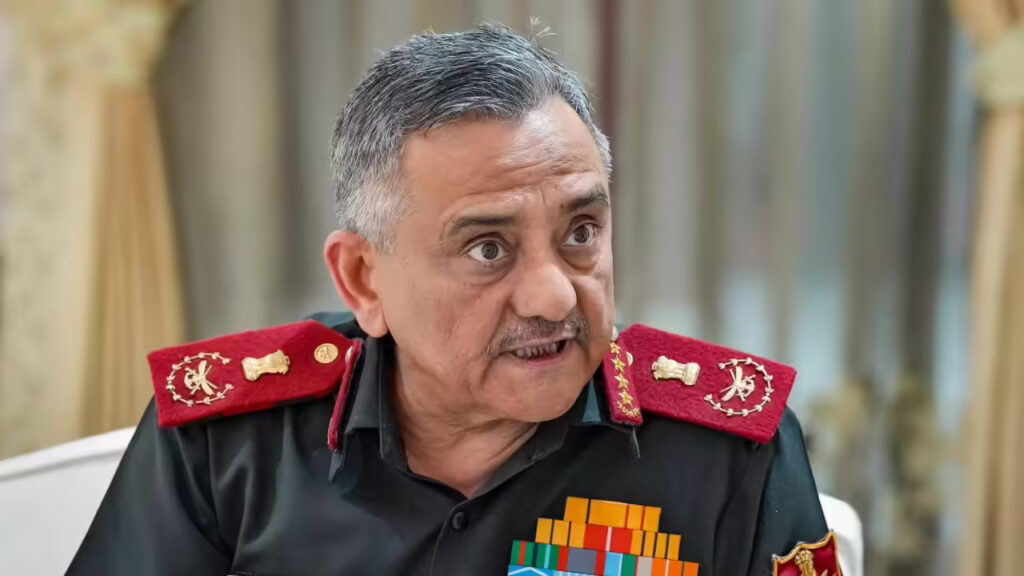
New Delhi – Pakistan’s recent constitutional amendments reveal the shortcomings it faced during Operation Sindoor, Chief of Defence Staff General Anil Chauhan said on Friday. He argued that Islamabad rushed these changes to fix flaws exposed during the operation. He made these remarks while addressing the Pune Public Policy Festival.
First, General Chauhan linked the amendments directly to operational stress. He said Pakistan struggled during Operation Sindoor. Therefore, its leadership moved quickly to restructure the defence system. According to him, these steps signal an admission that plans did not work as expected. He stressed that successful systems do not need hurried fixes.
Next, he explained the key constitutional shift. Pakistan amended Article 243 of its Constitution. As a result, it altered the top defence structure. Islamabad removed the post of Chairman, Joint Chiefs of Staff Committee. That role earlier aimed to ensure coordination among the Army, Navy, and Air Force. Instead, Pakistan created a new post called the Chief of Defence Forces, or CDF.
However, General Chauhan flagged a major concern. He said the Army Chief alone can create this post. Therefore, the structure weakens the idea of jointness. He noted that true joint command needs equal service participation. In contrast, Pakistan’s model concentrates authority in one office.
Then, he outlined other changes. Pakistan set up a National Strategy Command. It also created an Army Rocket Forces Command. These steps, he said, may boost conventional and strategic strength. Yet, they also centralise power further. He described this as a land-centric approach that places the Army at the core of all decisions.
General Chauhan added that the Army Chief now controls land operations, joint operations, and strategic forces. He also oversees nuclear responsibilities through the new structure. According to him, this wide concentration of roles reflects the lessons Pakistan drew from recent pressure points.
Meanwhile, the CDS shifted focus to India’s own learning curve. He said India has studied multiple operations carefully. These include Operation Sindoor, the Uri surgical strikes, the Doklam and Galwan standoffs, and the Balakot air strike. Each event, he said, highlighted the need for smoother command integration.
Therefore, India has pushed ahead with reforms. General Chauhan said the armed forces aim to standardise command structures across all scenarios. He referred to the proposed joint theatre commands. Although the Union government extended the deadline to May 30, 2026, he said the forces plan to complete much earlier.
He also clarified India’s approach to strategic forces. He said these mainly cover nuclear capabilities. India, he stressed, focuses on flexibility with clarity. The goal remains fast response without confusion across services.
Finally, General Chauhan sent a clear message. He said Operation Sindoor has not ended. Instead, it stands paused. He added that every pause allows deeper preparation. India continues to refine planning, command, and coordination based on real-world lessons.
In conclusion, the CDS suggested that Pakistan’s rushed amendments reflect stress, not strength. At the same time, he said India prefers steady reform rooted in experience. According to him, strong systems evolve through learning, not panic.