“Death to the Dictator” echoes across Iran as fresh protests challenge Islamic Republic
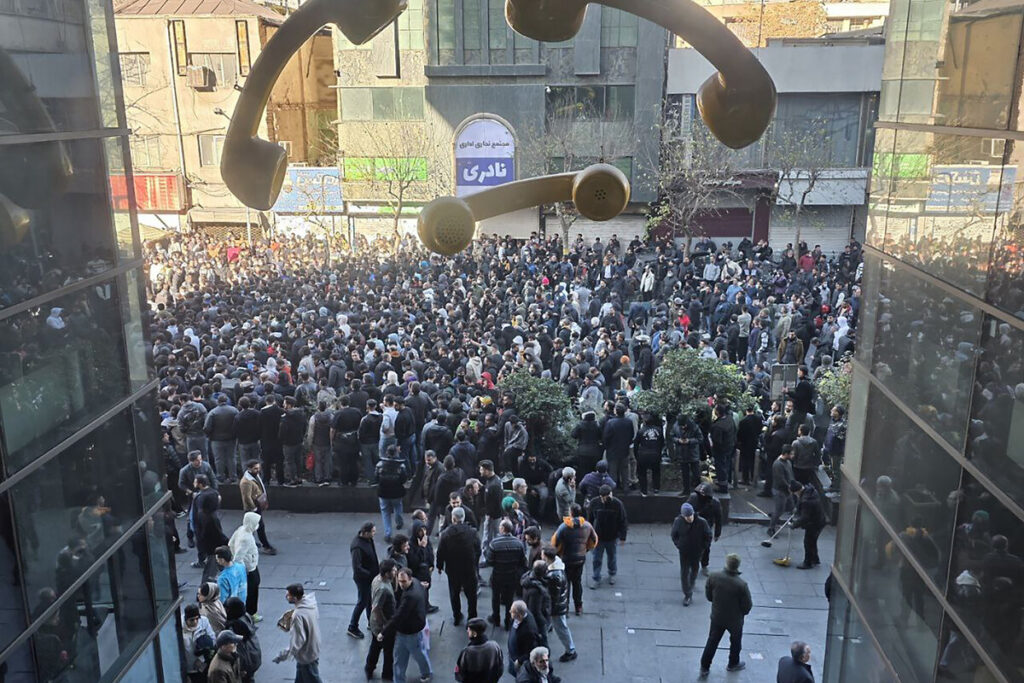
Fresh protests erupted across Iran as anger against the Islamic Republic spilled onto the streets. Demonstrators in Tehran and other cities chanted openly against Supreme Leader Ayatollah Ali Khamenei. They blamed the regime for economic collapse, rising prices, and years of repression. The unrest marked the most intense wave of protests in three years.
On Thursday night, neighborhoods across Tehran came alive with slogans. Protesters shouted “Death to the dictator” and “Death to the Islamic Republic.” They also raised calls for freedom. Many defied years of fear and repression to voice their anger in public.
Meanwhile, the government reacted swiftly. Authorities cut internet access nationwide. They also blocked international phone calls. The shutdown began as demonstrations grew after sunset. In addition, senior judicial and security officials warned of harsh consequences for protesters.
The protests appeared to follow a call from exiled Crown Prince Reza Pahlavi. He urged Iranians to gather at 8 pm local time on Thursday and Friday. As clocks struck eight, chants erupted across multiple districts. Witnesses reported thousands on the streets before communications went dark.
Some protesters praised Iran’s former monarchy. They shouted slogans in support of the shah. Cries of “This is the last battle” and “Pahlavi will return” rang out in several areas. Such chants once carried the risk of execution. Now, they underline the depth of public rage.
Soon after the blackout, Pahlavi issued a statement. He said Iranians demanded freedom and received isolation in return. He accused the regime of silencing voices by cutting the internet and landlines. He also warned that authorities might jam satellite signals next.
Pahlavi then appealed to the international community. He urged European leaders to stand with US President Donald Trump. He asked them to hold Iran’s rulers accountable. He also called for technical and diplomatic efforts to restore communication inside Iran.
At the same time, protests spread beyond Tehran. Demonstrations appeared in cities and rural towns alike. Markets and bazaars shut down in solidarity. Shopkeepers lowered shutters to signal dissent. Streets echoed with chants against the ruling clerics.
Human rights groups reported a rising toll. At least 42 people died during recent unrest. Security forces detained more than 2,270 people. Activists warned that the real numbers could run higher due to the blackout.
Pressure now mounts on Iran’s civilian government and its supreme leader. Internet monitoring groups confirmed the shutdown. Cloudflare and NetBlocks both attributed the outage to state interference. Calls from abroad failed to connect. Past outages often preceded violent crackdowns.
Despite the scale, the protests lack a clear leader. Analysts note that earlier uprisings failed due to this gap. Experts say Iran’s security apparatus has crushed potential leaders through arrests and exile. As a result, the movement remains decentralized and unpredictable.
The roots of the unrest lie in the economy. Protests began last month in Tehran’s Grand Bazaar. Shopkeepers protested the collapse of the rial. Since then, anger spread nationwide. Inflation soared. Jobs disappeared. Living costs surged.
Official data shows inflation reached 52 percent in December. The currency hit a historic low. One US dollar now costs about 1.4 million rials. Many families struggle to afford food and fuel. Frustration runs deep.
Iranian officials admit economic pain. However, they blame foreign networks for stirring unrest. They accuse outside powers of exploiting hardship. Protesters reject that claim and point to corruption and mismanagement.
President Masoud Pezeshkian has tried to calm tensions. He acknowledged “legitimate demands.” He promised steps to improve livelihoods. Yet he also admitted limited power over the collapsing currency. His words failed to slow the protests.
Security agencies, meanwhile, prepared for confrontation. A hardline newspaper claimed forces would use drones to identify protesters. State media reported attacks on security personnel. Several officers died in separate incidents across provinces.
Iran has faced repeated protest waves in recent years. Sanctions tightened. A recent conflict worsened economic stress. Each shock weakened public patience. The current movement reflects accumulated anger rather than a single trigger.
So far, authorities have not unleashed full-scale repression. Observers remain uncertain why. Some see caution. Others expect a crackdown soon.
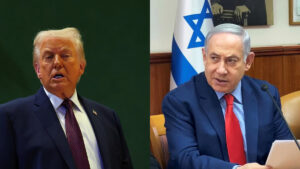
Outside Iran, Washington watched closely. President Trump issued a sharp warning. He said Iran would face severe consequences if it killed peaceful protesters. He vowed support if violence escalated.
Trump declined to say whether he would meet Reza Pahlavi. He said events should unfold naturally. He suggested new leaders might emerge from the turmoil.
For now, chants continue to echo in Iran’s streets. Protesters demand change despite risks. The regime faces a growing test. The outcome remains uncertain.