Trump doubles down on Greenland, cites security stakes and great-power pressures
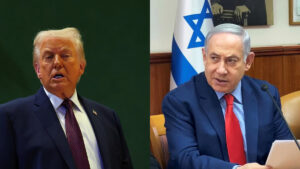
Donald Trump pushes the Greenland debate forward again. He speaks to reporters aboard Air Force One. He says the United States needs Greenland for national security. He links the island to global rivalry. He points to Russia and China. He claims both countries expand their reach in the Arctic. He argues that America must not fall behind.
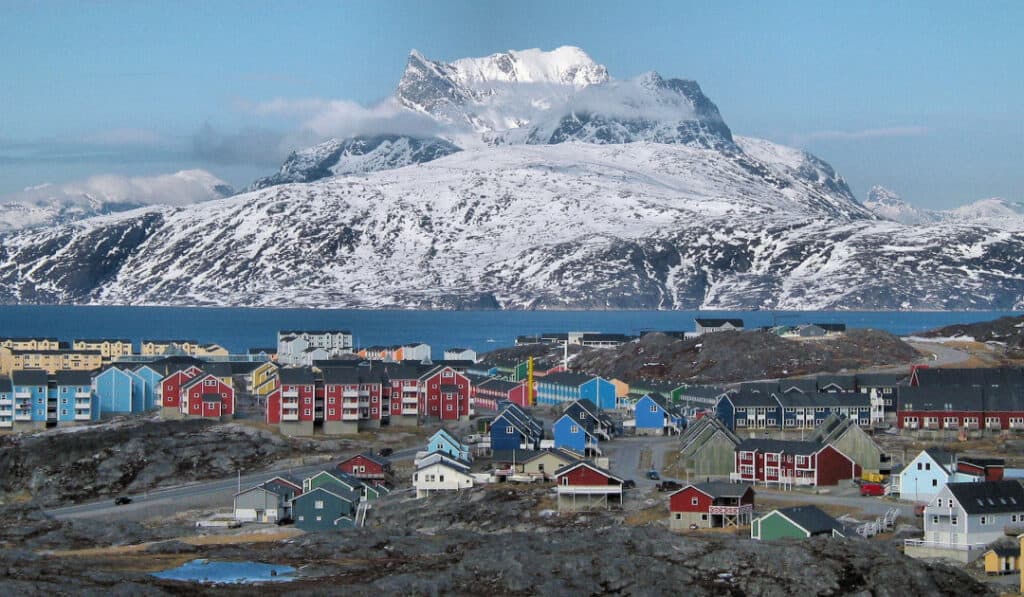
Trump calls Greenland strategic. He says the territory anchors shipping lanes. He says it supports missile warning systems. He also says it strengthens America’s northern shield. Then he adds a political note. He says allies respect strength. He says strength flows from geography, bases, and resources.
However, Danish Prime Minister Mette Frederiksen urges restraint. She asks Trump to stop talking about takeover ideas. She reminds him that Greenland belongs to the Danish realm. She stresses that the people there decide their future. She frames the issue as dignity, sovereignty, and trust. She also warns that harsh rhetoric strains a close alliance.
Greenland’s leaders echo that tone. They acknowledge security cooperation with Washington. Yet they reject any talk of sale or annexation. They say the island seeks prosperity with self-rule. They say partnership requires respect. They highlight climate, fisheries, and infrastructure as shared priorities. They also highlight Indigenous rights and local consent.
Earlier, Trump voiced a similar desire during a magazine interview. He linked Greenland to defense. He drew comparisons to earlier U.S. expansions. Critics pushed back quickly. They argued that history moved on. They also argued that modern diplomacy values consent over force. Supporters countered that competition demands bold plans. They say rivals move fast in the Arctic. They cite rising traffic, new ports, and resource mapping.
Meanwhile, events in Latin America sharpen the debate. U.S. special units mounted a nighttime mission in Venezuela. They seized Nicolás Maduro and his wife. They flew both to New York for trial on drug-trafficking charges. The operation jolted many capitals. Some analysts fear copy-cat actions elsewhere. Others say the case follows a legal path. Either way, the timing fuels anxiety around Greenland. Leaders there worry about coercion and escalation. They seek clarity from Washington.
Greenland’s Prime Minister Jens-Frederik Nielsen speaks out. He calls the Venezuela comparison unfair. He calls it disrespectful to his people. He says Greenland values cooperation, not intimidation. He also invites dialogue. He says honest talks reduce suspicion. He urges every side to cool the temperature.
At the same time, U.S. politicians keep visiting Arctic sites. Senator JD Vance toured a remote American base in Greenland. He criticized Denmark for under-investing. He pressed for more funding from Copenhagen. He also pressed for stronger U.S. presence. He framed the Arctic as the next frontier of competition.
Now the question turns to policy. Washington studies new Arctic plans. Copenhagen studies investment gaps. Greenland studies pathways to growth that preserve autonomy. Each capital calculates costs and benefits. Each capital watches the others carefully.
In the end, the argument reaches beyond one island. It touches alliances, climate change, shipping, minerals, and power. Trump keeps the drumbeat going. Denmark defends sovereignty. Greenland demands respect. The world reads every signal. And the Arctic keeps opening, inch by inch, under the pressure of strategy and ice.