
India tightens flight rules, bans power-bank use and pushes stronger battery safety
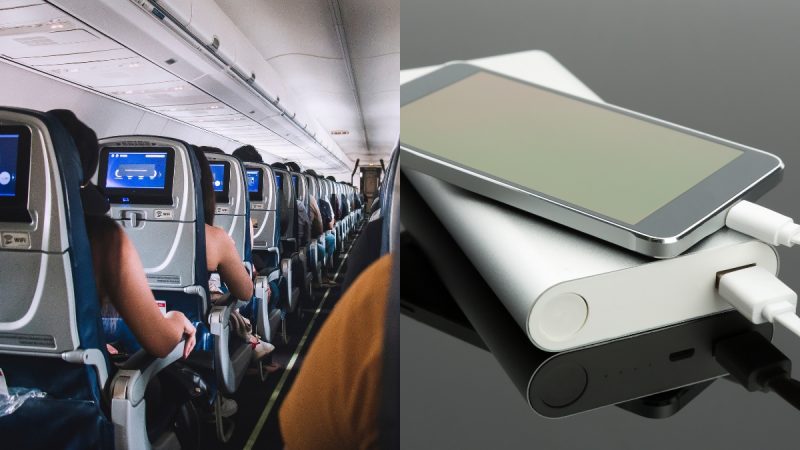
India now tightens in-flight safety rules. The aviation watchdog, DGCA, focuses on lithium batteries. The regulator bars passengers from using power banks to charge phones and gadgets during flights. Airlines must also block charging through seat outlets. The trigger comes from repeated battery overheating and fire incidents around the world.
First, the DGCA sets clear limits. Travelers can carry power banks only in hand luggage. They must keep them within reach. They cannot dump them in overhead bins. Crew members need quick access during emergencies. Fires spread fast. Early action saves lives.
Now, the background. Lithium batteries power almost every modern device. Phones, tablets, earbuds, cameras, and power banks travel everywhere. However, faulty cells heat up. Damaged units ignite. Aging batteries spark. Once flames rise, they feed on themselves. Normal fire tools struggle to stop them.
The DGCA highlights the danger. Crews miss hidden smoke in closed bins. Passengers fail to notice early signs. Heat builds. The cabin fills. Risk multiplies. Therefore, the regulator demands vigilance.
Next, the regulator turns to airlines. Each airline must review its own safety plan. Teams must track battery risks at every stage of travel. They must block risky devices before boarding. They must detect smoke fast inside the cabin. Then they must fight the fire with proper tools.
Training becomes the second pillar. Crews must identify overheating and swelling. They must recognize smoke and sparks. They must grab the correct extinguishers. They must protect themselves from fumes. Practice creates confidence. Confidence saves seconds.
The DGCA also stresses communication. Airlines must inform passengers on every flight. Announcements must tell travelers to report heat, smoke, or strange smells at once. Crew members need honest reports, not hesitation. Airlines must document every battery incident and update the regulator without delay.
Airports also join the effort. Operators now display warning videos and signage at entrances, check-in counters, security lines, and boarding gates. Staff members guide travelers. Teams discourage last-minute charging at terminals. Awareness shapes safer behavior.
Rising incidents pushed this clampdown. Global aviation bodies report multiple cabin fires linked to lithium batteries. Many flights halted taxiing after sudden smoke. Others diverted. Crews fought flames mid-air. Each incident created risk for hundreds of people.
India now aligns with global practice. Several major airlines, including carriers in West Asia and Southeast Asia, already enforce tight controls. Their experience shows one trend: stronger discipline lowers risk.
Recent episodes inside India reinforced urgency. A power bank caught fire on a domestic aircraft while it taxied in Delhi. Crew members reacted fast and protected everyone. Yet the scare highlighted the stakes. In another case in South Korea, investigators traced a fire to a damaged power-bank battery.
So, the message becomes simple. Carry power banks only in hand luggage. Keep them visible. Stop charging them on board. Report any heat or smoke instantly. Trust trained crews. Respect the process.
In the end, safety depends on shared responsibility. Regulators set rules. Airlines enforce procedures. Crews train. Passengers cooperate. Together, they keep flights calm, controlled, and safer in the age of rechargeable devices.