Ruling bloc facesheat as 68 candidates win unopposed in Maharashtra local polls
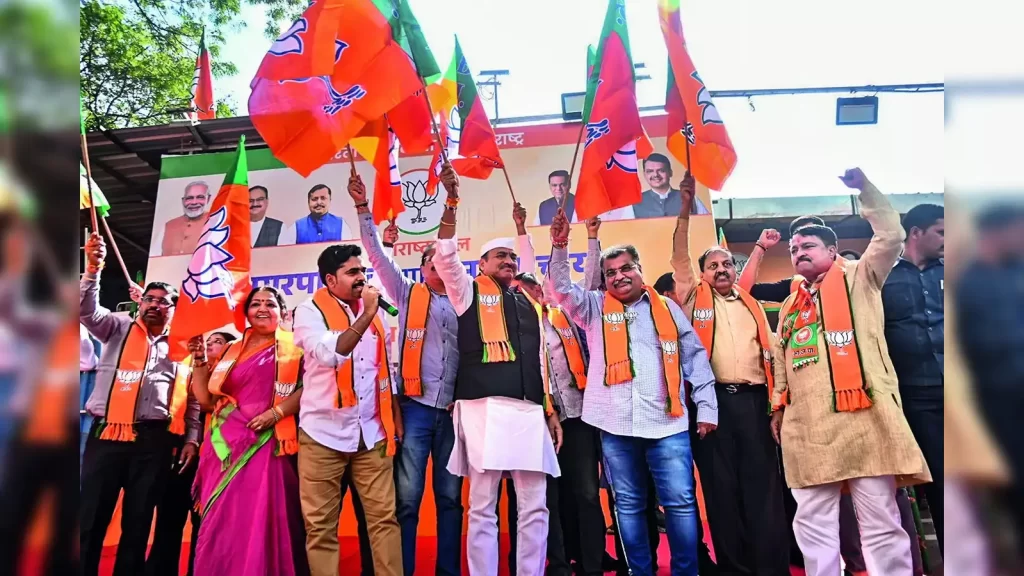
Maharashtra moves into a tense civic election season. The Mahayuti alliance — BJP, Shiv Sena, and NCP — tightens its grip. Meanwhile, opposition parties raise alarm. They claim pressure. They claim inducements. They claim unfair play.
The numbers tell the story. Forty-four BJP candidates enter the race. Twenty-two Shiv Sena candidates follow. Two NCP nominees join them. One candidate from the Islam Party in Malegaon also stands alone. Altogether, 69 candidates face no rivals. The figure emerges on the final day for withdrawal of nominations.
Now, the contest still covers 2,869 seats. Yet pockets across the state show no competition. Therefore, concerns grow. Political temperature rises.
Opposition leaders accuse the ruling coalition of intimidation. They speak about threats. They speak about cash offers. They argue that rivals stepped away under pressure. They demand accountability. They demand answers.
The State Election Commission reacts quickly. It orders scrutiny. It asks returning officers to hold back announcements in these wards. Investigators begin their review. The Commission seeks clarity. It seeks confidence in the process.
Meanwhile, the race turns complex across cities. Allies confront each other in some places. Old rivals share space as partners in others. Voters now face unusual matchups. The stakes climb sharply.
Kalyan-Dombivli records the highest count of unopposed seats: 22. BJP president Ravindra Chavan calls the city home. Jalgaon follows with 12 seats. Water resources minister Girish Mahajan holds sway there. These numbers trigger debate. Critics see patterns. Supporters claim strength.
In KDMC, the BJP fields 15 uncontested candidates. The Shiv Sena adds seven more. In Panvel, six BJP hopefuls move forward without rivals after withdrawals. In Pune, two BJP aspirants — Manjusha Nagpure and Shrikant Jagtap — advance freely. Again, opposition contenders step aside. Consequently, suspicion spreads.
The Uddhav Thackeray faction responds with caution. Leaders shift some candidates to safer areas. They cite fear. They cite attempts at inducement. Aaditya Thackeray accuses the ruling alliance of force. He talks about misuse of money. Sanjay Raut echoes the charge. He mentions undue pressure on officials during nominations.
Congress chief Harshavardhan Sakpal joins the chorus. He points to repeated complaints. He says voters expect fairness. He warns about the credibility of the polls.
However, the BJP pushes back. Party spokesperson Keshav Upadhye rejects every allegation. He says rivals pulled out because they sensed defeat. He links withdrawals to the government’s popularity. He cites strong ground strategy. He argues that modern systems ensure transparency. According to him, critics simply mask poor organization.
The Election Commission extends the inquiry further. Three state authorities now examine the wards. Returning officers submit notes. Municipal commissioners and police commissioners prepare their inputs. Officials track each withdrawal. They look for coercion. They look for inducements. They look for truth.
At the same time, analysts highlight the unusual nature of the polls. The last civic cycle unfolded city by city. Therefore, comparisons prove difficult. Still, everyone watches this round closely.
Ultimately, Maharashtra stands at a crossroads. The ruling bloc claims confidence. The opposition calls foul. Meanwhile, institutions promise scrutiny. Voters expect clarity. Soon, the ballots will decide. The outcome will shape alliances, trust, and the road ahead.